 listicle
Signs Your HVAC Needs Emergency Inspection
Table of Contents
- What Qualifies as an HVAC Emergency
- Unusual Noises and Mechanical Failures
- Burning Smell from HVAC System and Other Odor Warnings
- Water Leaks, Moisture, and Refrigerant Damage
- Complete Loss of Heating or Cooling
- HVAC Inspection Checklist: What to Document Before You Call
- How Long Does an HVAC Inspection Take and What to Expect
- Safe Actions to Take While Waiting for Emergency Service
- Frequently Asked Questions
Last Updated: October 10, 2026
What Qualifies as an HVAC Emergency
An HVAC emergency is any situation where your heating or cooling system has failed completely, poses a safety risk, or is producing warning signs that demand immediate professional attention. We define true emergencies as conditions requiring same-day inspection and repair to prevent property damage, health risks, or system collapse.
Not every HVAC problem is an emergency. A refrigerant leak that's developing slowly, for example, differs from a gas leak that poses immediate danger. The distinction matters because it affects how quickly you need to act and what safety precautions apply while you wait for help.
True emergencies include complete system failure during extreme temperatures, unusual burning smells suggesting electrical or mechanical failure, water pooling near your equipment, and any sign of a refrigerant leak. These conditions warrant emergency inspection and repair. Routine issues like weak airflow, uneven temperatures, or rising energy bills still need professional attention, but they're typically not life-threatening and can often wait for a scheduled appointment.
Unusual Noises and Mechanical Failures
Your HVAC system should run quietly. Loud, unexpected sounds are among the clearest warning signs your HVAC needs emergency inspection.
Banging or clanking noises usually mean loose or broken internal parts. A compressor hitting its housing, a fan blade striking the casing, or a mounting bracket that's come loose can all produce these sounds. Left unchecked, loose parts can cause catastrophic failure within hours or days. If you hear banging or clanking, shut the system off and call for emergency service immediately.
Squealing or high-pitched sounds typically point to motor issues. Fan motors, compressor motors, and blower motors all rely on bearings. When bearings wear out or lack lubrication, they squeal. A squealing sound often precedes motor failure by days or weeks, but the window is narrow. This is a prompt-service situation, not necessarily a wait-and-see one.
Rattling differs from banging. Rattling is usually less severe, a loose bolt, a vibrating panel, or debris inside the unit. While rattling is annoying, it's often less urgent than banking. Still, have it inspected during a routine service call within the week to prevent escalation.
Grinding sounds are among the most serious. Grinding suggests metal-on-metal contact inside the compressor or fan assembly. This indicates imminent mechanical failure. If your system is grinding, stop using it and request emergency inspection.
Burning Smell from HVAC System and Other Odor Warnings
Unusual smells from your HVAC equipment demand immediate attention. Your nose is often your first warning system.
A burning smell is the most urgent odor sign. It can indicate electrical problems, overheated components, or insulation breakdown inside the unit. Burning smells sometimes precede fires or electrical failures. If you detect burning, shut the system off, open windows for ventilation, and call for emergency inspection. Do not ignore this.
A musty or moldy odor usually points to moisture accumulation inside the ducts or equipment. This suggests a refrigerant leak, condensation buildup, or microbial growth. While not always an immediate safety hazard, mold and moisture cause health problems and system deterioration. Schedule professional inspection within 24 hours.
A rotten egg or sulfur smell is a serious warning. This odor often indicates a gas leak. Natural gas is odorless; utility companies add mercaptan (the rotten egg smell) so leaks are detectable. If you smell rotten eggs near your HVAC system, evacuate the building, call your gas utility's emergency line, and do not re-enter until the utility has cleared the area. This is a genuine emergency requiring immediate professional response.
A chemical or refrigerant smell suggests a refrigerant leak. Refrigerant has a sweet or chemical odor. Leaking refrigerant is both an environmental concern and a health risk in large concentrations. Request professional inspection the same day if you detect this smell.
Water Leaks, Moisture, and Refrigerant Damage
Water pooling or moisture accumulating near your HVAC equipment is a red flag. Your air conditioning system produces condensation as part of normal operation, but that water should drain away through a condensate line.
Water pooling directly under the unit usually means the condensate line is clogged, kinked, or disconnected. While this doesn't immediately threaten safety, standing water promotes mold growth and can damage your home's foundation or flooring. Schedule service within 24 hours.
Moisture on or inside ductwork, or visible mold growth around vents, suggests a more serious problem. This often indicates a refrigerant leak. When refrigerant escapes, the evaporator coil cannot absorb heat properly, and condensation builds up excessively. Mold and moisture damage follow quickly. Request emergency inspection if you see mold or excessive moisture inside ducts.
A refrigerant leak itself is a compound problem. Refrigerant leaks reduce cooling capacity, force the compressor to work harder, and eventually cause complete system failure. Beyond mechanical damage, refrigerant exposure poses health risks. Some refrigerants can cause dizziness, headaches, and respiratory irritation in high concentrations. If you suspect a refrigerant leak, indicated by reduced cooling, hissing sounds, or chemical odors, request same-day professional inspection.
| Warning Sign | Urgency | Action |
|---|---|---|
| Burning smell | Immediate | Shut off system, call emergency service |
| Water pooling under unit | 24 hours | Schedule professional inspection |
| Rotten egg smell (gas leak) | Immediate | Evacuate, call gas utility |
| Unusual mechanical noises | Same day | Request prompt inspection |
| Mold or excessive moisture | 24 hours | Schedule professional service |
| Refrigerant leak indicators | Same day | Call for emergency inspection |
Complete Loss of Heating or Cooling
Total system failure during extreme temperatures is a genuine emergency. If your air conditioner stops working during a heat wave, or your heating system fails during freezing weather, you face health risks and potential property damage.
Complete loss of cooling in extreme heat can be life-threatening, especially for elderly people, young children, or those with health conditions. Heat exhaustion and heat stroke develop quickly (the CDC). If your AC fails during a heat emergency, request same-day emergency service. While waiting, move to cooler areas of your home, stay hydrated, and use portable cooling solutions if available.
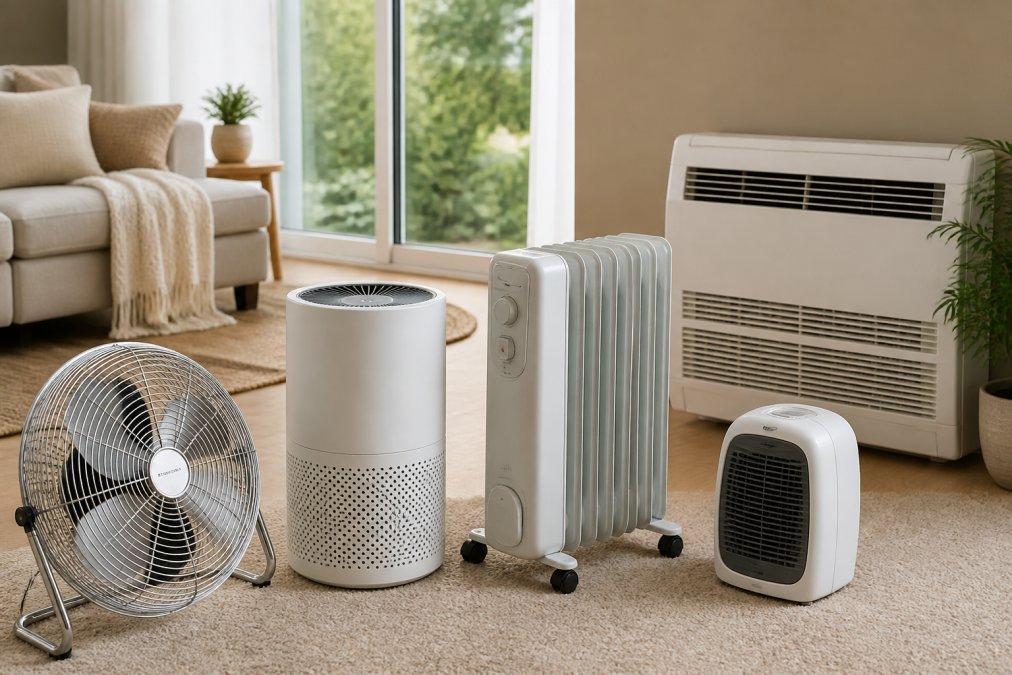
Complete loss of heating in freezing weather poses different risks. Frozen pipes can burst, causing thousands of dollars in water damage. Families without heat face health risks from prolonged cold exposure. If your heating system fails in winter, call for emergency service immediately. While waiting, close off unused rooms, use space heaters safely (following manufacturer guidelines), and keep pipes from freezing by allowing faucets to drip slightly.
A system that cycles on and off repeatedly without maintaining temperature is also failing. This suggests a refrigerant leak, compressor problems, or thermostat malfunction. The system is working but not effectively. This requires prompt service, though it's less urgent than complete failure.
HVAC Inspection Checklist: What to Document Before You Call
Before calling for emergency service, document what you've observed. This information helps the technician diagnose the problem faster and can prevent unnecessary service calls or misdiagnosis.
Note the specific sounds you're hearing. Is it banging, clanking, squealing, grinding, or rattling? When did it start? Does it happen continuously or intermittently? Record these details.
Document any smells. Is it burning, musty, chemical, or rotten egg? When did you first notice it? Is it constant or intermittent? This information is crucial for safety assessment.
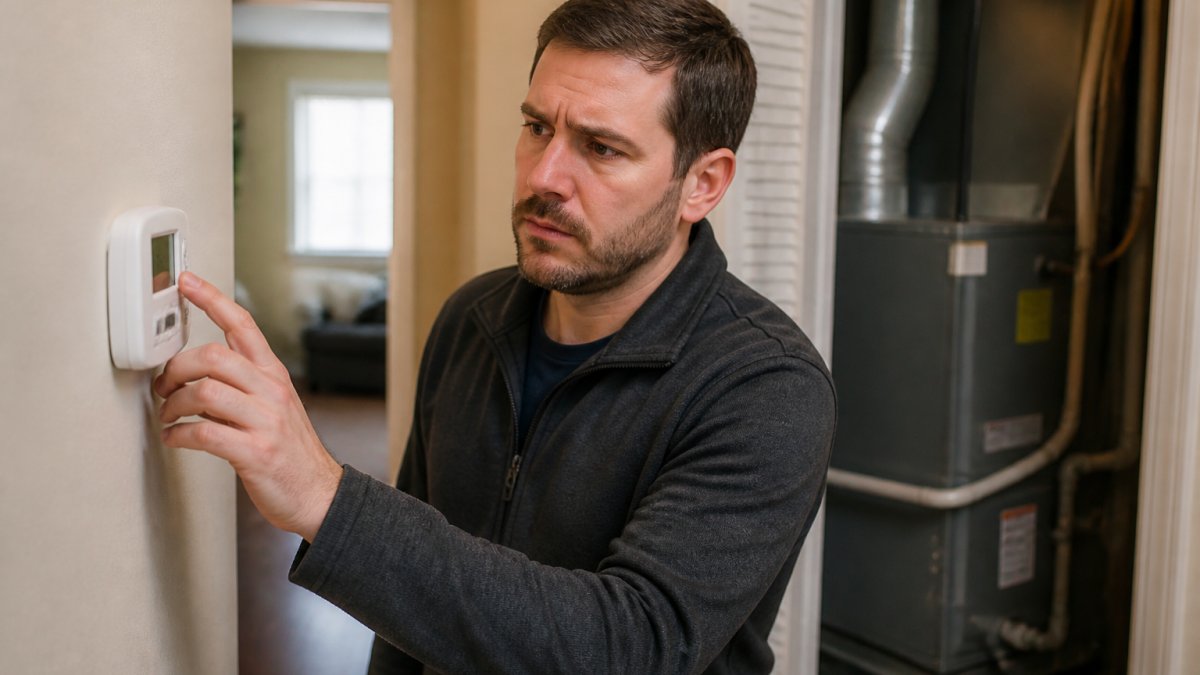
Check your thermostat. What temperature is it set to? What temperature is the system actually maintaining? Is the system running at all, or is it completely unresponsive? Note whether you've adjusted settings and what happened.
Look at your equipment. Is there visible water pooling? Is moisture visible around ducts or vents? Are there any visible cracks, corrosion, or loose components? Take photos if possible.
Note when the problem started. Did it happen suddenly or gradually? Has the system been running poorly for weeks, or did it fail overnight? Gradual decline suggests different problems than sudden failure.
Record your system's age and model if you know it. Older systems are more prone to failure and may be better candidates for replacement than repair.
This information speeds diagnosis and helps the technician determine whether emergency repair or replacement is the better choice.
How Long Does an HVAC Inspection Take and What to Expect
A professional HVAC inspection typically takes 30 to 60 minutes for a standard residential system, though emergency inspections may be faster if the problem is obvious.
The technician will start by listening to the system and asking you to describe what you've observed. This conversation is crucial, your documentation of sounds, smells, and symptoms helps them narrow down the problem. They'll visually inspect the outdoor unit, indoor equipment, ducts, and thermostat.
For a complete inspection, the technician will check refrigerant levels, test electrical connections, measure airflow, and evaluate the compressor and fan motors. They'll inspect condensate lines and drain pans for clogs or leaks. They'll also check your thermostat calibration to ensure it's reading temperature accurately.
An emergency inspection focuses on identifying immediate safety hazards and system failure causes. If a gas leak is suspected, they'll use specialized equipment to detect it. If electrical problems are present, they'll test circuits and components. If mechanical failure is likely, they'll listen closely to the compressor and motors.
After inspection, the technician will explain what they found and recommend repair, replacement, or continued monitoring. We provide free estimates and detailed explanations of findings, so you understand exactly what's wrong and what your options are.
Safe Actions to Take While Waiting for Emergency Service
While you wait for emergency HVAC service to arrive, take steps to protect your health and property.
If you suspect a gas leak (rotten egg smell), do not use any electrical switches or create sparks. Leave the building immediately and call your gas utility's emergency line from outside. Do not re-enter until the utility has confirmed the area is safe.
If the system has failed during extreme heat, move to cooler areas of your home. Close curtains and blinds to block sunlight. Use fans to circulate air.
If heating has failed in cold weather, close off unused rooms to concentrate warmth where people are. Use space heaters safely, keep them away from flammable materials and never leave them unattended. Allow faucets to drip slightly to prevent pipes from freezing.
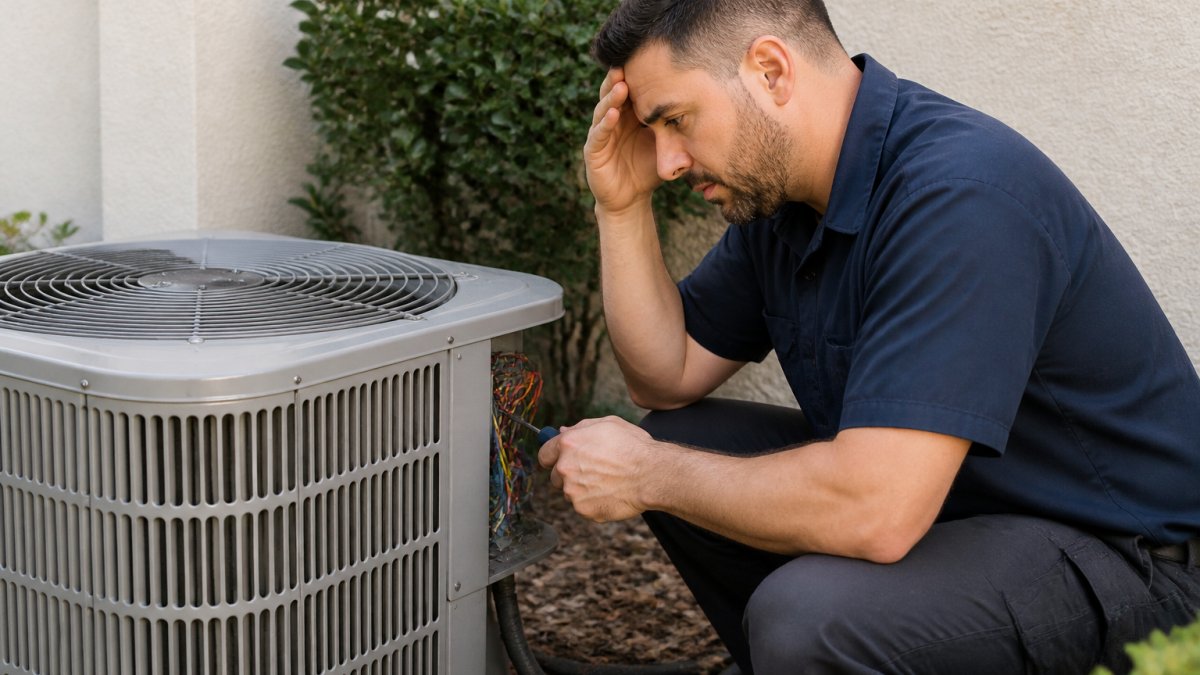
Do not attempt to repair the system yourself. HVAC work involves electrical hazards, refrigerant exposure, and mechanical risks. Improper repair can make problems worse, create safety hazards, and void warranties. Wait for professional help.
If you smell burning but see no visible fire or smoke, turn the system off and open windows. Do not restart it until a technician has cleared it for safe operation.
Keep your thermostat set to your desired temperature so the technician can see what the system is attempting to do. Do not adjust settings repeatedly, this can mask the actual problem.
Air CareSaver offers same-day emergency response for genuine HVAC emergencies. When you call, be ready to describe the sounds, smells, and symptoms you've observed. This information helps us arrive prepared to diagnose and repair your system quickly, restoring your comfort without unnecessary delays.
When your HVAC system shows signs your HVAC needs emergency inspection, the cost of waiting often exceeds the cost of immediate professional service. A small refrigerant leak becomes a compressor failure. A loose part becomes catastrophic mechanical damage.
Frequently Asked Questions
What qualifies as an HVAC emergency?
An HVAC emergency includes complete loss of heating during freezing weather, strong burning or gas smells, visible water leaks near equipment, refrigerant leaks, or system failure in extreme heat affecting vulnerable occupants. Safety hazards like unusual electrical smells or gas odors require immediate professional help. Symptoms like uneven temperatures or rising bills, while concerning, typically warrant prompt service rather than emergency response.
How long does an HVAC inspection take?
A standard HVAC inspection typically takes 1-2 hours. The technician will examine the heating and cooling system, check refrigerant levels, test airflow, inspect electrical connections, and review the thermostat. Emergency inspections may be faster if the focus is identifying immediate safety risks. Your technician will explain findings and recommendations.
Should I turn off my HVAC system if it smells like burning?
Yes. A burning smell from HVAC equipment can signal an electrical problem, overheating motor, or debris in the system. Turn off the system immediately and contact a professional for emergency inspection. Do not restart it until a technician has identified the cause. Continuing to run the system may cause further damage or create a safety risk.
Can a refrigerant leak be an HVAC emergency?
Yes, a refrigerant leak qualifies as an emergency. Signs include reduced cooling capacity, hissing sounds near the outdoor unit, or visible oily residue around equipment. Refrigerant leaks prevent your air conditioner from functioning and can worsen quickly. Professional inspection and repair are necessary to restore cooling and prevent system damage.