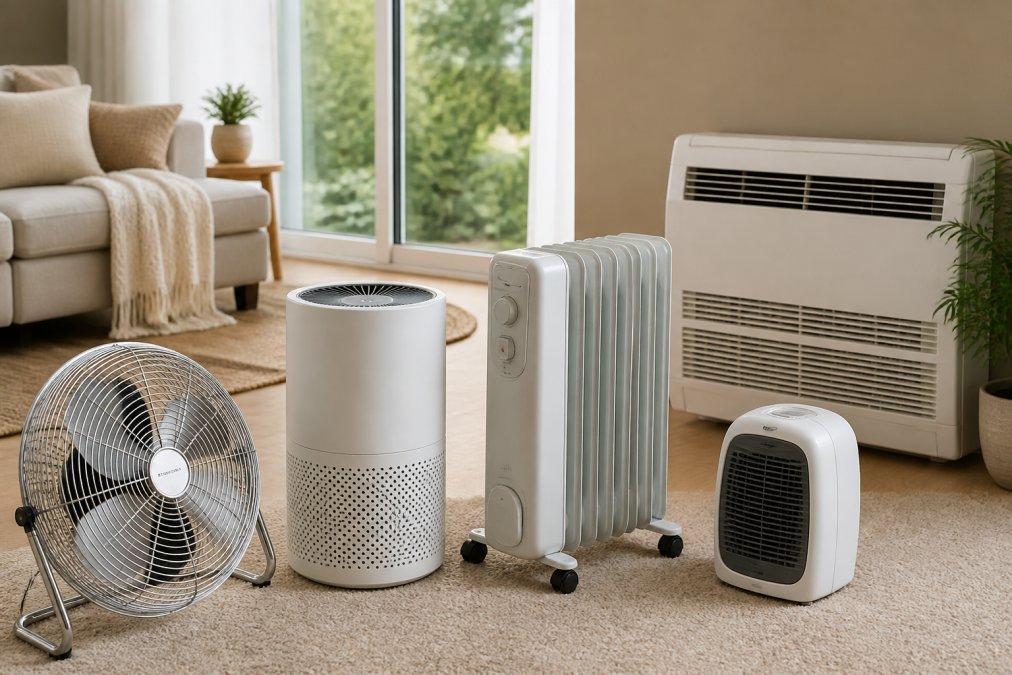
 listicle
HVAC Alternatives for All Temperatures: 2026 Guide
Table of Contents
- Why Homeowners Are Searching for HVAC Alternatives
- Heat Pumps: The Leading HVAC Alternative for All Temperatures
- Ductless Mini-Split Benefits: Zoned Comfort Without Ductwork
- Heat Pump vs Furnace Cost: Which Makes Financial Sense?
- HVAC Replacement Cost Factors: What Drives Your Investment
- Passive Cooling and Mechanical Ventilation: Low-Tech Alternatives
- DIY vs. Professional Installation: What You Need to Know
- Conclusion: Choosing the Right HVAC Alternative for Your Climate
- Frequently Asked Questions
Last Updated: September 19, 2026
Why Homeowners Are Searching for HVAC Alternatives
Rising utility bills and aging equipment are pushing homeowners to look beyond the traditional furnace-and-central-air setup. According to the U.S. Department of Energy's guide to home heating and cooling, heating and cooling account for the largest share of a typical home's energy use, which is why so many people now ask about all temperatures hvac alternatives that hold up in both January cold and August heat.
At Air CareSaver, we field this question weekly from homeowners across the San Gabriel Valley. The short answer: modern heat pumps and ductless mini-splits have closed the cold-weather performance gap that made older alternatives unreliable.
Below, we break down the leading options, real cost factors, and a simple framework for matching a system to your climate.
Heat Pumps: The Leading HVAC Alternative for All Temperatures
A heat pump is an electric system that moves heat rather than generating it, which lets it heat and cool a home with one unit. That reversibility is why it tops nearly every list of hvac alternatives.
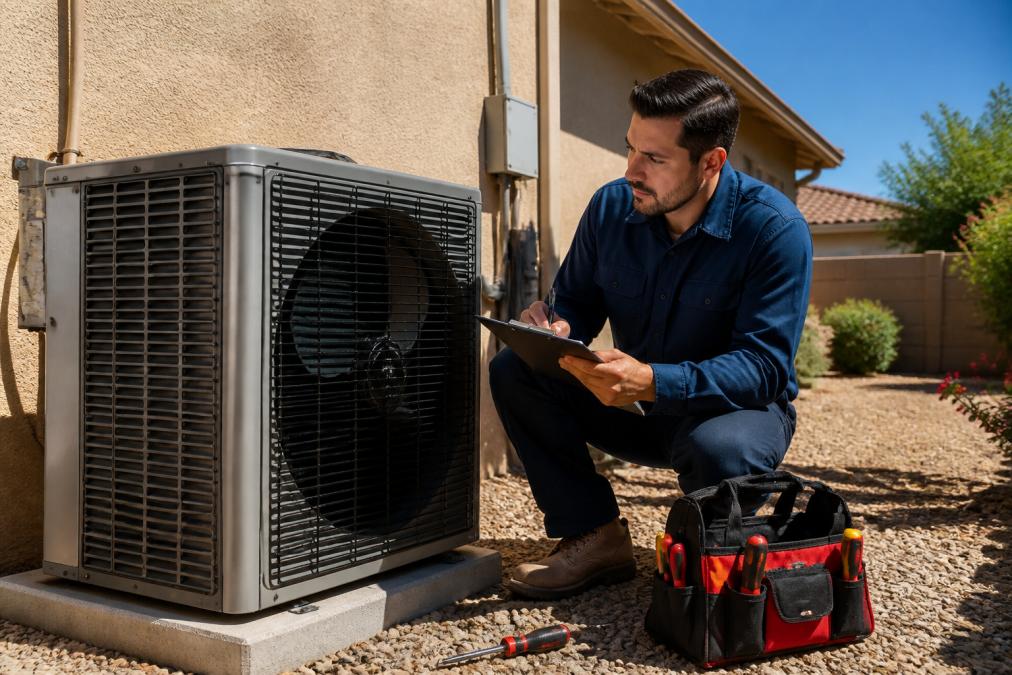
Unlike a furnace that burns fuel, a heat pump uses a refrigerant cycle and a reversing valve to pull warmth from outdoor air in winter and dump indoor heat outside in summer. The U.S. Department of Energy's heat pump overview explains that this transfer process can deliver more heating energy than the electricity it consumes.
How Heat Pumps Perform in Extreme Cold and Heat
Cold-climate models now hold their rated capacity well below freezing, and inverter-driven compressors modulate output instead of switching fully on and off. In practice, this means steadier temperatures and less strain during a heat wave. The trade-off is upfront cost, which we cover next.
Ductless Mini-Split Benefits: Zoned Comfort Without Ductwork
Ductless mini-split benefits start with zoned comfort: each indoor head has its own thermostat, so you heat or cool only the rooms you use. For older homes without ductwork, that avoids the expense and energy loss of running new ducts through walls and attics.
A mini-split also sidesteps duct leakage, a common source of wasted energy in aging systems. The drawback is aesthetic: indoor units are visible, and each zone adds cost. Still, for a single problem room or an addition, few options match the flexibility.
Heat Pump vs Furnace Cost: Which Makes Financial Sense?
The heat pump vs furnace cost comparison depends less on sticker price and more on how you heat. A furnace typically costs less to install, while a heat pump usually costs more upfront but delivers both heating and cooling from one unit.
| Factor | Heat Pump | Furnace |
|---|---|---|
| Upfront cost | Higher | Lower |
| Heating and cooling | Both, one unit | Heating only |
| Fuel source | Electric | Gas or electric |
| Cold-climate performance | Varies by model | Strong in deep cold |
| Long-term efficiency | Generally higher | Lower |
For mild winters, a heat pump often wins on total cost of ownership.
HVAC Replacement Cost Factors: What Drives Your Investment
HVAC replacement cost factors include system size, efficiency tier, ductwork condition, and whether electrical or structural updates are needed. Two homes of the same square footage can land in very different ranges for those reasons, which is why national averages are a poor planning tool.
- Sizing and load calculation. A proper Manual J load calculation determines tonnage and airflow. Oversizing raises equipment cost and shortens life; undersizing leaves rooms uncomfortable. This step is cheap and it anchors everything else.
- Efficiency tier. Within a single product family, moving from a baseline efficiency model to a high-efficiency, inverter-driven model can add meaningful cost while cutting operating energy. The right tier depends on your climate hours and utility rates, not on the marketing label.
- Ductwork condition. Leaky, undersized, or improperly routed ducts can waste a large share of conditioned air. Sealing and balancing are relatively inexpensive; full replacement is not, and it often triggers drywall and attic work.
- Electrical service. Heat pumps and high-efficiency equipment sometimes need a dedicated circuit, a larger panel, or a service upgrade. This is one of the largest hidden swings in older homes.
- Refrigerant line set and drainage. Reusing an existing line set is sometimes possible and sometimes prohibited by the equipment manufacturer. Condensate routing, secondary drain pans, and float switches add cost but prevent water damage.
- Permits, code compliance, and disposal. Most jurisdictions require a permit for equipment replacement, and code may require a manual disconnect, a condensate safety switch, or a brazed-line pressure test. Disposal and refrigerant recovery are line items, not freebies.
- Comfort add-ons. Zoning dampers, smart thermostats, UV or filtration upgrades, and sound blankets each add cost and each has a maintenance implication.
Hybrid Integration: Combining New Equipment With What You Already Have
This is the piece most guides skip. You do not have to rip out a working furnace to get the benefits of a heat pump, and in many homes, a hybrid approach is the better financial move.
Sequencing the Work
The order that protects your budget: load calculation first, then envelope (air sealing, insulation, duct sealing), then equipment. Every dollar spent tightening the envelope reduces the size, and cost, of the equipment you need. Skipping that order is how homeowners end up paying twice.
Passive Cooling and Mechanical Ventilation: Low-Tech Alternatives
Passive cooling and mechanical ventilation reduce how hard a compressor-driven system has to work. They rarely replace a heat pump or furnace outright, but they can shave load, extend equipment life, and improve air quality, especially in homes where the envelope is leaky or the ductwork is undersized.
Climate-Specific Playbook: Humid vs. Dry Heat
Most generic guides treat "hot" as one condition. It is not, and the right passive and ventilation strategy splits sharply by humidity.
When Passive Strategies Work and When They Don't
Passive cooling works best in dry, mild-to-moderate climates with good air circulation and effective shading. It struggles during prolonged heat waves and in humid conditions, where dehumidification becomes essential. Treat passive measures as a complement to, not a replacement for, a properly sized system, and size that system after the envelope work, not before, so you are not paying for capacity the building no longer needs.
DIY vs. Professional Installation: What You Need to Know
DIY vs. professional installation is where most homeowners get stuck. Minor tasks like replacing filters or clearing debris are safe to handle yourself, but refrigerant handling, electrical connections, and load calculations require a licensed technician.
Conclusion: Choosing the Right HVAC Alternative for Your Climate
Matching a system to your climate, budget, and existing infrastructure takes more than a spec sheet. Air CareSaver brings 21+ years of licensed expertise (#1054832), same-day response, and free estimates to every job, with accurate diagnostics that avoid unnecessary parts or guesswork. Our maintenance plans prevent expensive breakdowns before they start. Get started with Air CareSaver and secure year-round comfort for your home or business.
Frequently Asked Questions
What is the $5,000 rule for HVAC replacement?
The $5,000 rule is a common guideline suggesting that if a repair costs more than $5,000 or exceeds one-third of the cost of a new system, replacement may be the better financial choice. However, this is not a hard rule. Factors like system age, efficiency, and repair frequency matter. A licensed technician can help you weigh repair versus replacement based on your specific situation and long-term costs.
What are the most energy-efficient HVAC alternatives to a central system?
Heat pumps, especially ductless mini-splits, are among the most energy-efficient alternatives. They move heat rather than generate it, which can reduce energy consumption significantly compared to traditional furnaces or baseboard heaters. Geothermal systems are also highly efficient but have higher upfront costs. Smart thermostats and zoning can further improve efficiency by matching output to actual room-by-room demand.
Can ductless mini-splits really handle all temperatures?
Modern ductless mini-splits, particularly hyper-heating models, can operate in temperatures as low as -13°F. They maintain heating capacity even in extreme cold by using inverter-driven compressors. For cooling, they perform well in high heat. However, in regions with prolonged sub-zero temperatures, a backup heat source may still be recommended. Proper sizing and installation are critical for all-temperature performance.
How do heat pump costs compare to a traditional furnace and AC combo?
Heat pump installation costs vary based on system size, efficiency, and whether ductwork exists. While the upfront cost may be higher than a standard furnace and AC, heat pumps often qualify for federal tax credits and local rebates, lowering the net cost. Operating costs are typically lower because heat pumps provide both heating and cooling in one system. A professional estimate can give you exact figures for your home.
Are there any low-cost HVAC alternatives for mild climates?
In milder climates, passive cooling techniques like strategic shading, window films, and ceiling fans can reduce reliance on AC. Mechanical ventilation with a whole-house fan can pull in cooler evening air. Portable or window units are also options for single rooms. These alternatives have lower upfront costs but may not provide consistent comfort in extreme temperatures or high humidity.