 listicle
How to Spot Signs Your Furnace Needs Immediate Repair
Last Updated: November 2, 2026
Quick Summary
Call for furnace repair immediately if you smell burning, musty, or rotten egg odors, or see a yellow or flickering burner flame, since these are emergencies. Other urgent signs include strange noises, weak heat, and a furnace that won't turn on or keeps short cycling.
- A sudden 15-20% jump in energy bills without usage or weather changes signals a problem.
- Banging points to a failing blower, squealing to a worn belt or bearing, grinding to motor failure.
- A rotten egg smell means a gas leak: leave the home and call your gas utility immediately.
- Shut off at the thermostat first, then the breaker, if you hear grinding or smell burning.
- The typical expected lifespan of a furnace is 15-20 years.
Table of Contents
- When a Furnace Problem Can't Wait
- 8 Warning Signs Your Furnace Needs Immediate Professional Repair
- 1. Strange Noises: Banging, Rattling, Squealing, or Grinding
- 2. Weak Heat or Insufficient Airflow
- 3. The Furnace Won't Turn On or Keeps Short Cycling
- 4. Uneven Heating and Cold Rooms
- 5. Rising Energy Bills Without a Clear Reason
- 6. Frequent Repairs and Repeated Service Calls
- 7. Unusual Odors: Burning, Musty, or Rotten Egg Smells
- 8. A Yellow or Flickering Burner Flame
- What to Do While Waiting for a Furnace Repair Technician
- What a Furnace Repair Cost Really Depends On
- The Average Life of a Furnace and When to Stop Repairing
- Your Furnace Maintenance Checklist to Prevent Future Breakdowns
- Get a Free Estimate for Your Furnace Repair
- Frequently Asked Questions
When a Furnace Problem Can't Wait
A sudden 15-20% jump in your energy bills without any change in usage or weather is one of the clearest signals that your heating system needs professional attention, according to Accurate HVAC's guide to furnace warning signs.
That's the tension most guides gloss over: they list warning signs without telling you which ones mean "call tomorrow" and which mean "shut the system down now." Below, we break down eight signs your furnace needs immediate professional repair, rank each by urgency, and explain what to do before a technician arrives.
8 Warning Signs Your Furnace Needs Immediate Professional Repair
Here are the eight warning signs that should trigger a call for furnace repair, ranked roughly from "schedule service soon" to "act now":
| # | Warning Sign | Urgency Level |
|---|---|---|
| 1 | Strange noises (banging, grinding, squealing) | High |
| 2 | Weak heat or insufficient airflow | Medium-High |
| 3 | Won't turn on or keeps short cycling | High |
| 4 | Uneven heating and cold rooms | Medium |
| 5 | Rising energy bills without a clear reason | Medium |
| 6 | Frequent repairs and repeated service calls | Medium |
| 7 | Unusual odors (burning, musty, rotten egg) | Emergency |
| 8 | Yellow or flickering burner flame | Emergency |
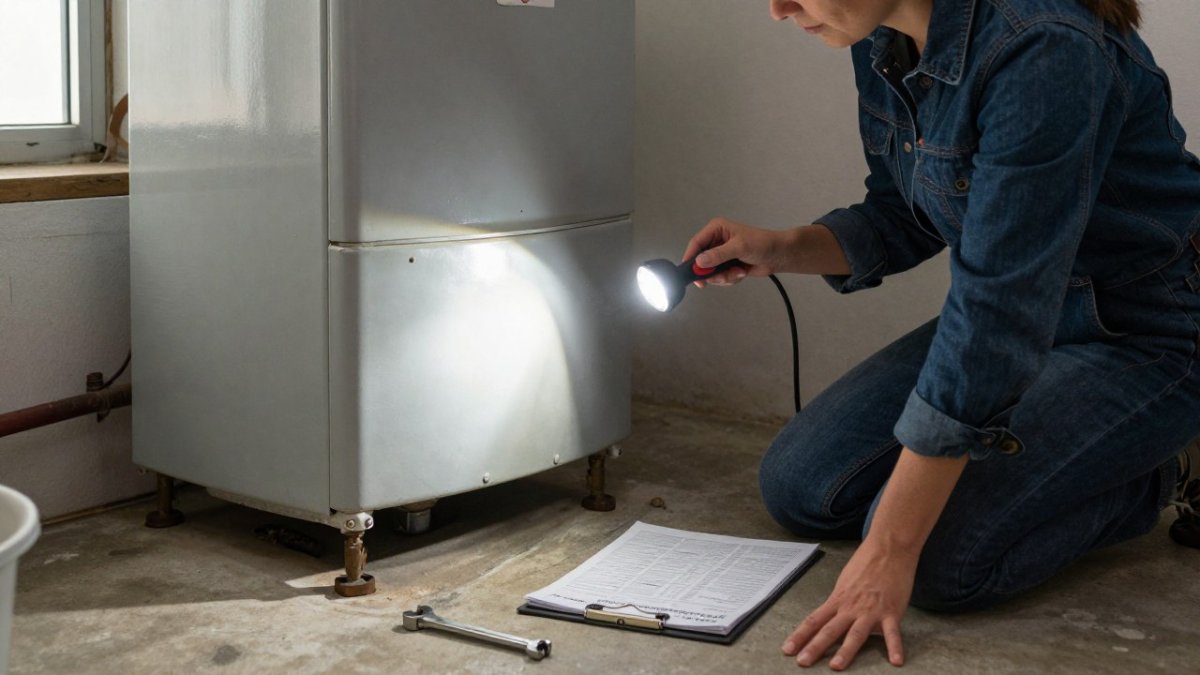
1. Strange Noises: Banging, Rattling, Squealing, or Grinding
Loud noises are the most common early warning sign, and the type of sound tells you a lot. Grinding is the worst of the three, often signaling motor or blower failure. Sunrise HVAC's guide to short cycling and mechanical failure notes that unusual sounds frequently accompany other system faults. If you hear any of these, learn which HVAC sounds are true emergencies before deciding whether to wait.
2. Weak Heat or Insufficient Airflow
When your furnace runs but the air coming out feels lukewarm, or airflow is weak, something is restricting heat output. Common causes include clogged filters, blocked vents, or a failing blower. American Standard Air's furnace repair guidance identifies weak or uneven heating as a clear warning sign worth a service call. Don't ignore it; restricted airflow forces the system to work harder and can lead to overheating.
3. The Furnace Won't Turn On or Keeps Short Cycling
A furnace that won't start, or that starts and shuts off within minutes (short cycling), points to ignition problems, a faulty flame sensor, or a system that's overheating. This is a high-urgency sign. If your furnace won't turn on and temperatures are dropping, same-day emergency HVAC repair is worth arranging rather than waiting.
4. Uneven Heating and Cold Rooms
If one room is warm and another stays cold, the problem may be clogged vents, leaky ductwork, or a failing heat exchanger. Uneven heating is rarely an emergency on its own, but it usually gets worse. Left alone, it drives up energy usage and stresses the whole system.
5. Rising Energy Bills Without a Clear Reason
A sudden spike in your gas or electric bill, with no change in usage or weather, means your furnace is losing efficiency. A noticeable increase in your energy bills is a reason to call a professional. The system is working harder to produce the same heat, and that usually means a component is failing.
6. Frequent Repairs and Repeated Service Calls
If you've called for furnace repair more than once in a season, the math starts to shift. Aire Serv's repair-versus-replace analysis points out that homeowners often struggle to find the exact point where repeated repairs cost more than a new unit. Our rule of thumb: when repair costs approach half the price of replacement, and the system is over 15 years old, replacement usually wins.
7. Unusual Odors: Burning, Musty, or Rotten Egg Smells
This is the one sign that overrides everything else. A burning smell can mean electrical components or a melting part. A musty smell suggests mold in the ductwork. A rotten egg smell means a gas leak, and you should leave the home and call your gas utility immediately. Polaraire's furnace safety guide flags gas odors and visible soot as safety red flags.
8. A Yellow or Flickering Burner Flame
A healthy gas furnace burns a steady blue flame. A yellow or flickering flame often means incomplete combustion, which can produce carbon monoxide. Jackson Comfort's heat exchanger diagnostics identifies a cracked heat exchanger, signaled by this flame color, as an immediate safety risk. If you see a yellow flame or your carbon monoxide alarm sounds, shut off the furnace, ventilate the home, and get everyone outside before calling for help.
What to Do While Waiting for a Furnace Repair Technician
The gap between calling and the technician arriving is when most preventable damage happens. Match your actions to the symptom rather than following one generic checklist.
| Symptom | Likely cause | Urgency | Do this before the technician arrives |
|---|---|---|---|
| Rotten egg smell or hissing near the unit | Gas leak at a connection or valve | Emergency | Leave the home, call the gas utility from outside, do not operate switches or the thermostat |
| CO alarm sounding or headache/dizziness | Incomplete combustion, cracked heat exchanger, blocked flue | Emergency | Evacuate, call 911 if symptomatic, do not re-enter until cleared |
| Yellow or flickering flame with soot | Incomplete combustion, heat exchanger risk | Emergency | Shut off at the thermostat, keep the cabinet closed, ventilate if safe |
| Grinding or metal-on-metal noise | Blower motor or bearing failure | High | Shut off at the breaker to prevent motor burnout, note the sound |
| Repeated short cycling | Flame sensor, overheating, blocked filter | High | Replace the filter if visibly clogged, do not repeatedly reset |
| Weak heat, lukewarm air | Clogged filter, failing blower, duct restriction | Medium-High | Change the filter, confirm vents and returns are open |
| Uneven heating, cold rooms | Duct leaks, damper or zoning issue | Medium | Close unused registers, note which rooms stay cold |
| Rising bills, no other symptom | Declining efficiency, dirty components | Medium | Track the last two bills, schedule a tune-up |
A few rules apply across every row:
- Shut off at the thermostat first, breaker second. The thermostat stops the call for heat; the breaker removes power to the blower and controls. Do both if you hear grinding or smell burning.
- Do not repeatedly reset the system. Each reset cycle pushes a failing component harder and can turn a repairable motor or board into a replacement.
- Do not open the burner compartment or attempt to clean the heat exchanger. Gas valves, ignitors, and the heat exchanger are the parts most likely to injure a homeowner, and most manufacturers void warranty coverage for unauthorized disassembly.
What the Diagnostic Visit Actually Involves
Knowing what the technician will do makes the visit less opaque and helps you judge the estimate. A typical diagnostic follows a sequence:
- Safety check first. The technician tests for gas leaks at connections, checks the flue and venting for blockage or backdraft, and inspects the heat exchanger for cracks using visual inspection and, where available, a combustion analyzer or camera.
- Ignition and flame verification. The ignitor, flame sensor, and gas valve are tested, and the flame is observed for color, shape, and stability. A steady blue flame with a crisp inner cone is the target.
- Airflow and blower testing. Static pressure, filter condition, and blower amp draw reveal whether the system is moving the air it was designed for. Restricted airflow is one of the most common root causes behind overheating and short cycling.
- Electrical and control checks. Control board fault codes, capacitor readings, and limit switch behavior are checked against the manufacturer's specifications.
- Repair-versus-replace recommendation. The technician should tell you the failed part, the repair cost, the system's age, and whether the repair is likely to hold. Ask for the part number and the expected labor time so the estimate is comparable to a second opinion.
A diagnostic that skips the heat exchanger and venting check is incomplete, especially on systems over 10 years old. If your technician does not mention those, ask.
What to Have Ready When You Call
Have the furnace's brand and model number (on the rating plate inside the cabinet door), the system's approximate age, the fuel type (natural gas, propane, electric, or oil), and a one-sentence description of the symptom. That information lets the dispatcher send a technician with the right parts and tells you whether the visit is routine or after-hours. If you are in the San Gabriel Valley and need same-day service, same-day emergency HVAC repair is worth arranging rather than waiting when the symptom is in the high or emergency rows above.
What a Furnace Repair Cost Really Depends On
The price of furnace repair depends on the part that failed, the system's age and type, and how accessible the unit is. A simple ignitor or flame sensor replacement sits at the low end; a blower motor, control board, or heat exchanger pushes toward the high end. Because we don't quote prices blind, we recommend a diagnostic first. Air CareSaver offers free estimates so you know the scope before any work begins.
The Average Life of a Furnace and When to Stop Repairing
The typical expected lifespan of a furnace is 15-20 years, according to American Standard Air's furnace replacement guidance. Once a system passes that range, Appolo Heating's repair-versus-replace guidance considers it a prime candidate for replacement rather than another repair. If your furnace is over 15 years old and facing a major repair, compare repair and replacement costs before committing.
Your Furnace Maintenance Checklist to Prevent Future Breakdowns
Most emergency breakdowns start as small, ignored issues. A simple maintenance routine catches them early:
- Replace the air filter every 1-3 months
- Keep vents and returns clear of furniture and rugs
- Listen for new noises each heating season
These preventative maintenance steps go a long way toward avoiding a mid-winter emergency.
Get a Free Estimate for Your Furnace Repair
A failing furnace rarely fixes itself, and the warning signs above are your chance to act before a small problem becomes a costly one. If you're in the San Gabriel Valley and need furnace repair, Air CareSaver brings 21+ years of licensed experience (#1054832), same-day response, and free estimates so you get an honest diagnosis without guesswork. Our technicians diagnose the real cause and repair it safely, backed by a 4.9 Google rating across 270+ reviews. Request your furnace repair estimate and get your heat back on.
Frequently Asked Questions
What are the most common signs that a furnace needs immediate repair?
The clearest warning signs are strange noises like banging, rattling, squealing, or grinding, weak heat or insufficient airflow, a furnace that won't turn on or keeps short cycling, uneven heating and cold rooms, unexplained energy bill spikes, frequent repairs, unusual odors, and a yellow or flickering burner flame. A yellow flame and any gas or burning smell are safety issues that need professional attention right away rather than a wait-and-see approach.
How much does furnace repair cost typically run?
Furnace repair cost depends on the part that failed, the furnace's fuel type and configuration, and how accessible the unit is. A simple ignition or flame sensor fix sits at the low end, while heat exchanger or blower motor work costs more because of parts and labor time. Air CareSaver provides free estimates, so you know the scope and price before any work starts rather than guessing from a phone quote.
What should I do while waiting for a furnace repair technician?
If you smell gas or hear the carbon monoxide alarm, leave the building and call from outside. For a furnace that won't start, check the thermostat batteries and the breaker, confirm the filter isn't clogged, and keep vents open. Don't keep resetting a unit that short cycles. Shut the system off at the thermostat if you smell burning or see a yellow flame, and use space heaters safely away from flammable items until the technician arrives.
Is it better to repair or replace a furnace that is over 15 years old?
The average life of furnace equipment is 15 to 20 years, so a unit past 15 is a prime replacement candidate when repairs stack up. A single affordable fix on an otherwise healthy furnace is usually worth doing. When you're facing repeated service calls, rising bills, and a repair bill that approaches a large share of replacement cost, putting that money toward a new system usually makes more sense.
Don't wait for a cold room to turn into a cold night. Get started with Air CareSaver and restore reliable warmth with fast, honest, same-day service.