 how-to
Preventative Maintenance Tips to Avoid Emergency Repairs
Last Updated: October 22, 2026
Quick Summary
Preventative maintenance tips form the backbone of reliable HVAC performance through regular inspections, cleaning, and adjustments before problems develop. Most systems need professional service twice per year: once before cooling season and once before heating season. This proactive approach catches small issues early, prevents expensive emergency repairs, and keeps your system running at peak efficiency.
- Schedule professional HVAC maintenance in spring (March-May) and fall (September-November) before peak seasons
- Check your air filter monthly and replace it immediately if visibly dirty or clogged
- A worn bearing costing $200 to replace during routine maintenance can become a $1,500 compressor failure if left unchecked
- Keep your outdoor condenser unit clear with a 2-foot radius and trim vegetation back at least 3 feet
- Systems typically last 15-20 years; replacement often makes financial sense after 15 years if repair costs are climbing
Table of Contents
- What Preventative Maintenance Is and How It Works
- Preventative vs. Reactive Maintenance: Why the Difference Matters
- How Often to Service HVAC System for Optimal Performance
- HVAC Preventive Maintenance Checklist: Step-by-Step Tasks
- Air Conditioner Maintenance Tips to Keep Your System Running
- Signs Your HVAC System Needs Repair Before It Fails
- Building Your Maintenance Schedule and Tracking Progress
- Frequently Asked Questions
What Preventative Maintenance Is and How It Works
Preventative maintenance tips form the backbone of reliable HVAC performance. At its core, preventative maintenance is a proactive approach to keeping your heating and cooling systems running smoothly by performing regular inspections, cleaning, and adjustments before problems develop.
Think of it like caring for a car. You change the oil every few months to prevent engine damage. You rotate tires to extend their life. You don't wait for the engine to seize or a tire to blow out on the highway. The same logic applies to your HVAC system.
Preventative maintenance works by catching small issues early. A dirty filter reduces airflow. A worn belt loses tension. Refrigerant levels drop slightly. None of these problems announce themselves loudly at first. But left unchecked, each one compounds into a system failure.
Here's what happens during routine maintenance:
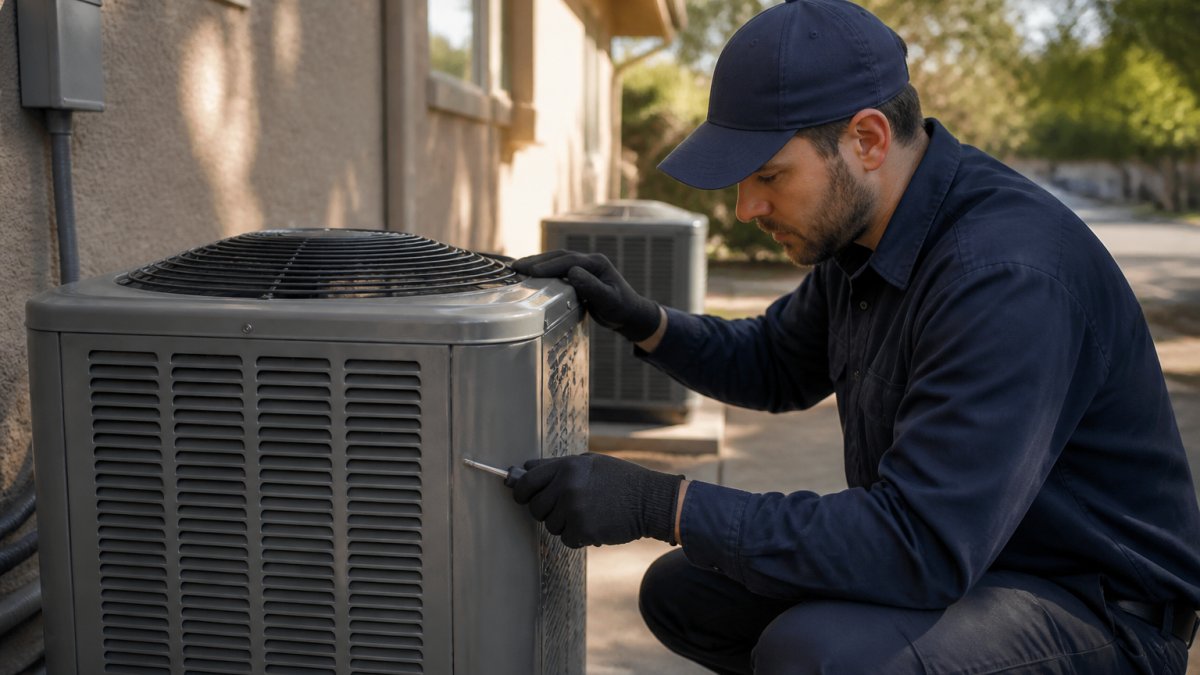
- A technician inspects your equipment for visible wear and damage
- They clean components that accumulate dust and debris
- They lubricate moving parts to reduce friction
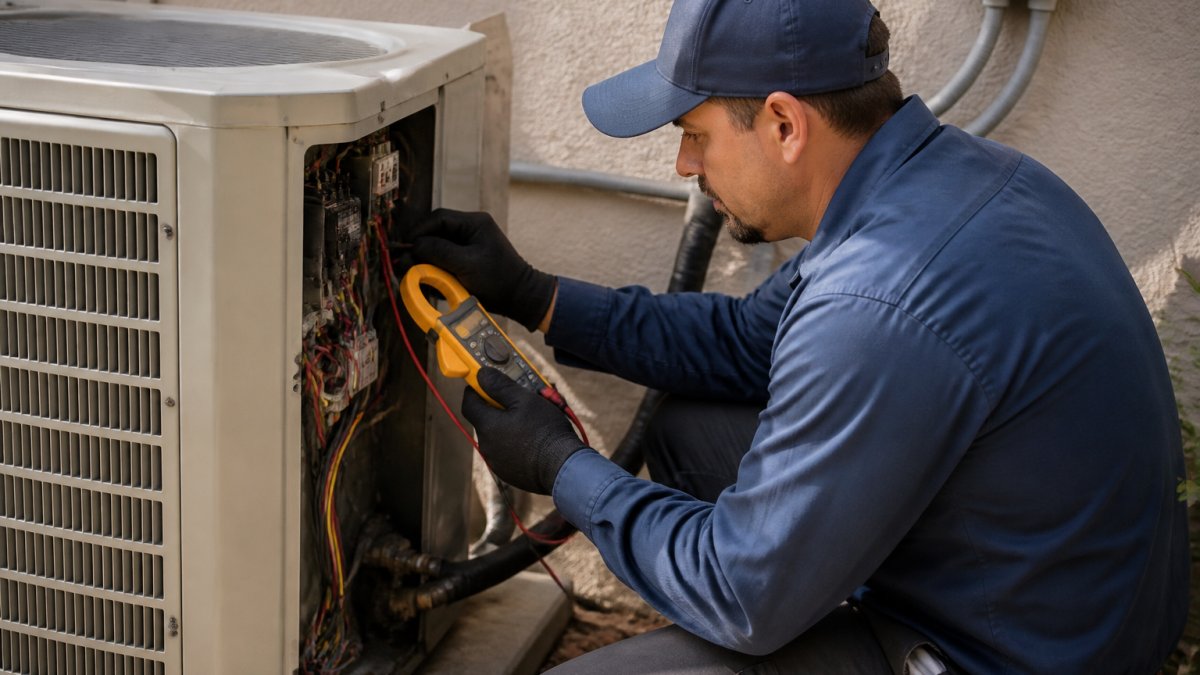
- They check electrical connections and safety controls
- They test system performance and measure efficiency
The result? Your system runs at peak efficiency, uses less energy, and lasts significantly longer. More importantly, you avoid the panic of a breakdown during the hottest day of summer or the coldest night of winter.
Air CareSaver has spent over 21 years helping homeowners and business owners in the San Gabriel Valley understand that preventative maintenance isn't an expense, it's an investment that pays dividends through uninterrupted comfort and lower repair costs.
Preventative vs. Reactive Maintenance: Why the Difference Matters
The difference between these two approaches shapes your entire experience with HVAC systems. Preventative maintenance involves scheduled inspections and upkeep performed on a set calendar. Reactive maintenance means you call for help only when something breaks.
Reactive maintenance feels cheaper in the moment. You pay nothing until failure strikes. But that's an illusion.
When a system fails unexpectedly, you face emergency service calls. Technicians charge premium rates for same-day or after-hours response. Breakdowns often happen at the worst times, during extreme weather when every contractor is swamped. You wait days for an appointment while your home becomes uncomfortable or your business loses productivity.
Emergency repairs also tend to be more expensive because the damage has cascaded. A worn bearing that would cost $200 to replace during routine maintenance becomes a failed compressor costing $1,500 once it seizes.
Preventative maintenance eliminates this cycle. You schedule service during off-peak times when technicians have availability. You choose the date and time that works for you. Costs are predictable. And most importantly, your system keeps running.
The choice isn't really between spending money now or spending nothing. It's between spending a modest amount on prevention or a much larger amount on emergency repairs. Add in the comfort of knowing your system won't fail during a heat wave or cold snap, and preventative maintenance becomes the obvious choice.
How Often to Service HVAC System for Optimal Performance
Most HVAC systems need professional service twice per year: once before cooling season and once before heating season. This schedule aligns with when your system works hardest and when problems are most likely to develop.
Spring maintenance (typically March through May) prepares your air conditioning system for summer. Winter maintenance (typically September through November) gets your heating ready for cold months.
However, the right schedule depends on several factors:
- System age: Older systems benefit from more frequent inspections, sometimes quarterly
- Usage intensity: Commercial systems running 12+ hours daily may need service every 3 months
- Environmental conditions: Dusty or humid climates accelerate filter clogging and require more frequent changes
- Manufacturer recommendations: Check your system's documentation for specific guidance
- Previous issues: If your system has had recurring problems, more frequent monitoring catches recurrence early
Between professional visits, you should check your system monthly. Look at your air filter. If it's visibly dirty or clogged, replace it immediately. Check that air vents are clear of obstructions. Listen for unusual noises. These simple checks take 10 minutes and catch problems before they worsen.
Air CareSaver recommends scheduling your professional maintenance appointments at the same time each year. Mark your calendar now. Set phone reminders. Consistency prevents the "I'll get to it later" mindset that leads to skipped maintenance and unexpected breakdowns.
HVAC Preventive Maintenance Checklist: Step-by-Step Tasks
A structured approach ensures nothing gets overlooked. Use this checklist during your routine maintenance visits to confirm all critical tasks are completed.
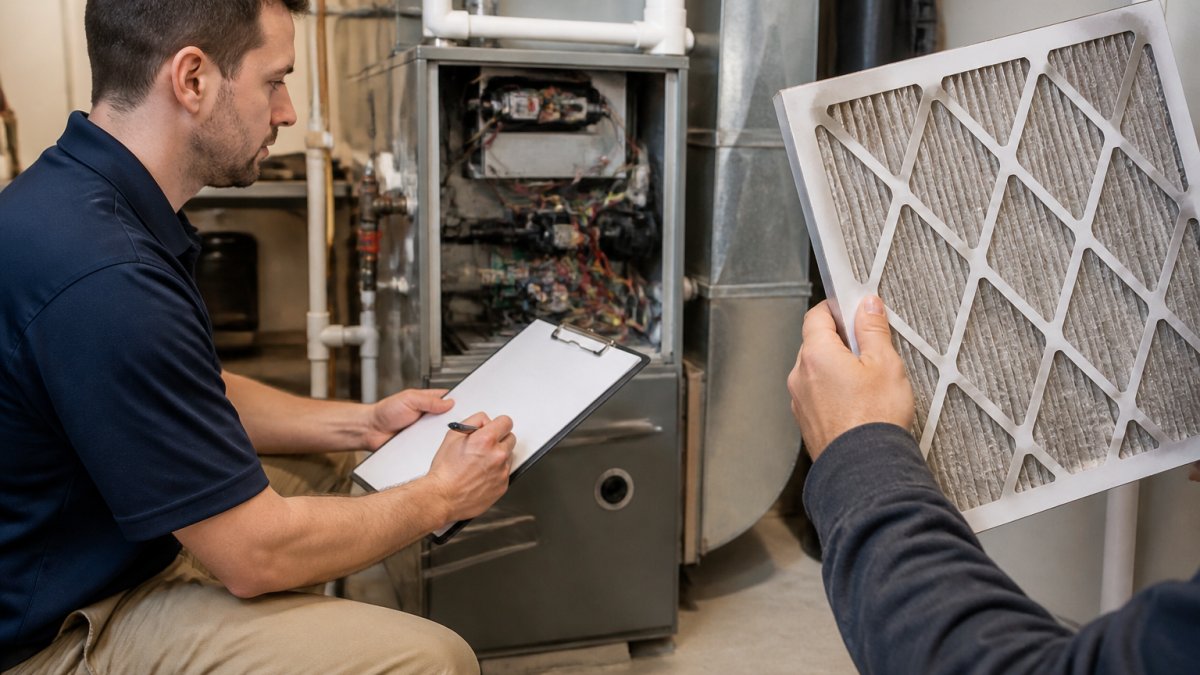
Monthly tasks (homeowner responsibility):
- Inspect air filter for dirt and debris
- Replace filter if visibly clogged
- Check that all vents and returns are unobstructed
- Listen for unusual noises during operation
- Feel for normal airflow from registers
Seasonal professional tasks (spring and fall):
- Clean or replace air filters
- Inspect and clean condenser coils
- Check refrigerant levels and pressure
- Test all electrical connections
- Lubricate fan motors and bearings
- Inspect ductwork for leaks or damage
- Verify thermostat calibration and operation
- Check safety controls and limit switches
- Clean blower wheel and housing
- Inspect heat exchanger (heating systems)
- Test system startup and shutdown cycles
- Measure system efficiency and performance
Annual tasks (at least once per year):
- Full system performance test
- Electrical component inspection
- Gas pressure and flame inspection (for gas furnaces)
- Combustion analysis (for gas systems)
- Ductwork sealing if leaks are detected
This checklist transforms maintenance from a vague concept into concrete actions. When a technician visits, ask them to review this list and document which tasks they've completed. Request a written report. This record proves maintenance occurred and helps diagnose future problems.
Air Conditioner Maintenance Tips to Keep Your System Running
Your air conditioning system deserves specific attention because cooling demands are intense during summer months. These practical tips extend your system's life and maintain efficiency.
Keep the outdoor unit clear. Your condenser sits outside and accumulates leaves, dirt, grass clippings, and debris. Trim vegetation back at least 3 feet. Hose off the fins gently if they're visibly dirty.
Protect your thermostat. Don't place lamps, televisions, or heat-generating devices near your thermostat. These fool the temperature sensor into thinking your home is warmer than it actually is, causing the system to cycle less frequently.
Maintain consistent temperature settings. Resist the urge to set your thermostat dramatically lower when you come home hot. Your system cools at a fixed rate.
Use ceiling fans strategically. Ceiling fans don't lower temperature, but they circulate cool air more effectively throughout your space. This allows your air conditioning to work less hard. Run fans counterclockwise in summer to push cool air down.
Keep supply vents unblocked. Furniture, curtains, and closed doors block airflow. This creates pressure imbalances that reduce efficiency. Keep supply and return vents clear. Open interior doors to allow air circulation between rooms.
Schedule maintenance before peak season. Don't wait until July when temperatures peak and every contractor is overwhelmed. Call in May or June. You'll get faster appointments, lower prices, and peace of mind before summer heat arrives.
Signs Your HVAC System Needs Repair Before It Fails
Catching problems early prevents catastrophic failures. Learn to recognize these warning signs that your system needs professional attention.
Weak or uneven airflow. If some rooms feel cold while others stay warm, your system isn't distributing air properly.
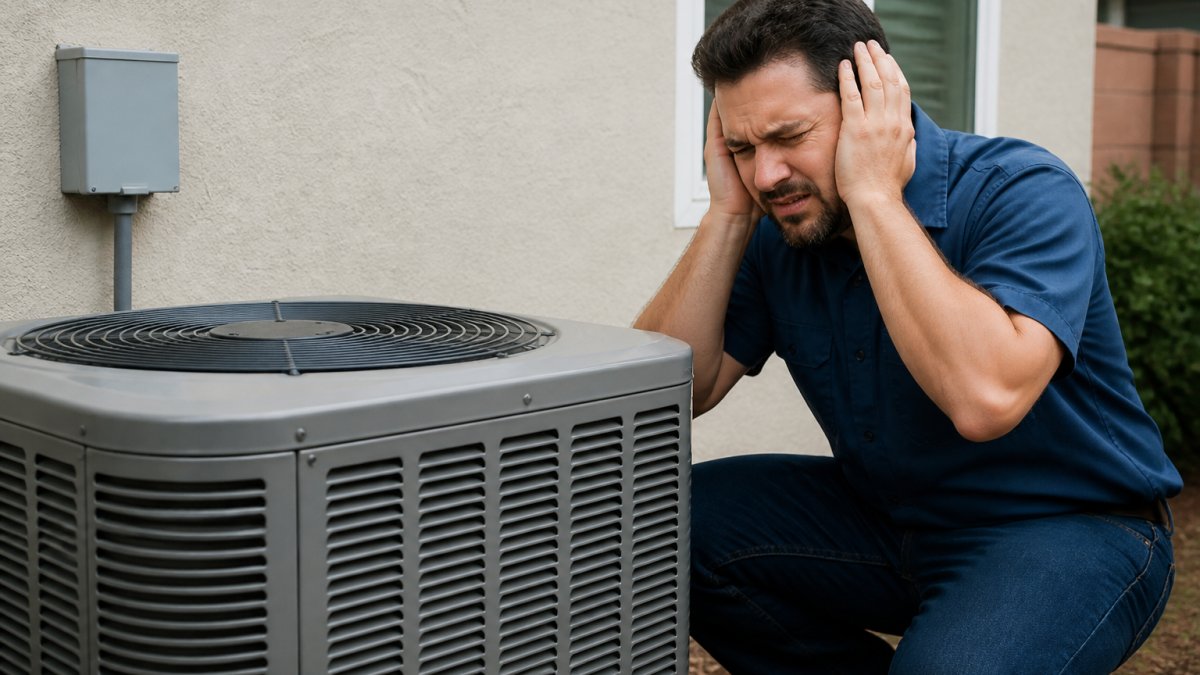
Strange noises during operation. Normal HVAC systems make gentle humming sounds. Grinding, squealing, rattling, or banging noises indicate mechanical problems.
Higher than normal utility bills. If your energy costs spike without explanation, your system is working inefficiently. This typically means reduced airflow, low refrigerant, or failing components.
Thermostat not responding. Your system doesn't turn on when you adjust the thermostat, or it cycles on and off constantly. This suggests electrical issues or a faulty thermostat.
Leaking water or refrigerant. Water pooling near your indoor unit indicates a clogged drain line. Refrigerant leaks show as oily residue on components. Both require immediate professional service.
Visible corrosion or rust. Corroded components fail prematurely. If you see rust on your outdoor unit or indoor equipment, have a technician inspect for structural integrity.
Foul or unusual odors. Musty smells suggest mold in your ductwork. Burning smells indicate electrical problems. Refrigerant smells like chloroform. Any unusual odor warrants professional investigation.
Age and performance decline. Systems typically last 15-20 years. If your system is past 15 years old and repair costs are climbing, replacement often makes financial sense.
Building Your Maintenance Schedule and Tracking Progress
Creating a maintenance schedule transforms good intentions into consistent action. A written plan eliminates guesswork and ensures nothing gets forgotten.
Start with your system's documentation. Find your system's manual or serial number plate. Note the manufacturer and model. Search the manufacturer's website for recommended maintenance intervals.
Mark your calendar now. Don't rely on memory. Use your phone calendar, wall calendar, or digital planner.
Create a maintenance log. Keep a simple record of every service visit. Document the date, technician name, company, work performed, and any recommendations.
Track filter replacements. Note when you replace your air filter and its MERV rating. Filters should be replaced every 1-3 months depending on usage and air quality.
Monitor performance metrics. If your system has a smart thermostat, review energy usage trends. Sudden increases suggest efficiency problems. Consistent performance indicates proper maintenance.
Plan for seasonal transitions. Schedule spring cooling maintenance for April. Schedule fall heating maintenance for September. Consistency prevents last-minute scrambling when seasons change.
Budget for maintenance costs. Set aside a small monthly amount for preventative maintenance and potential repairs. This eliminates financial shock when service is needed.
Air CareSaver offers free estimates and can help you establish a maintenance schedule tailored to your specific system and needs.
Keeping your HVAC system running reliably doesn't require expensive emergency repairs or constant worry about breakdowns.
Frequently Asked Questions
How often should HVAC systems be maintained to prevent emergency repairs?
Most HVAC systems should receive professional maintenance at least twice per year, once before cooling season and once before heating season. This schedule catches wear and tear early, replaces filters, checks refrigerant levels, and inspects electrical connections. Homes in dusty environments or with pets may benefit from more frequent filter changes. Regular inspections reduce the risk of unexpected breakdowns and keep your system operating efficiently year-round.
What HVAC maintenance can homeowners do themselves?
Homeowners can perform several preventative maintenance tasks safely: replace or clean air filters every 1-3 months, keep outdoor condenser units clear of debris and vegetation, ensure vents and returns are unobstructed, and check that thermostats are functioning correctly. However, tasks involving refrigerant, electrical components, compressor inspection, or internal coil cleaning require professional technicians with proper licensing and equipment. Know your limits, attempting complex repairs without training can void warranties and create safety hazards.
What are the warning signs that an HVAC system needs repair?
Watch for unusual noises (grinding, squealing, rattling), reduced airflow from vents, inconsistent temperatures between rooms, higher-than-normal utility bills, visible leaks around the unit, or a burning smell when the system starts. If your system cycles on and off frequently or struggles to reach your set temperature, schedule a professional inspection immediately. Early detection of these signs prevents minor issues from becoming expensive emergency repairs that disrupt your comfort.
Can regular HVAC maintenance actually prevent emergency repairs?
Yes. Preventative maintenance identifies and fixes small problems before they escalate into system failures. Regular inspections catch worn components, low refrigerant, dirty coils, and electrical issues early. This proactive approach reduces unexpected breakdowns, eliminates costly emergency service calls, and extends equipment lifespan. The cost of scheduled maintenance is significantly lower than emergency repairs, making it a smart investment for homeowners and business owners alike.