 listicle
Are Annual HVAC Maintenance Visits Worth It in San Gabriel?
Last Updated: November 4, 2026
Quick Summary
Annual HVAC maintenance is worth the money for most San Gabriel Valley homes, mainly because it catches small wear before it becomes a costly failure. A yearly visit typically cleans and inspects equipment, checks refrigerant and electrical parts, and tests the thermostat. Savings vary, and no maintenance plan prevents every breakdown.
- A typical visit replaces or inspects the air filter and cleans evaporator and condenser coils.
- Technicians check refrigerant levels for leaks and inspect electrical connections during the visit.
- Ask for a written summary of findings to track changes and support warranty claims.
- Most expensive failures start small, like a weak capacitor or slow refrigerant leak.
- Split systems often need a spring cooling visit and a fall heating check.
Table of Contents
- What Annual HVAC Maintenance Actually Covers
- Lower Energy Use and Utility Bills
- Preventing Breakdowns and Reducing Repair Costs
- Extending Equipment Lifespan in Older Homes
- How Much Annual HVAC Maintenance Costs and What It Saves
- How Often to Service Heating and Cooling Systems
- Booking Your Next Tune-Up With Air CareSaver
- Frequently Asked Questions
Are annual HVAC maintenance visits worth the money for a San Gabriel Valley home? Yes, for most systems, though the benefits are more practical than dramatic. Air CareSaver has served homeowners and businesses across Walnut and the San Gabriel Valley for over 21 years. In general, a system that gets a yearly inspection tends to fail less often, run more reliably, and cost less to keep running. Below, we break down what a tune-up actually covers, what it can and cannot do for your energy bills, and how to decide whether it makes sense for your home.
What Annual HVAC Maintenance Actually Covers
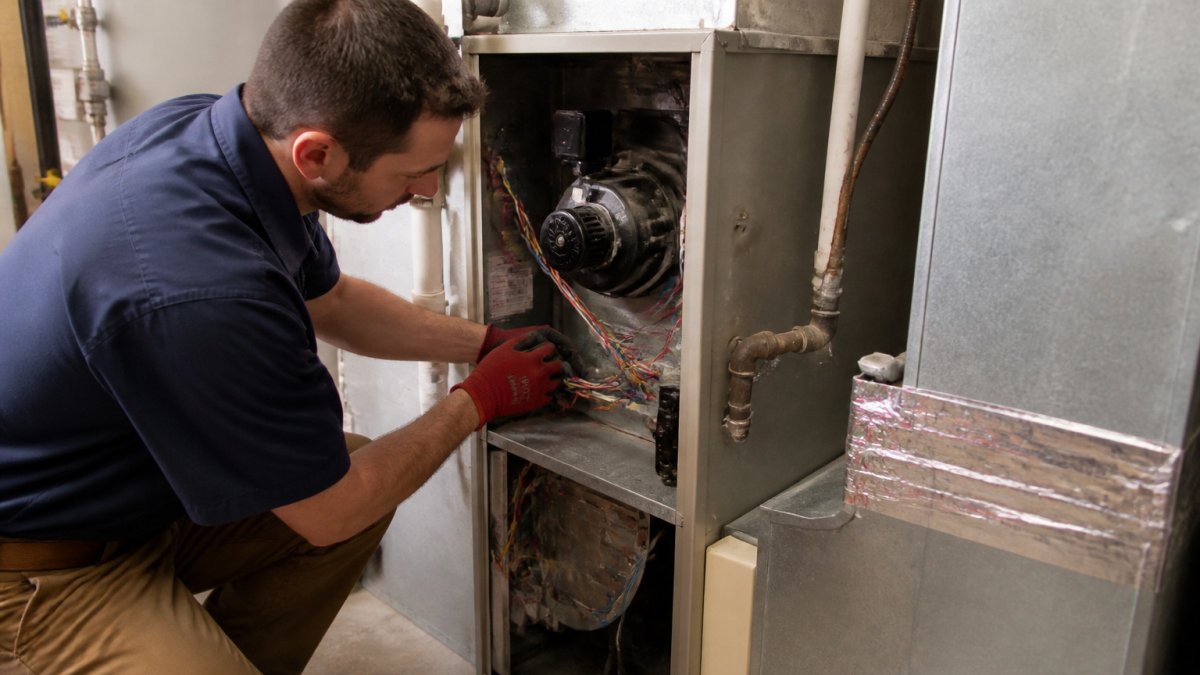
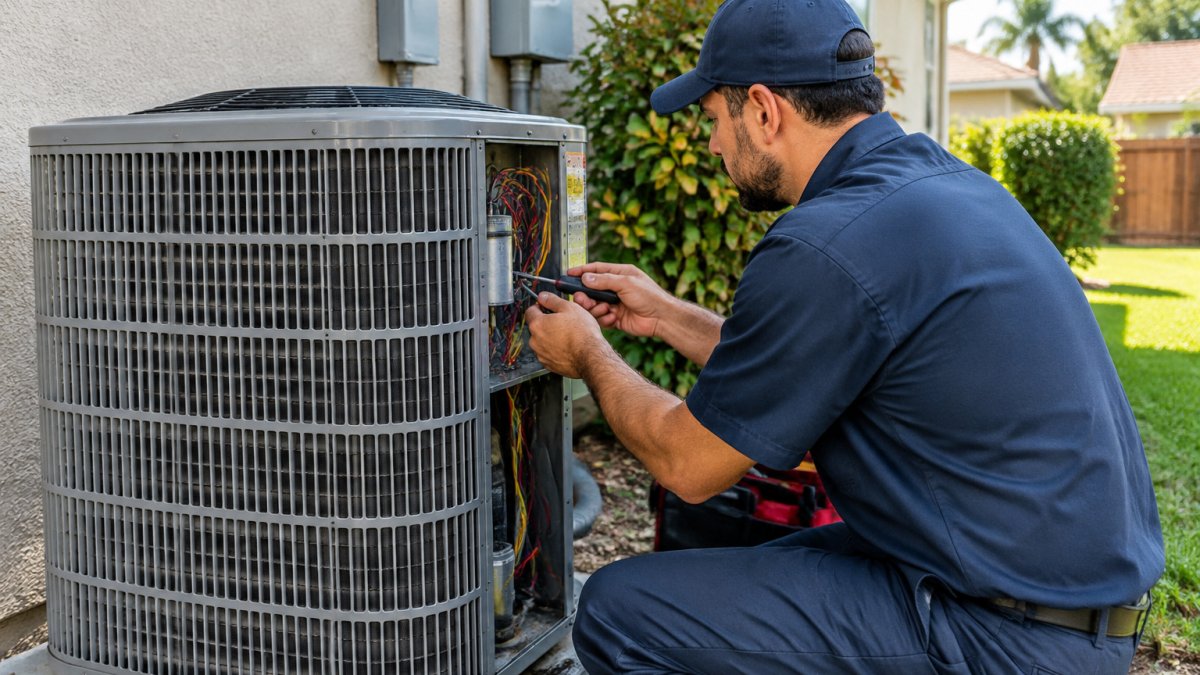
An annual HVAC maintenance visit is a scheduled inspection, cleaning and adjustment of your heating and cooling equipment. Technicians look for wear before it becomes a failure, and they correct small problems while they are still small.
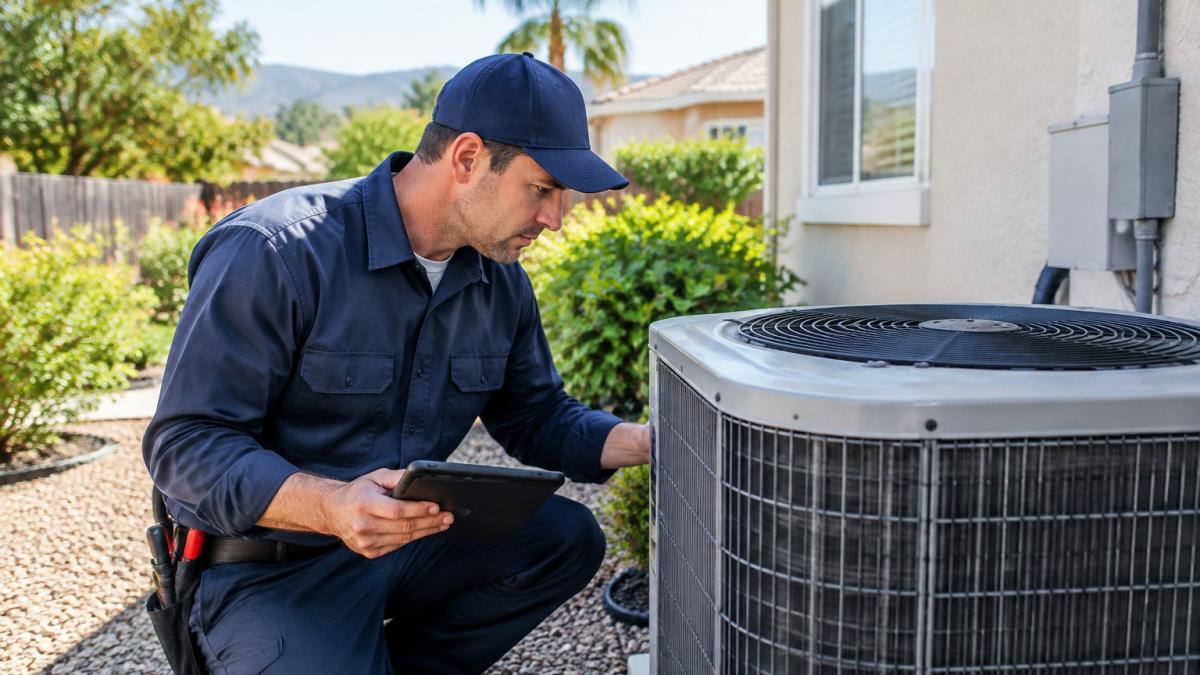
A Typical Annual Maintenance Checklist
A thorough visit usually covers the following items:
- Replace or inspect the air filter and check airflow
- Clean the evaporator and condenser coils
- Check refrigerant levels and look for leaks
- Inspect electrical connections and tighten or replace worn parts
- Test thermostat operation and calibration
- Clear and inspect the condensate drain line
- Check burners, heat exchanger and ignition on heating systems
- Lubricate moving parts such as fan motors where the equipment calls for it
Ask the technician for a written summary of findings. A clear record helps you track changes over time and supports any warranty claim that depends on proof of regular service.
The article's checklist of what a yearly visit typically covers is summarised below.
| Item | What the visit does |
|---|---|
| Air filter | Replace or inspect and check airflow |
| Coils | Clean evaporator and condenser coils |
| Refrigerant | Check levels and look for leaks |
| Electrical | Inspect connections and tighten or replace worn parts |
| Thermostat | Test operation and calibration |
| Condensate drain | Clear and inspect the line |
| Heating components | Check burners, heat exchanger and ignition |
| Moving parts | Lubricate fan motors where the equipment calls for it |
Lower Energy Use and Utility Bills
Regular maintenance can reduce energy consumption, and dirty coils and clogged filters force a system to work harder for the same comfort.
Results vary. A well-kept system in good condition will save less than a neglected one that gets its first real service in years.
Preventing Breakdowns and Reducing Repair Costs
Most expensive HVAC failures start small: a weak capacitor, a slow refrigerant leak, a frozen coil. A maintenance visit catches these early, when a repair is a part and an hour of labor rather than an emergency call during a heat wave.
Maintenance can reduce the likelihood of costly repairs, but your savings depend on your system's age and history, and no maintenance program can prevent every breakdown.
Extending Equipment Lifespan in Older Homes
Older homes in the San Gabriel Valley often have systems that have been running for 15 years or more. Maintenance will not make an aging unit last forever, but it does slow wear on compressors, fan motors and heat exchangers.
Maintenance also tells you something useful. A technician who tracks refrigerant levels, electrical readings and coil condition over several visits can show you whether a system is declining steadily or failing suddenly. That information helps you decide when repair still makes sense and when replacement is the better investment. Maintenance cannot fix a unit that is past its useful life, and an honest technician will say so.
How Much Annual HVAC Maintenance Costs and What It Saves
Cost is the question most homeowners actually have, and the honest answer is a range rather than a number. Pricing depends on system type, tonnage, number of units, and whether you need one visit or two, so request a free estimate for current rates. For a clear view of what diagnostic work involves and what it typically costs, see HVAC Diagnostic Service Cost Breakdown.
The more useful exercise is comparing the tune-up against what it is meant to prevent. Reactive repairs can cost considerably more than a routine visit, though no plan prevents every failure and the savings depend on the system's age and history.
When you compare a service plan with a one-off visit, read the inclusions rather than the headline price:
- How many visits per year, and are both heating and cooling covered?
- Are filters, minor parts, and refrigerant checks included or billed separately?
- Does the plan include priority scheduling during peak heat, when wait times are longest?
- Are there discounts on repairs, and do they apply to parts, labor, or both?
- Does the provider document each visit in writing so you have proof of service for warranty purposes?
Watch out: a plan priced far below the local market often excludes the items that matter most, such as refrigerant or diagnostic fees, so ask for the exclusions in writing before you sign.
On the savings side, treat efficiency claims as directional. Regular maintenance can reduce energy consumption, and the benefit is generally greatest for systems that have gone without service for some time. For a closer look at real-number savings, read Regular HVAC Maintenance and Energy Bills: Real Savings.
How Often to Service Heating and Cooling Systems
The short answer is one visit per year for most homes, two for some. The longer answer depends on how your system is built and how hard it works, and that is where most generic advice stops short.
A split system with a separate furnace and air conditioner has two distinct pieces of equipment, and each has its own service needs. A packaged unit or a heat pump combines heating and cooling in one cabinet, so a single thorough visit can cover both modes. That distinction drives the scheduling decision more than any calendar rule.
For a split system, a common pattern is a cooling tune-up in spring, before the first sustained heat, and a heating check in fall, before the first cold snap. Scheduling before the season rather than during it allows problems to be found while there is still time to fix them. For a heat pump or packaged unit, one well-timed visit in early spring can prepare the system for both cooling and heating, with a filter-change routine in between.
Twice-yearly service is worth considering when:
- The home has a split system with both a furnace and an air conditioner.
- The system runs heavily because of household size, pets, or a home office.
- The equipment is older and has a history of small repairs.
- The property is commercial or has multiple units.
- A warranty requires documented service at set intervals.
Watch out: skipping the heating check because winters are mild can leave a cracked heat exchanger or a failing ignition system undetected, and those are safety issues, not just comfort issues.
A maintenance agreement that bundles a spring cooling visit and a fall heating visit is the simplest way to stay on schedule, and it usually includes priority service during peak demand. If you are unsure which cadence fits your equipment, ask the technician to identify whether you have a split system, a heat pump, or a packaged unit on the first visit, and build the schedule around that answer rather than a generic annual reminder.
Booking Your Next Tune-Up With Air CareSaver
If your system is due for service, or you are not sure when it was last inspected, Air CareSaver can help. Our technicians are licensed (#1054832), we offer same-day response and free estimates, and we aim to tell you plainly when a repair is worth making and when replacement makes more sense. You can book an HVAC tune-up in Walnut or reach our team at (626) 612-0788 to confirm service in your area.
Frequently Asked Questions
What does annual HVAC maintenance include?
A standard annual tune-up covers inspecting and cleaning the evaporator and condenser coils, checking refrigerant levels, testing electrical connections and safety controls, replacing or cleaning the air filter, clearing the condensate drain line, and verifying thermostat operation and airflow. Technicians also review system performance to spot wear before it causes a failure. Pricing depends on the system type, its age, and any repairs found during the visit, so request a current quote from Air CareSaver for your specific equipment.
How much does an annual HVAC service cost?
Air CareSaver has not published specific prices for maintenance visits, so the cost depends on the equipment, the number of units, and the scope of the inspection. A written estimate is the most reliable way to compare options. Many homeowners also ask whether a maintenance agreement or service plan lowers the total yearly cost by bundling inspections and priority scheduling. Contact Air CareSaver for a free estimate tailored to your home or business.
Can regular HVAC maintenance lower energy bills?
Regular maintenance can reduce energy consumption, and savings vary with the system's age, condition, and how it is used. Savings vary with the system's age, condition, and how it is used. Dirty coils, low refrigerant, and clogged filters force equipment to work harder, so correcting those issues is where most efficiency gains come from. Results are not guaranteed, but a tune-up is a practical way to address the most common causes of wasted energy.
How often should an HVAC system be serviced?
Most homeowners schedule maintenance once a year, though many contractors recommend two visits: one in spring before cooling season and one in fall before heating season. Twice-yearly visits make the most sense for systems that run heavily in both seasons, such as heat pumps in the San Gabriel Valley. Systems that are older or already showing problems may also benefit from more frequent checks. Air CareSaver can recommend a schedule based on your equipment and usage.