 ultimate-guide
Why HVAC Systems Fail Suddenly: 7 Critical Causes
Table of Contents
- Why HVAC Systems Fail Suddenly: Understanding the Critical Causes
- Electrical Issues: Breakers, Fuses, and Voltage Problems
- Refrigerant Leaks and Low Charge Levels
- Airflow Restrictions and Dirty Air Filters
- Compressor Burnout and Mechanical Failure
- Thermostat Malfunctions and Calibration Errors
- Why Is My AC Running Constantly: Short Cycling and System Efficiency
- HVAC Repair vs Replace Calculator: When to Fix vs Upgrade
- Benefits of Annual HVAC Maintenance: Prevention Over Emergency Repairs
- Frequently Asked Questions
Last Updated: August 27, 2026
Why HVAC Systems Fail Suddenly: Understanding the Critical Causes
Most HVAC systems that fail suddenly have been showing warning signs for weeks or months. At Air CareSaver, we've diagnosed thousands of unexpected failures, and the patterns are consistent: minor issues escalate into emergencies when ignored. A small refrigerant leak becomes compressor failure. Restricted airflow freezes coils. Electrical fluctuations trip breakers and shut down entire systems. Understanding these seven critical causes helps you recognize problems before they become emergencies and explains why preventative maintenance is insurance against costly downtime.
Electrical Issues: Breakers, Fuses, and Voltage Problems
Electrical problems account for a significant portion of sudden HVAC shutdowns. Your system requires stable electrical power, and when voltage fluctuates or breakers trip repeatedly, the system can't function. Tripped breakers protect your system from electrical overload or short circuits.
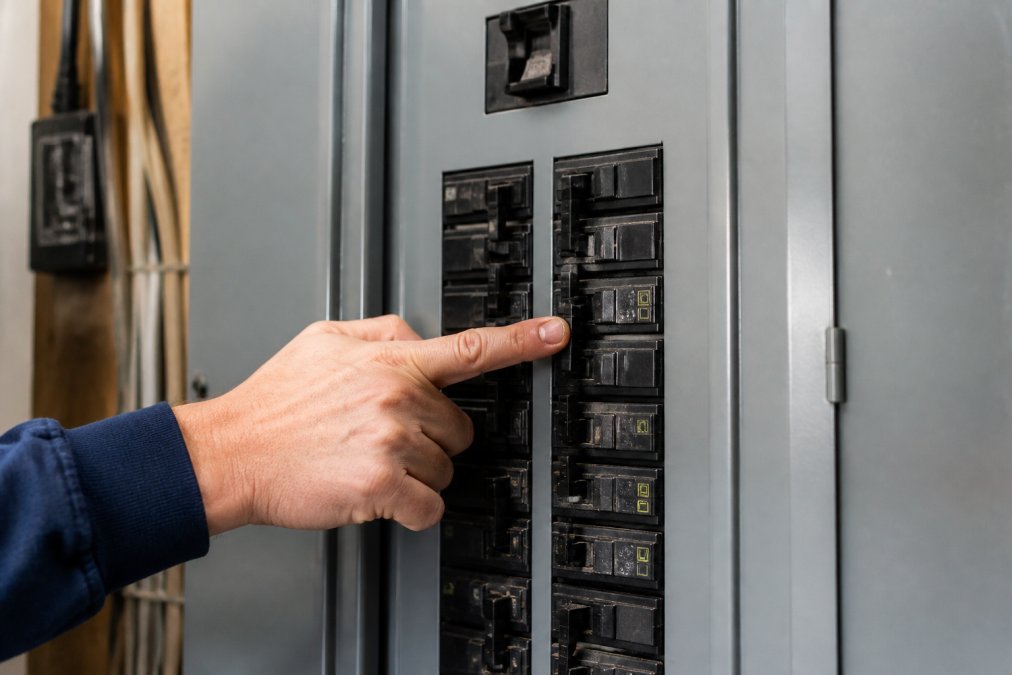
The issue becomes urgent when you reset the breaker and it trips again immediately. This signals a deeper electrical problem, either the HVAC unit is drawing too much power, or there's a fault in the wiring or connections. Voltage fluctuations damage compressors, blower motors, and capacitors over time.
What you can check: Look at your electrical panel. Is the breaker labeled for your HVAC system in the "off" position? Reset it once by flipping it fully off, then back on. If it trips again within minutes, stop, repeated resets indicate a serious electrical issue requiring professional diagnosis. Check whether other circuits are also affected. If it's only your HVAC, the problem is isolated to that system.
When to call a professional: Electrical issues are not DIY territory. A licensed technician can test for voltage problems, inspect wiring for damage, and identify whether the issue is in the system or your home's electrical infrastructure. Ignoring electrical problems risks fire hazards and permanent damage to expensive HVAC components.
Refrigerant Leaks and Low Charge Levels
Your air conditioning system relies on refrigerant to absorb heat from your home and release it outside. When refrigerant levels drop, your system can't cool effectively. A slow leak might take months to become noticeable; a larger leak causes complete system failure within days or weeks.
Low refrigerant levels trigger safety switches that shut down the compressor to prevent damage. Your AC might suddenly stop working even though the system is powered on and the thermostat is set correctly.
Refrigerant leaks happen at connection points, through microscopic cracks in coils, or at valve seals. As refrigerant escapes, the system works harder, drawing more electrical current and creating more heat. This accelerates compressor wear and eventually causes burnout.
What you can check: Listen for hissing sounds near the outdoor condenser unit or indoor air handler. Check the outdoor unit for ice buildup on copper lines, a sign of low refrigerant and restricted airflow. If your system runs constantly but doesn't cool adequately, low refrigerant is likely.
The critical point: You cannot add refrigerant yourself. Federal regulations require a licensed technician with proper certification to handle refrigerants (the EPA). A professional must locate the leak, repair it, and recharge the system.
Airflow Restrictions and Dirty Air Filters
Restricted airflow is one of the easiest problems to cause and hardest to diagnose without professional equipment. When air can't flow properly, evaporator coils freeze over, and your system shuts down to prevent damage.
A dirty air filter is the most common cause of restricted airflow. Filters trap dust, pollen, pet hair, and debris, becoming clogged over time. Most filters need replacement every 30 to 90 days, depending on pets, allergies, and local air quality (the EPA).
Ductwork blockages also restrict airflow. Debris inside ducts, collapsed duct sections, or closed vents reduce system efficiency and cause sudden failures. When airflow is restricted, your blower motor works harder, drawing more power and generating more heat. Eventually, the motor burns out.
What you can check: Look at your air filter. Is it visibly dirty or clogged? Replace it immediately, this is the cheapest preventative step. Check visible ductwork for damage or blockages. Make sure vents are open and not blocked by furniture. If your smart thermostat shows your system running but not reaching the target temperature, an airflow problem is likely.
The real consequence: Restricted airflow creates a cascade of failures. Frozen coils lead to water damage. Overworked motors burn out. Compressors fail from constant stress. What starts as a dirty filter becomes a system replacement if ignored.
Compressor Burnout and Mechanical Failure
Your compressor is the heart of your air conditioning system. When it fails, your system is essentially dead. A burned-out compressor can't be repaired; it must be replaced, one of the most expensive HVAC repairs.
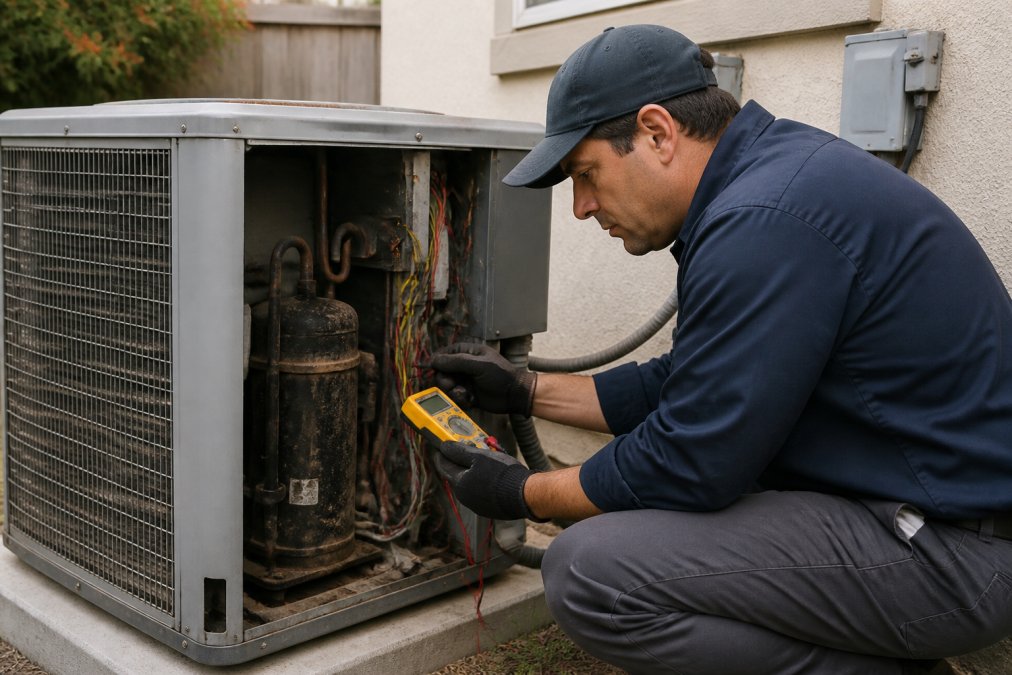
Compressor burnout happens gradually, usually as a result of other problems. Running with low refrigerant causes the compressor to work without proper lubrication and overheat. Unstable electrical voltage causes the motor to draw excessive current and the windings to overheat. Constant cycling wears out the motor faster.
The sudden failure you experience is usually the final stage of a problem developing for months. One day, the compressor won't start, or it starts and immediately shuts down.
What you can check: Listen to your outdoor unit. A healthy compressor hums quietly. A failing compressor makes grinding, squealing, or rattling sounds. If you hear these noises, stop running your system and call a professional immediately.
The hard truth: Compressor replacement costs can be significant. This is why preventative maintenance, keeping refrigerant levels correct, maintaining proper airflow, and ensuring stable electrical power, is critical. Preventing compressor failure is far cheaper than replacing one.
Thermostat Malfunctions and Calibration Errors
Your thermostat is the control center for your HVAC system. If it's not communicating correctly with your equipment, your system won't run properly or won't run at all. A faulty thermostat can cause short cycling, constant running, or complete shutdown.
Thermostat problems include dead batteries in wireless models, loose wiring connections, dirt affecting sensors, or complete electronic failure. Some thermostats lose calibration over time, meaning temperature readings are inaccurate. Your system might cool to 68 degrees, but the thermostat thinks it's 75, so it keeps running.
Smart thermostats add complexity. WiFi connectivity issues, app malfunctions, or programming errors can cause unexpected system behavior.
What you can check: Look at your thermostat display. Is it showing a reasonable temperature? Try adjusting the temperature by a few degrees and listen for your system to respond. If nothing happens, check batteries if it's wireless. Look for loose wires at the thermostat terminals. If you have a smart thermostat, verify WiFi connection and correct settings.
When to call a professional: If replacing batteries and checking connections doesn't solve the problem, your thermostat likely needs recalibration or replacement. A technician can test whether it's communicating correctly with your system.
Why Is My AC Running Constantly: Short Cycling and System Efficiency
Short cycling means your system turns on and off frequently instead of running in normal cycles. Your system should run for 15 to 20 minutes per cycle on a hot day, then shut off for a similar period (energy.gov). Running for just a few minutes before shutting down indicates short cycling.
Short cycling happens from low refrigerant levels, a faulty compressor contactor, an oversized system, thermostat problems, or restricted airflow. When your system short cycles, it never reaches full operating efficiency and consumes more energy per degree of cooling because it spends more time starting up and shutting down. Starting a compressor requires a surge of electrical current, so frequent starts waste energy. Short cycling also accelerates wear on the compressor motor.
If your AC runs constantly but your home isn't getting cooler, you have a refrigerant leak, airflow restriction, or compressor problem.
What this means for your utility bills: A system in short cycling mode can use significantly more electricity than a properly functioning system. If your energy bills have jumped suddenly, HVAC problems are often the culprit.
The connection to sudden failure: Short cycling accelerates wear mechanisms that lead to sudden failure. A system that short cycles for months will eventually have complete compressor failure or electrical problems causing shutdown.
HVAC Repair vs Replace Calculator: When to Fix vs Upgrade
Deciding whether to repair or replace an HVAC system depends on the age of your system, repair cost, efficiency rating, and repair frequency. A system that's 10 years old needing compressor replacement might be worth replacing entirely, especially if it's older and less efficient. A system that's 5 years old with a single problem might be worth repairing.
The "5,000 rule" many technicians use: multiply the age of your system in years by the repair cost in dollars. If the result exceeds 5,000, replacement is often more economical.
However, this doesn't account for energy efficiency improvements. A new system might use 20 to 30 percent less energy than a 15-year-old system, meaning lower monthly utility bills. Over 10 years, those savings can justify replacement.
| Factor | Favors Repair | Favors Replacement |
|---|---|---|
| System Age | Under 8 years | Over 12 years |
| Repair Cost | Under a certain amount | Over a certain amount |
| Frequency of Repairs | First problem in years | Multiple problems in 2 years |
| Energy Efficiency | Current system adequate | Utility bills rising consistently |
| Refrigerant Type | R-410A or newer | R-22 (being phased out) |
Your specific situation matters. A commercial property manager dealing with system failure during peak season might prioritize getting back online quickly. A homeowner with an older system might accept higher repair costs to avoid replacement disruption. Air CareSaver provides free estimates for both repair and replacement options.
Benefits of Annual HVAC Maintenance: Prevention Over Emergency Repairs
Annual preventative maintenance is the single most effective way to prevent sudden HVAC failure. A maintenance visit includes inspection of major components, cleaning of coils and filters, checking refrigerant levels, testing electrical connections, and lubricating moving parts.
During maintenance, a technician identifies problems before they cause system failure. A small refrigerant leak can be found and repaired before causing compressor burnout. Electrical connections can be tightened before causing shorts. Dirty coils can be cleaned before freezing. Worn capacitors can be replaced before failing.
Annual maintenance costs a fraction of emergency repair or system replacement. Preventing one failure pays for years of maintenance.
Maintenance improves system efficiency. Clean coils transfer heat more effectively. Proper refrigerant levels mean your system doesn't work as hard. Well-lubricated components operate with less friction. This translates to lower energy bills and consistent cooling.
Many HVAC companies, including Air CareSaver, offer maintenance plans with priority scheduling and repair discounts. When you have a maintenance agreement, you're guaranteed fast response if something goes wrong. For commercial properties, plans often include same-day response.
The preventative maintenance mindset shifts thinking from "my system is working fine, so I don't need anything" to "my system is working fine because I'm maintaining it." This approach saves money, prevents emergencies, and extends equipment life by years.
Understanding why HVAC systems fail suddenly puts you in control. Most failures are preventable with proper maintenance and attention to early warning signs. Air CareSaver brings 21 years of licensed expertise to every diagnosis, offering accurate assessments without unnecessary upselling, same-day response for emergencies, and free estimates to help you make the right decision for your home or business. Whether you need immediate repair or want to set up preventative maintenance to avoid future emergencies, contact Air CareSaver for a free estimate and get your system back to reliable operation.
Frequently Asked Questions
What should I check first if my AC suddenly stops working?
Start with the thermostat: verify it's set to cool mode and the temperature is below the current indoor reading. Check your electrical panel for a tripped breaker and reset it if needed. Inspect your air filter for blockage and replace it if it's dirty. If the system still won't run, check for a blown fuse or loose electrical connections. If none of these steps restore power, your system likely has a refrigerant leak, compressor failure, or capacitor issue requiring professional HVAC diagnostics.
How often should I schedule preventative maintenance to avoid sudden HVAC failures?
Annual maintenance is the industry standard and provides significant benefits: technicians catch refrigerant leaks early, clean evaporator and condenser coils before they freeze, replace worn capacitors before they fail, and verify electrical continuity and voltage stability. Spring tune-ups before cooling season and fall inspections before heating season are ideal timing. Regular maintenance extends system lifespan, improves energy efficiency, and helps prevent emergency breakdowns. Without it, mechanical wear accelerates and small issues compound into sudden, expensive failures.
Is a 12-year-old HVAC system still worth repairing, or should I replace it?
Most HVAC systems last 15-20 years, so a 12-year-old unit has remaining lifespan. The repair-vs-replace decision depends on repair cost, system efficiency, and repair history. If a single repair costs more than a significant percentage of a new system's price, replacement often makes financial sense. Older systems also lose efficiency over time, driving up utility bills. A professional HVAC technician can evaluate your specific system, discuss energy-efficient upgrade options, and help you calculate long-term costs to determine the best choice for your situation.
What does the $5,000 rule for HVAC replacement mean?
The $5,000 rule is a rough guideline: multiply your system's age by the repair cost. If the result exceeds $5,000, replacement is often considered more economical than repair. For example, a 10-year-old system needing a $600 repair (10 × $600 = $6,000) would exceed the threshold, suggesting replacement. This rule helps homeowners consider the long-term value of repairs on aging equipment. However, individual circumstances vary, newer systems with one major failure may warrant repair, while older systems with poor efficiency should be replaced even if repair costs less initially. Professional evaluation provides the most accurate recommendation for your specific system.
This article was written using GrandRanker