 how-to
Why Does My AC Blow Warm Air: Troubleshooting Guide
Table of Contents
- Is It Your Car or Home AC? Start Here
- Why Does My AC Blow Warm Air: The Most Common Causes
- AC Blowing Warm Air Troubleshooting: Safe Checks You Can Do Now
- Dirty Air Filter AC Symptoms and What They Mean
- Frozen Evaporator Coil Symptoms: When to Stop Using Your System
- AC Refrigerant Leak Signs and Why This Requires Professional Repair
- When to Call an HVAC Technician: Urgency and Repair Costs
- Prevention: Maintenance Steps to Avoid Warm-Air Problems
- Frequently Asked Questions
Last Updated: October 4, 2026
Is It Your Car or Home AC? Start Here
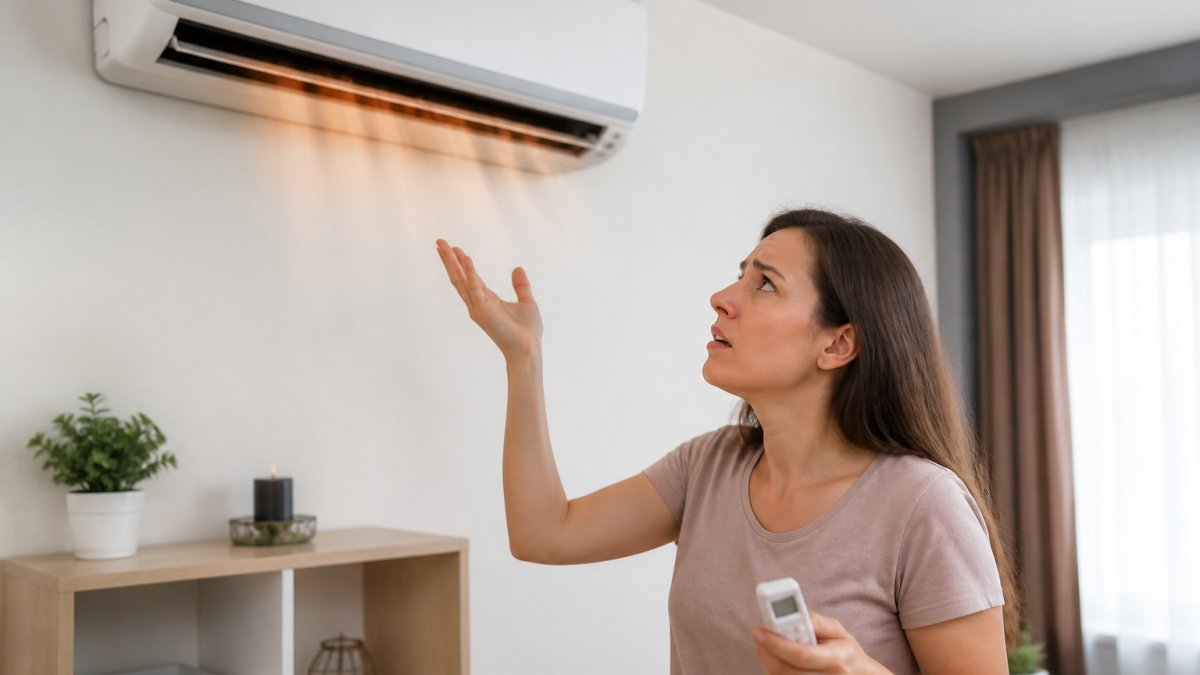
When your AC blow warm air, something is preventing proper cooling.
Home AC systems use indoor and outdoor units connected by refrigerant lines. They cool your entire house through ductwork or wall units. Car AC systems are self-contained within the vehicle engine compartment.
Many underlying problems are similar, low refrigerant, compressor failure, electrical faults, and airflow blockages cause warm air in both systems, but repair processes and costs differ dramatically.
This guide helps you identify which system you're dealing with, diagnose the problem safely, and know when to call a professional.
Why Does My AC Blow Warm Air: The Most Common Causes
When your AC blows warm air, something is preventing proper cooling. Understanding the most common causes helps you act quickly.
Low Refrigerant or a Refrigerant Leak
Refrigerant absorbs heat from your home or car and transfers it outside. When levels drop, your system cannot cool effectively, and you'll notice warm air from vents even though the system runs.
Low refrigerant happens for one reason: a leak. A sealed system should maintain the same charge for years; if levels drop, there's a hole somewhere.
Common leak locations include:
- Connection points where refrigerant lines meet components
- Copper tubing that can develop pinhole cracks
- The evaporator coil, which corrodes over time
- Compressor seals that wear out
A refrigerant leak is serious because ignoring it damages the compressor, refrigerant lubricates moving parts, and without it, metal-on-metal friction destroys the compressor within weeks.
Compressor or Compressor-Clutch Failure
The compressor pressurizes refrigerant and forces it through the cooling cycle. Without a working compressor, no cooling happens.
In car AC systems, the compressor engages and disengages via a clutch mechanism. When the clutch fails, the compressor doesn't turn on, and warm air blows instead of cold.
Early signs of compressor failure include warm air slightly cooler than ambient temperature, frequent cycling, grinding or squealing noises, or compressor not engaging at all.
Once the compressor fails, repair costs are significant because replacement is required. Rebuilding is rarely cost-effective.
Electrical Faults and Capacitor Problems
A failed capacitor, broken contactor, or wiring issue stops the system cold.
The capacitor helps the compressor motor start. When it fails, the compressor won't turn on, you'll see the outdoor unit fan running but hear no compressor noise.
Common electrical issues include:
- Blown capacitor (swollen, leaking, or visibly damaged)
- Corroded electrical connections
- Tripped breaker or blown fuse
- Failed contactor that controls power to the compressor
Thermostat, Wiring, or Control Issues
A malfunctioning thermostat sends wrong signals or no signals at all.
A broken thermostat may not turn on, run continuously without cooling, show incorrect temperature, or fail to respond to adjustments.
Damaged or loose wires, corroded connections, or incorrect installation prevent proper communication and cause cooling failures.
Blocked Airflow or Dirty Coils
When airflow is blocked, the system runs but doesn't cool effectively.
Dirty coils reduce heat transfer dramatically. The evaporator coil inside collects dust and debris; the condenser coil outside accumulates dirt, leaves, and pollen.
Blocked return air vents, clogged ductwork, or closed registers restrict airflow and reduce cooling delivery.
Cooling-Fan Problems
The condenser fan pulls air across the condenser coil to release heat. If the fan doesn't run, heat can't escape, and the system can't cool.
Signs of fan failure include:
- Outdoor unit running but no fan noise
- Warm air from vents despite system operation
- System shutting down after running briefly
AC Blowing Warm Air Troubleshooting: Safe Checks You Can Do Now
Before calling a technician, you can safely inspect several components in 15 to 30 minutes.
Step 1: Check Your Thermostat Settings
Start with the simplest check.
Verify these settings:
- Mode is set to "Cool" (not "Heat" or "Auto")
- Temperature setting is lower than the current room temperature
- Fan is set to "Auto" or "On"
- System is powered on
Many warm-air problems stem from incorrect thermostat settings. If the mode is set to "Heat" or "Fan Only," the system won't cool.
Try adjusting the temperature down by 5 degrees. Wait 5 minutes. Do you hear the outdoor unit kick on?
Step 2: Inspect and Replace Your Air Filter
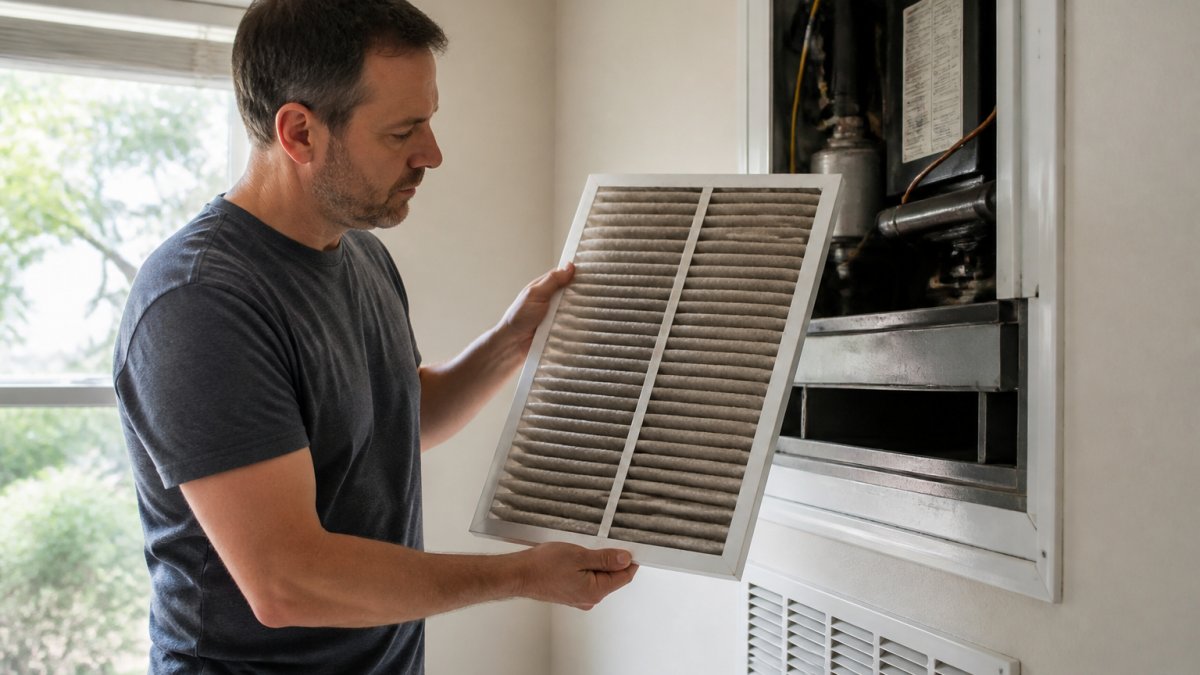
A clogged air filter restricts airflow and reduces cooling capacity, the most common cause of reduced cooling performance.
Your air filter is usually located in a return-air vent or blower compartment.
Check the filter:
- Hold it up to light. Can you see through it?
- Is it visibly clogged with dust and debris?
- Does it feel stiff or heavy?
If the filter is dirty, replace it. This single step solves warm-air problems in many homes.
Replace filters every 30 to 90 days; check monthly during peak cooling season.
Step 3: Look for Ice Buildup on the Indoor Unit
Ice on the evaporator coil blocks airflow and prevents cooling.
Locate your indoor unit and look for visible ice on the copper tubing or coil.
If you see ice, turn off the system immediately, allow 2 to 4 hours for melting, check the air filter, and ensure return-air vents aren't blocked.
Step 4: Verify Outdoor Unit Operation
Listen near the unit for compressor humming and fan spinning.
If the fan runs but the compressor doesn't hum, a refrigerant leak, electrical failure, or compressor problem is likely.
If neither runs, check your breaker, a tripped breaker cuts power to the outdoor unit.
Look for bent fins, debris, disconnected wires, or oily residue indicating refrigerant leaks.
Clear debris and ensure at least 2 feet of clearance on all sides.
Dirty Air Filter AC Symptoms and What They Mean
A dirty air filter causes several symptoms beyond warm air.
Reduced airflow from vents. Weak air from registers indicates the clogged filter blocks air from reaching the evaporator coil.
Higher energy bills. A dirty filter increases runtime and electricity consumption by 15% or more.
Uneven cooling. Blocked airflow concentrates cold air in certain areas while starving others.
Ice on the evaporator coil. A dirty filter reduces airflow so much that the coil freezes, blocking remaining airflow.
Musty or stale odors. A dirty filter traps dust, pet dander, and mold spores that create unpleasant smells.
Frozen Evaporator Coil Symptoms: When to Stop Using Your System
A frozen evaporator coil is serious, ice buildup blocks airflow and can damage the compressor. Stop using the system immediately.
Frozen coil symptoms include:
- Visible ice or frost on the indoor unit
- Little to no airflow from vents
- System running but producing warm air
- Water pooling around the indoor unit
- Hissing or gurgling sounds from the system
A frozen coil develops from severely restricted airflow, low refrigerant, below-freezing outdoor operation, or extended system runtime without proper cycling.
What to do:
- Turn off the system immediately. Do not run it.
- Allow 2 to 4 hours for the ice to melt naturally.
- Check and replace the air filter.
- Ensure all return-air vents are open and unblocked.
- If ice returns within 24 hours, stop using the system and call a professional.
Running the system with a frozen coil damages the compressor, it draws in liquid refrigerant instead of vapor, often requiring full replacement.
AC Refrigerant Leak Signs and Why This Requires Professional Repair
A refrigerant leak is one of the most common reasons your AC blows warm air. Only licensed technicians can handle refrigerant, it's a controlled substance.
Signs of a refrigerant leak include:
- Warm air from vents despite system running
- Hissing or bubbling sounds near the outdoor unit or indoor unit
- Oily residue around refrigerant line connections
- Reduced cooling that worsens over weeks
- Ice on the evaporator coil
- System running longer than usual to reach target temperature
Why this requires a professional: Refrigerant is EPA-regulated (the EPA). Only certified technicians can legally purchase and install it; attempting this yourself is illegal and ineffective.
A proper repair involves locating the leak, removing all refrigerant, repairing or replacing the leaking component, evacuating the system, and refilling with the correct type and amount.
This process depends on leak location and component damage.
Prevention: Annual inspection before cooling season identifies corrosion, loose connections, and early leak signs.
When to Call an HVAC Technician: Urgency and Repair Costs
Call within a few days if:
- The system cools slightly but not enough
- Airflow is weak but present
- You've replaced the filter and the problem persists
- One or two rooms aren't cooling
What a technician will do: A professional inspection includes checking refrigerant levels, testing electrical components, inspecting coils, measuring airflow, and diagnosing the root cause.
At Air CareSaver, we provide same-day response and free estimates. Our licensed technicians (#1054832) use accurate diagnostics to identify the exact problem without unnecessary guesswork.
Repair cost factors: Costs vary based on the problem, system age, and component availability. A simple fix like replacing a capacitor costs less than a compressor replacement. Refrigerant refills cost less than repairing a leak.
A professional can advise whether repair or replacement makes sense for your situation.
Prevention: Maintenance Steps to Avoid Warm-Air Problems
The best approach is preventing problems before they start. Regular maintenance keeps your system running efficiently and catches issues early.
Monthly tasks:
- Check and replace the air filter if dirty
- Ensure all return-air vents are open and unblocked
- Verify thermostat settings are correct
- Listen for unusual noises from the outdoor unit
Seasonal tasks (before cooling season begins):
- Have a professional inspect the system
- Clean debris from around the outdoor unit
- Check refrigerant levels
- Test electrical connections
- Inspect coils for dirt or corrosion
Annual professional maintenance: Schedule a maintenance visit before summer. A technician will:
- Clean indoor and outdoor coils
- Check all electrical connections
- Verify refrigerant levels and pressure
- Test the thermostat
- Lubricate moving parts
- Identify potential problems early
Preventative maintenance costs a fraction of emergency repairs.
Your AC blowing warm air is fixable. Many problems have simple solutions like replacing an air filter or adjusting thermostat settings. Others require professional repair. The key is diagnosing the cause quickly so you can act.
If your basic checks don't solve the problem, professional help is your next step. Air CareSaver offers free estimates and same-day response to get your system cooling again. Our licensed technicians provide accurate diagnostics and honest advice about repair versus replacement.
Frequently Asked Questions
Should I turn off the AC if it is blowing warm air?
Yes, if you notice warm air and suspect a refrigerant leak or frozen evaporator coil, turn off the system immediately. Continuing to run a low-refrigerant AC or one with a frozen coil can damage the compressor, leading to expensive repairs. A thermostat or control issue is usually safe to leave on while you troubleshoot, but if you see ice buildup or smell burning, stop operation and call a technician right away.
Can a dirty air filter make an AC blow warm air?
A dirty air filter restricts airflow through the evaporator coil, which can cause the coil to freeze over. When the coil freezes, the system cannot absorb heat from your home, so you get warm or barely cool air. Replacing a clogged filter is one of the first and easiest troubleshooting steps. Check your filter monthly and replace it every 1-3 months, depending on dust, pets, and system use.
Could a frozen evaporator coil cause warm air from the vents?
Yes. A frozen evaporator coil cannot absorb heat, so the air passing over it remains warm or only slightly cool. Causes include low refrigerant, restricted airflow from a dirty filter or blocked vents, or a malfunctioning blower fan. If you see ice on the indoor unit or notice warm air along with reduced flow, turn off the system and let the coil thaw for a few hours before running it again. If it refreezes, call a professional.
When should I call an HVAC technician for an AC blowing warm air?
Call a technician if warm air persists after you've checked the thermostat, replaced the air filter, and confirmed the outdoor unit is running. Also call immediately if you suspect a refrigerant leak (hissing sounds, oily residue), see ice buildup, smell burning, or hear unusual compressor noises. A licensed technician can safely diagnose and repair electrical, compressor, and refrigerant issues that DIY checks cannot address.