 listicle
Signs of Poor Indoor Air Quality: A Diagnostic Guide
Table of Contents
- Physical Symptoms of Poor Indoor Air Quality
- How Poor Indoor Air Quality Affects Respiratory Health
- Common Causes of Indoor Air Pollution
- How to Test Indoor Air Quality
- Recognizing Carbon Monoxide Poisoning and Other Hazards
- Benefits of Professional HVAC Maintenance
- Short-Term Versus Long-Term Health Effects
- Sick Building Syndrome: A Diagnostic Framework
- Frequently Asked Questions
Last Updated: August 18, 2026
Physical Symptoms of Poor Indoor Air Quality
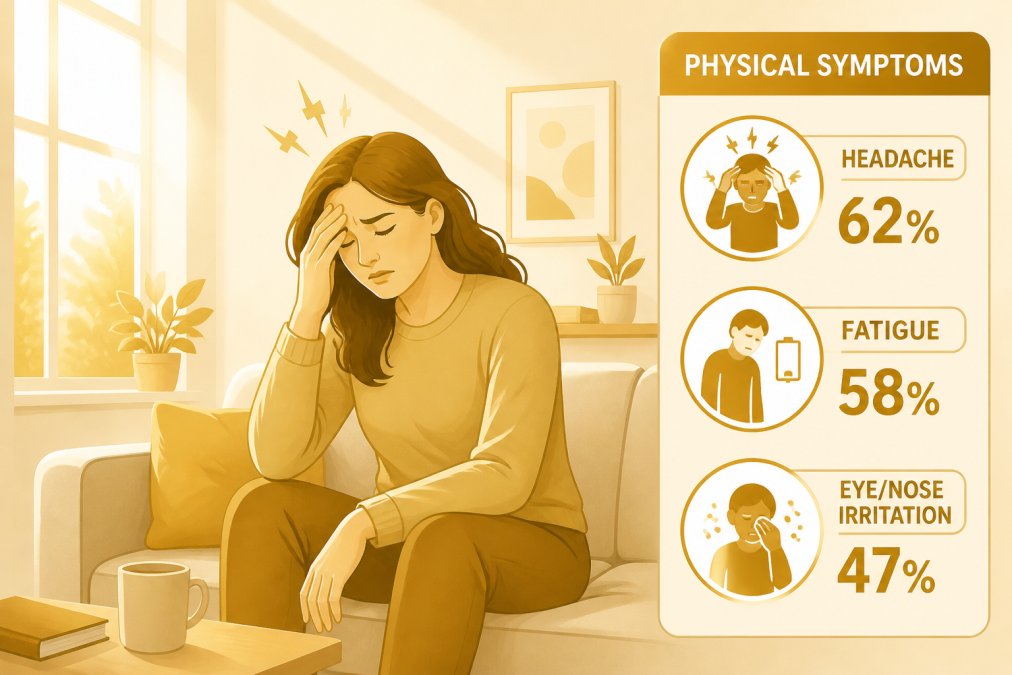
Poor indoor air quality triggers physical symptoms often misattributed to allergies or stress. Headaches, fatigue, and respiratory irritation frequently stem from the air you're breathing indoors. At Air CareSaver, we've helped countless homeowners connect unexplained symptoms to hidden air quality problems that proper HVAC maintenance can resolve.
Respiratory and Upper Airway Irritation
Coughing, throat irritation, and nasal congestion often intensify indoors and improve outdoors, a red flag that your indoor environment contains pollutants your respiratory system is fighting. Shortness of breath and wheezing can develop gradually as you spend more time in spaces with compromised air quality, worsening during seasons when windows stay closed and your HVAC system recirculates the same air repeatedly.
Eye irritation frequently accompanies respiratory symptoms. Dry, itchy eyes that feel worse indoors suggest exposure to volatile organic compounds, dust, or other airborne irritants.
Neurological and Systemic Effects
Headaches are perhaps the most underdiagnosed sign of air quality problems, often occurring in the afternoon after prolonged indoor exposure and dissipating when you leave the building. Fatigue and difficulty concentrating represent another category of air quality-related symptoms. Carbon dioxide accumulation in poorly ventilated spaces reduces cognitive function; you may notice afternoon energy crashes, brain fog, or inability to focus on normally manageable tasks.
Dizziness and nausea can indicate serious air quality issues, particularly carbon monoxide exposure. If multiple household members experience these symptoms simultaneously, especially near heating equipment, seek professional air quality testing immediately.
How Poor Indoor Air Quality Affects Respiratory Health
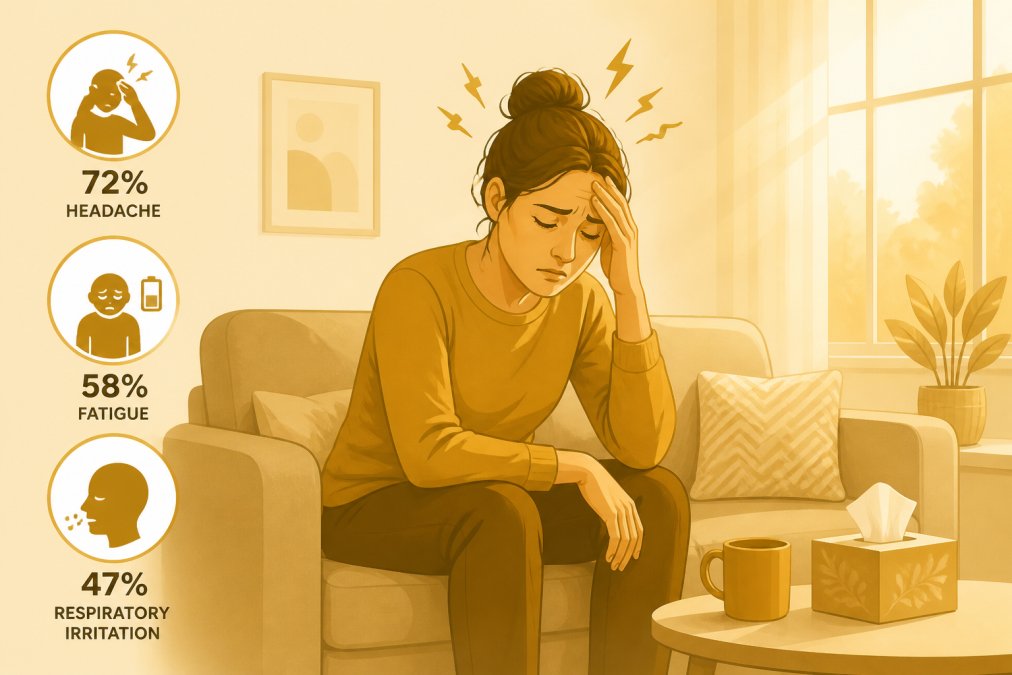
Respiratory health deteriorates measurably in environments with compromised air quality. Indoor air pollution contains multiple hazards: particulate matter (dust, pollen, pet dander), biological contaminants (mold, bacteria, viruses), and chemical pollutants (volatile organic compounds, carbon monoxide).
Impact on Asthma and Chronic Obstructive Pulmonary Disease
For people with asthma, poor indoor air quality acts as a direct trigger. Particulate matter, mold spores, and volatile organic compounds irritate airways and provoke inflammatory responses. Asthma sufferers often experience increased frequency and severity of attacks in homes with unaddressed air quality problems; better air quality typically produces fewer symptoms within days.
Chronic obstructive pulmonary disease (COPD) patients have permanently compromised lung function, making them especially vulnerable to indoor air pollutants. Exposure to poor air quality accelerates COPD progression and increases hospitalization risk. For COPD patients, maintaining excellent indoor air quality is essential health management. Professional HVAC inspection and maintenance remove pollution sources and optimize air exchange rates.
Common Causes of Indoor Air Pollution
Most homes contain multiple pollution sources operating simultaneously. The cumulative effect, especially in tightly sealed modern homes, creates measurable air quality degradation.
Off-Gassing and Volatile Organic Compounds
Volatile organic compounds (VOCs) are gases emitted from household materials and products. New furniture, carpeting, paint, adhesives, and cleaning products all release VOCs into your indoor air. This off-gassing process is most intense immediately after purchase but continues for months or years.
Common VOC sources include formaldehyde from pressed wood products, benzene from paints and solvents, toluene from paint thinners, and xylene from varnishes. Symptoms range from minor (headaches, eye irritation) to serious (respiratory problems, neurological effects). Improving ventilation and allowing adequate air exchange reduces VOC concentrations significantly.
Biological Contaminants and Mold
Mold and mildew thrive in humid indoor environments, particularly in bathrooms, basements, and poorly ventilated areas. Mold spores become airborne and trigger allergic reactions, respiratory irritation, and asthma attacks. Humidity levels above 50% create ideal conditions for mold growth. Your HVAC system plays a critical role in humidity management; when air conditioning or dehumidification systems malfunction, indoor humidity climbs and mold proliferates.
Dust mites, pet dander, and pollen accumulate in poorly maintained HVAC systems. Dirty filters, ductwork, and air handlers become reservoirs for these allergens, recirculating particles throughout your home with each cycle.
How to Test Indoor Air Quality
Testing reveals whether your indoor air quality is compromised and which pollutants are present. Testing ranges from simple DIY approaches to comprehensive professional diagnostics.
DIY Testing Options
DIY testing kits provide baseline information about air quality. Radon testing using First Alert radon test kits detects this colorless, odorless radioactive gas over 2-4 days. Mold testing kits like the PRO-LAB mold test use petri dishes for lab analysis at roughly $10-20 plus lab fees. Air quality monitors like the Temtop P10 measure particulate matter, formaldehyde, and volatile organic compounds with handheld displays.
DIY testing works best for initial screening, answering whether a problem exists but not always identifying all sources or providing comprehensive solutions.
Professional Air Quality Monitoring
Professional testing delivers comprehensive diagnostics that DIY approaches cannot match. Air CareSaver's HVAC inspection service assesses your heating and cooling system's impact on indoor air quality, evaluating ventilation rates, ductwork integrity, filter condition, and overall air exchange efficiency.
Advanced monitoring devices like the AirGradient ONE measure nine air quality parameters including PM2.5, CO2, TVOCs, NOx, temperature, and humidity. Professional HVAC maintenance addresses root causes of poor air quality: dirty filters, blocked vents, leaking ducts, and malfunctioning dampers. Air CareSaver's free estimates ensure you understand exactly what's wrong before committing to repairs.
Recognizing Carbon Monoxide Poisoning and Other Hazards
Carbon monoxide represents the most dangerous indoor air pollutant because it's invisible, odorless, and potentially fatal. Sources include faulty furnaces, blocked chimneys, improperly maintained water heaters, gas stoves, and attached garages with running vehicles.
Symptoms of carbon monoxide poisoning include headaches, dizziness, weakness, nausea, vomiting, chest pain, and confusion. Multiple household members experiencing these symptoms simultaneously, especially near heating equipment, suggests carbon monoxide exposure requiring immediate evacuation and professional HVAC inspection.
Kidde carbon monoxide detectors provide essential protection, sounding an alarm when CO levels reach dangerous concentrations. Every home should have at least one CO detector, ideally near bedrooms. Professional HVAC inspection identifies carbon monoxide sources before they become dangerous, catching cracked heat exchangers, blocked vents, and improper combustion during routine maintenance.
Benefits of Professional HVAC Maintenance
Professional HVAC maintenance directly improves indoor air quality by addressing system-level problems. Your heating and cooling system is the primary mechanism for controlling what you breathe indoors. When it functions properly, it filters, exchanges, and conditions air effectively; when it fails, air quality deteriorates rapidly.
Regular maintenance extends HVAC system lifespan, improves energy efficiency, and prevents expensive emergency repairs. Air CareSaver's maintenance plans provide year-round protection. Our licensed technicians (#1054832) perform comprehensive inspections, identify developing problems, and address them before escalation. Same-day response and free estimates ensure transparency without pressure for unnecessary services.
Homeowners who maintain their HVAC systems consistently report better sleep, fewer respiratory symptoms, and improved overall wellness.
Short-Term Versus Long-Term Health Effects
Poor indoor air quality produces both immediate and delayed health consequences. Short-term effects appear within hours or days: headaches, eye irritation, throat irritation, and fatigue. These symptoms often improve within hours of moving to fresher air, suggesting the problem is environmental.
Long-term effects develop from chronic exposure. Respiratory function declines gradually. Asthma and allergies worsen. Cognitive function diminishes. Cardiovascular stress increases from prolonged exposure to particulate matter. These effects can become permanent if exposure continues unchecked.
Research shows that improving indoor air quality produces measurable health improvements within weeks: better sleep, decreased respiratory symptoms, elevated energy levels, and sharpened cognitive function.
Sick Building Syndrome: A Diagnostic Framework
Sick Building Syndrome (SBS) describes a condition where building occupants experience acute health symptoms linked to time spent in the building, with no specific illness identified. Symptoms include headaches, fatigue, eye/nose/throat irritation, difficulty concentrating, respiratory irritation, nausea, and dizziness.
SBS differs from specific diagnoses because it doesn't involve infection, allergy, or disease. Instead, it reflects cumulative exposure to multiple air quality stressors: poor ventilation, high CO2, VOCs, biological contaminants, and inadequate humidity control. Symptoms improve when you leave the building and worsen when you return.
Addressing SBS requires systematic improvement of indoor air quality through improved ventilation, upgraded HVAC filtration, humidity control, removal of VOC sources, professional ductwork cleaning, and regular maintenance. Air CareSaver's comprehensive HVAC diagnostics identify specific air quality contributors in your home, pinpointing problems for targeted fixes. Many homeowners experience SBS symptom resolution within weeks of addressing identified air quality issues.
Poor indoor air quality creates measurable health consequences extending far beyond temporary discomfort. The symptoms you're experiencing, headaches, fatigue, respiratory irritation, signal that your home's air needs professional attention. Air CareSaver provides accurate diagnostics and proven solutions to restore your indoor environment. Our 21+ years of licensed expertise (#1054832), same-day response, and free estimates ensure you understand exactly what's wrong before committing to repairs. Get your free quote today and discover how professional HVAC maintenance transforms your home's air quality and your family's health.
Frequently Asked Questions
How do I know if my indoor air quality is bad?
Poor indoor air quality often shows through physical symptoms like persistent headaches, respiratory irritation, eye and throat irritation, or unusual fatigue. Visible signs include mold growth, dust accumulation, musty odors, or condensation on windows. You may also notice your symptoms improve when you leave your home. The most reliable way is to test your air using a monitor that measures particulate matter, CO2, and volatile organic compounds. Professional HVAC inspection can identify ventilation issues and airborne contaminants causing the problem.
What are the common causes of indoor air pollution?
Indoor air pollution comes from multiple sources. Off-gassing from new furniture, carpets, and building materials releases volatile organic compounds (VOCs). Inadequate ventilation traps pollutants indoors. Biological contaminants like mold, dust mites, and pollen accumulate when humidity levels are too high. Combustion sources such as gas stoves, fireplaces, and unvented heaters produce carbon monoxide and nitrogen dioxide. Pet dander, cleaning products, and poor air exchange rates all contribute to declining indoor air quality. HVAC systems with dirty filters or ductwork also recirculate pollutants throughout your home.
Can poor indoor air quality cause long-term health issues?
Yes. Long-term exposure to poor indoor air quality can lead to chronic respiratory conditions, cognitive deficits, and worsening of pre-existing asthma or COPD. Prolonged exposure to volatile organic compounds and particulate matter increases risks for cardiovascular disease and respiratory illnesses. Individuals with hypersensitivity or allergic reactions may develop chronic inflammation. Children and elderly residents face higher risks. This is why professional HVAC maintenance and regular air quality testing are essential, they prevent cumulative damage from airborne contaminants and ensure your ventilation system removes pollutants effectively.
How do I test for poor indoor air quality without professional help?
Several DIY options exist. Radon test kits like the First Alert kit use charcoal sampling and provide lab results within days. Mold test kits such as PRO-LAB detect mold species through petri dish sampling. For broader monitoring, handheld devices like the Temtop P10 measure particulate matter and formaldehyde. Battery-operated monitors like Airthings Wave Plus track CO2, TVOCs, and humidity. Carbon monoxide detectors are essential safety devices every home needs. However, professional HVAC inspection identifies ventilation problems and air exchange rates that DIY tools cannot assess, making professional evaluation valuable for comprehensive diagnosis.
This article was written using GrandRanker