 how-to
Signs HVAC Repair Is Unnecessary: A Diagnostic Guide
Table of Contents
- When HVAC Repair Is Actually Unnecessary
- Common HVAC Problems and Solutions You Can Handle Yourself
- How to Reset Your HVAC System Before Calling a Technician
- HVAC Maintenance Checklist to Prevent Unnecessary Repairs
- When You Actually Need Professional Help
- Maintenance vs. Repair: The Cost-Benefit Reality
- Frequently Asked Questions
Last Updated: August 16, 2026
When HVAC Repair Is Actually Unnecessary
Not every HVAC problem requires a technician visit. Many homeowners panic at the first sign of trouble when a simple fix would solve the issue. Understanding which problems you can handle yourself and which ones demand professional attention saves both time and money while preventing unnecessary repair bills.
At Air CareSaver, we've spent over 21 years diagnosing HVAC systems. This guide walks you through the most common HVAC problems you can fix, how to troubleshoot them, and the clear warning signs that mean you need to call someone.
Common HVAC Problems and Solutions You Can Handle Yourself
Many HVAC issues stem from simple maintenance oversights or minor adjustments rather than equipment failure. Before you schedule a service call, check these four common culprits.
Dirty or Clogged Air Filter
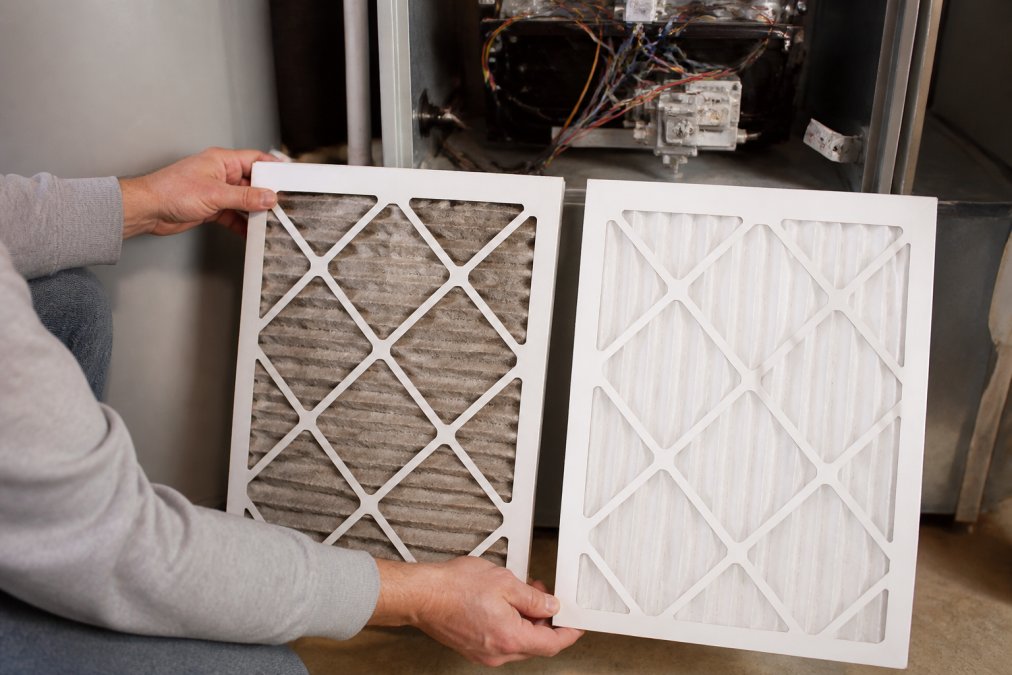
A clogged air filter is one of the most common reasons HVAC systems underperform. When dust and debris accumulate, airflow restriction reduces efficiency and can trigger false error codes or cause excessive cycling.
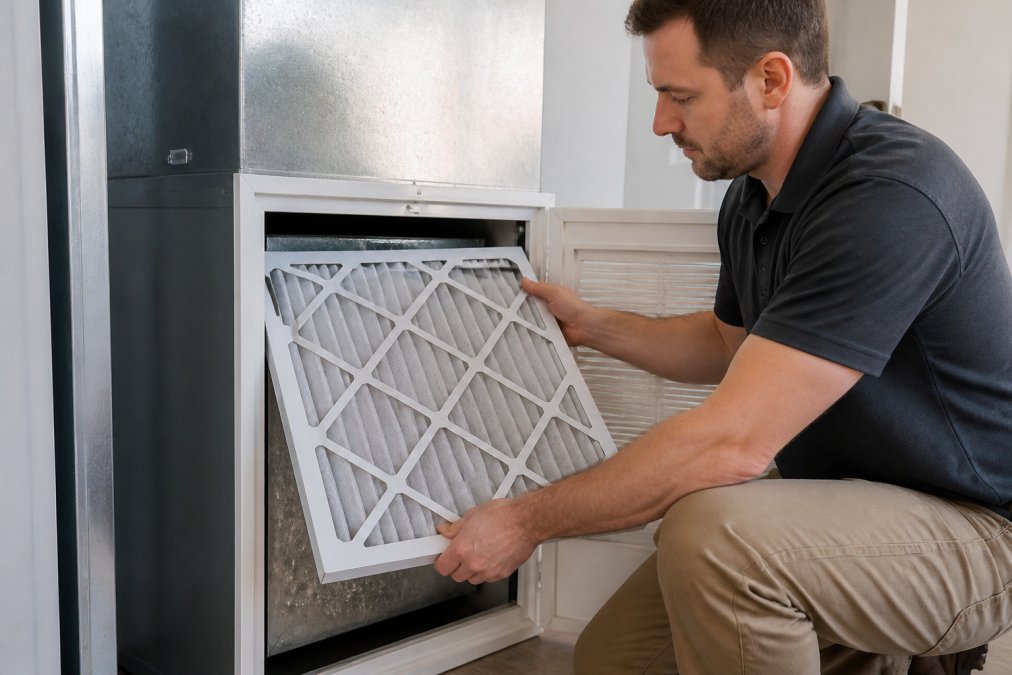
The fix is straightforward: replace your air filter. Most residential systems use standard filters costing $10-30 that take under five minutes to swap out. Check your filter monthly during heavy-use seasons and replace it every 90 days or when visibly dirty. If you have pets or live in a dusty area, check more frequently.
To replace your filter, locate your HVAC unit's filter compartment (usually near the furnace or air handler), note the filter size, and slide out the old filter. Insert the new filter with the arrow pointing toward the furnace, ensuring it fits snugly without gaps.
Thermostat Calibration Issues
A thermostat that reads the wrong temperature or fails to trigger your HVAC system often points to calibration problems, not system failure. If your home feels too hot or too cold despite adjusting the thermostat, the issue may be miscalibration.
Check whether your thermostat is level and away from direct sunlight, heat sources, or cold drafts, these environmental factors skew temperature readings. Compare your thermostat's reading to a standalone thermometer placed nearby. A difference of more than 2 degrees suggests calibration drift.
For programmable or smart thermostats, try a factory reset by consulting your manual for specific steps. After resetting, reprogram your preferred temperature schedule. If your thermostat is over 10 years old and resetting doesn't help, replacement is usually cheaper than a service call.
Blocked Vents and Ductwork
Weak or uneven airflow throughout your home often results from blocked vents or closed dampers rather than compressor failure. Walk through your home and check every supply vent (where air comes out) and return vent (where air gets pulled back in). Furniture, curtains, rugs, or debris can all restrict airflow.
Close vents in rooms you don't use frequently to redirect airflow to occupied spaces. However, don't close more than 10-15% of your vents, as excessive blockage forces your system to work harder. If you have a multi-zone HVAC system with dampers, check that dampers for occupied zones are open and dampers for unused zones are closed.
For supply vents in walls or ceilings, vacuum around them to remove dust buildup. If a vent feels completely blocked, you may have debris or a collapsed section of ductwork inside, which requires professional inspection.
Condensate Drain Blockage
Your HVAC system's condensate drain removes moisture from the air during cooling. A blocked condensate drain causes water to back up, potentially triggering a safety switch that shuts down your system or creating water damage.
Locate your condensate drain line, usually a small PVC pipe running from your air handler toward a floor drain or outside. If the line is clogged, you can often clear it yourself using a wet/dry vacuum or plumbing snake. Turn off your system first, then gently insert the snake or vacuum hose into the drain opening and work out the clog. Flush the line with distilled water afterward.
To prevent future blockages, pour a cup of distilled water mixed with a tablespoon of white vinegar down the drain line monthly during cooling season. This keeps algae and mineral buildup from forming.
How to Reset Your HVAC System Before Calling a Technician
Many HVAC systems have built-in safety switches that shut them down when they detect a problem. Sometimes these switches trip for minor reasons, and a simple reset restores normal operation.
First, locate your HVAC system's circuit breaker, often labeled "HVAC," "Furnace," or "Air Conditioner." Turn the breaker off and wait 30 seconds to allow the system's control board to fully power down and reset any temporary errors.
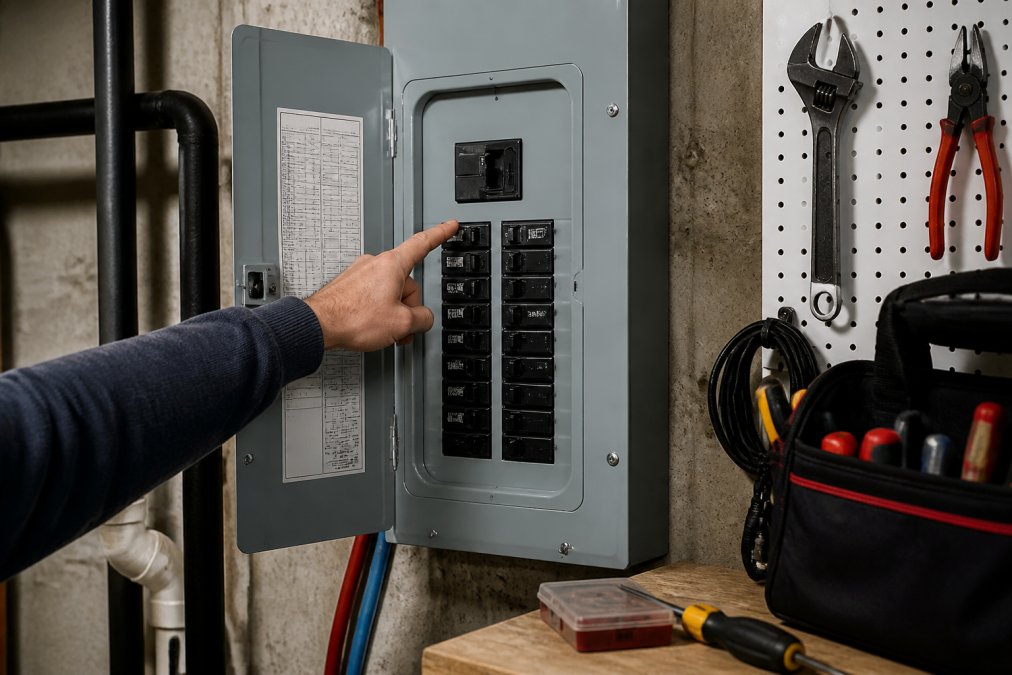
After 30 seconds, flip the breaker back on. Listen for the system to power up and set your thermostat to your desired temperature. Give the system 5-10 minutes to respond. If the system starts running normally, the reset worked.
If the system doesn't respond, check for error codes on the thermostat or control board. Write down any codes and look them up in your system's manual or online, many codes point to simple fixes like a clogged filter or blocked drain. Only if the system fails to start or displays an unresolvable code should you contact a technician.
HVAC Maintenance Checklist to Prevent Unnecessary Repairs
Preventative maintenance is the single best way to avoid unnecessary HVAC repair calls. A well-maintained system runs efficiently, lasts longer, and signals problems before they become expensive.
| Maintenance Task | Frequency | Impact |
|---|---|---|
| Check and replace air filter | Every 90 days (monthly in heavy-use seasons) | Prevents airflow restriction and system overwork |
| Inspect visible ductwork for leaks or damage | Seasonally (spring and fall) | Improves energy efficiency and prevents conditioned air loss |
| Clear supply and return vents of obstructions | Monthly | Ensures even temperature distribution |
| Flush condensate drain line with vinegar and water | Monthly during cooling season | Prevents drain blockage and water damage |
| Check thermostat accuracy against standalone thermometer | Quarterly | Ensures system responds to correct temperature signals |
| Inspect outdoor condenser unit for debris | Monthly during cooling season | Maintains proper heat exchange and prevents overheating |
| Listen for unusual noises (grinding, squealing, rattling) | Ongoing | Early detection of compressor or motor issues |
| Monitor utility bills for unexpected spikes | Monthly | Flags efficiency loss before system failure |
Monthly maintenance takes 15-30 minutes and costs nothing beyond basic supplies. Seasonal maintenance, like having a professional clean your condenser coils or inspect refrigerant levels, typically costs $150-300 and prevents thousands in emergency repair bills.
When You Actually Need Professional Help
Not all HVAC problems are DIY-friendly. Knowing when to call a professional protects your system and your warranty.
Strange or unusual noises signal mechanical problems beyond basic troubleshooting. A grinding noise often indicates compressor damage. Squealing usually points to a failing blower motor or refrigerant leak. Rattling may suggest loose components or ductwork damage.
Refrigerant leaks require licensed technicians. If your system is low on refrigerant, it won't cool properly. Refrigerant handling is regulated and requires EPA certification.
Electrical component failures like a faulty capacitor, contactor, or control board are dangerous and require professional replacement. These components carry high voltage and improper handling can cause injury or fire.
Unpleasant odors or burning smells from your HVAC system indicate serious problems. A musty smell suggests mold in your ductwork or evaporator coil. A burning odor may indicate electrical overheating or motor failure.
Refrigerant or water leaks around your furnace or air handler demand professional attention. Water leaks can damage your home's structure and indicate a failed condensate drain, cracked coil, or ductwork issue.
Inconsistent or uneven temperatures that persist after you've checked vents and adjusted your thermostat may indicate compressor failure, a broken expansion valve, or ductwork problems.
High energy bills without explanation often signal that your HVAC system is working inefficiently due to compressor wear, refrigerant loss, or internal component failure.
Short cycling, when your system starts and stops frequently without reaching your set temperature, suggests a refrigerant leak, electrical issue, or thermostat malfunction.
System age matters too. If your HVAC unit is 15+ years old and requires frequent repairs, replacement often makes more financial sense than continued repair.
Maintenance vs. Repair: The Cost-Benefit Reality
Understanding the difference between maintenance and repair helps you make smarter decisions about your HVAC system's care. Maintenance prevents problems; repair fixes them after they occur.
Preventative maintenance typically costs $150-300 annually for a professional tune-up. This includes cleaning coils, checking refrigerant levels, inspecting electrical connections, and testing system performance. Homeowners who maintain their systems regularly report fewer emergency repairs and systems that last 15-20 years.
Emergency repairs can cost $500-3,000+ depending on what fails. A compressor replacement alone runs $1,500-2,500. A refrigerant leak diagnosis and repair might cost $800-1,500. These costs pile up quickly, especially if multiple components fail.
Spending $300 annually on maintenance prevents emergency repairs that cost 5-10 times more. Regular maintenance can lead to fewer unexpected breakdowns and lower overall repair costs over a system's lifespan.
Maintenance also improves energy efficiency. A clean system with proper refrigerant levels and balanced airflow uses less electricity to heat and cool your home. Many homeowners see 10-15% reductions in utility bills after addressing efficiency issues.
When minor repairs are needed, like replacing an air filter or clearing a drain, addressing them immediately prevents escalation. A clogged drain that causes water backup can damage your furnace. A dirty filter that reduces airflow can stress your compressor.
The decision to repair versus replace depends on your system's age and repair history. If your system is under 10 years old and this is its first major repair, fixing it usually makes sense. If your system is 15+ years old and you've had multiple repairs in the past two years, replacement is often more economical.
Many homeowners assume that any HVAC problem requires professional repair, but the reality is far more nuanced. A clogged air filter, thermostat miscalibration, blocked vents, or condensate drain blockage can often be fixed in minutes without calling anyone. The key is knowing which problems fall into the DIY category and which ones demand professional expertise. Air CareSaver's 21+ years of experience shows that homeowners who understand these distinctions avoid unnecessary service calls and catch real problems before they become expensive emergencies. When you do need help, our same-day response and free estimates ensure you get honest diagnostics without guesswork or upselling. Get your free quote today and discover how accurate HVAC diagnostics can protect your comfort and your budget.
Frequently Asked Questions
Is HVAC maintenance really necessary, or can I skip it if my system seems to be working fine?
Yes, preventative maintenance is worth the investment. Regular maintenance catches small issues before they become expensive repairs, extends your HVAC system's lifespan, and keeps your energy bills lower. Many homeowners who skip maintenance end up paying for emergency service calls and premature system replacement. A professional inspection once or twice yearly costs far less than the breakdown it prevents.
What are common HVAC issues that don't actually require a technician?
Dirty air filters, blocked vents, thermostat calibration problems, and condensate drain clogs are often fixable without professional help. A clogged filter might cause weak airflow or temperature imbalance; clearing blocked vents can restore balance throughout your home. Resetting your HVAC system can also solve short cycling or frequent on-off behavior. These DIY fixes save you a service call and often resolve the issue in minutes.
When should an HVAC system be replaced instead of repaired?
If your HVAC unit is 15+ years old and requires a major repair (compressor failure, refrigerant leak, or electrical component failure), replacement often makes more financial sense than repair. A system nearing the end of its lifespan will face declining energy efficiency and frequent breakdowns. Get a professional assessment comparing repair cost versus replacement cost; if repair exceeds 50% of a new system's price, replacement is typically the better choice.
Can I fix my own HVAC system, or do I need a licensed technician?
You can handle basic maintenance tasks like filter changes, vent clearing, and thermostat adjustments. However, refrigerant handling, electrical repairs, and compressor work require a licensed HVAC technician due to safety and legal requirements. Attempting these yourself can damage your system, void the warranty, and create safety hazards. Know your limits: simple maintenance yes, major repairs no.
This article was written using GrandRanker