 how-to
Signs Your HVAC Needs Replacement in 2026
Table of Contents
- 1. Your HVAC System Is Older Than 15 Years
- 2. Repair Costs Exceed the 50% Rule
- 3. Your AC Is Running Constantly Without Cooling Properly
- 4. Energy Bills Have Spiked Unexpectedly
- 5. Strange Noises, Weak Airflow, or Poor Temperature Control
- HVAC Repair vs Replace Calculator: Making the Decision
- Energy Efficiency and Rebates: Why Replacement Pays Off
- Next Steps: Get a Free Diagnostic
- Frequently Asked Questions
Last Updated: August 21, 2026
1. Your HVAC System Is Older Than 15 Years
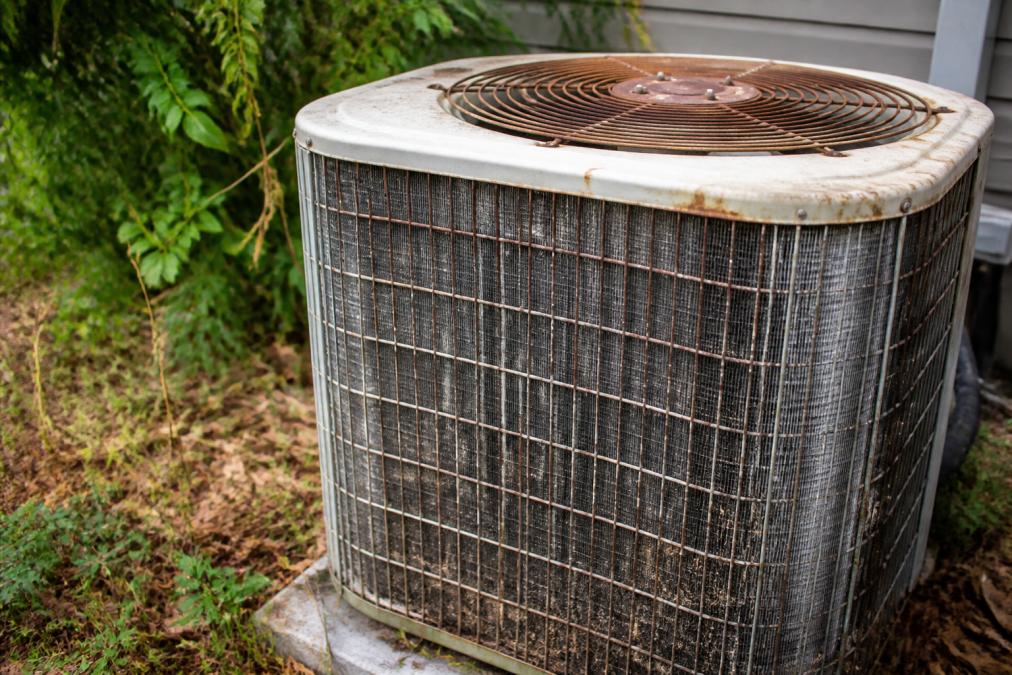
Most modern HVAC units are engineered to operate reliably for 12 to 15 years (ashrae.org). Once your system crosses that threshold, efficiency declines steadily as the compressor wears, refrigerant lines develop micro-leaks, and the blower motor slows.
Older systems consume far more energy to maintain temperature than modern, efficient units. A 20-year-old system running constantly uses significantly more electricity than a new one would. Beyond efficiency, parts become harder to find. R22 refrigerant, common in older systems, has been phased out (the EPA). If your compressor fails or you develop a refrigerant leak, repair costs can be substantial. That's when replacement becomes the sensible choice.
2. Repair Costs Exceed the 50% Rule
The 50% Rule is the industry standard for deciding whether to repair or replace your HVAC system: multiply your system's age by the cost of the repair. If that number exceeds 50% of the price of a new system, replacement is the smarter financial decision.
Example: Your 12-year-old air conditioner needs a compressor replacement costing $2,500. A new system costs $5,000. Age (12) × Repair cost ($2,500) = $30,000, which is 600% of replacement cost. Replace it.
The 50% Rule works because older systems tend to fail again soon after one repair, and a new system is far more efficient, with lower energy bills offsetting the upfront cost over time. Many homeowners skip this calculation and react emotionally, but the fact that you've already spent money on repairs is a sunk cost. What matters is whether the next repair makes financial sense.
3. Your AC Is Running Constantly Without Cooling Properly
If your air conditioner runs all day but your home never reaches the temperature you set, your system is failing. A healthy AC cycles on and off throughout the day; constant running without adequate cooling indicates the compressor is losing pressure, the expansion valve is stuck, the evaporator coil is dirty or frozen, or the system lacks sufficient capacity.
Constant running means constant energy consumption and rapid component degradation. Within weeks or months, something breaks completely. If the compressor is failing or the system is undersized, repair won't solve the problem, you need replacement.
4. Energy Bills Have Spiked Unexpectedly
A sudden spike in utility bills during cooling season often signals that your HVAC system is losing efficiency. A refrigerant leak, clogged air filter, failing compressor, or ductwork leaks all force the system to work harder and consume more electricity.
Before assuming you need replacement, have a technician inspect your air filter, clean your evaporator coil, and check refrigerant levels. These maintenance steps often recover some lost efficiency. But if the system is old and these fixes don't significantly lower your bill, replacement is the long-term answer. A new high-efficiency air conditioner with a SEER rating of 16 or higher can use significantly less energy than an older unit, potentially saving thousands in electricity costs over time (energy.gov).
5. Strange Noises, Weak Airflow, or Poor Temperature Control
Grinding, squealing, rattling, or banging from your HVAC system indicates worn bearings, loose components, or a compressor in distress. Weak airflow from vents suggests a clogged air filter, failing blower motor, collapsed ductwork, or blocked evaporator coil. Poor temperature control, where some rooms are cold while others stay warm, indicates ductwork problems or inadequate system capacity.
When these issues occur together or repeatedly, they indicate your system is near the end of its life. Each repair buys a few more months, but the underlying decline continues.
HVAC Repair vs Replace Calculator: Making the Decision
Deciding between repair and replacement requires weighing several factors:
| Factor | Repair Makes Sense | Replace Makes Sense |
|---|---|---|
| System Age | Under 10 years | 12+ years |
| Repair Cost vs. Replacement | Under 50% of replacement cost | Over 50% of replacement cost |
| Refrigerant Type | R410A (current standard) | R22 (phased out) |
| Efficiency | SEER 13+ | SEER 10 or below |
| Repair History | First major repair | Multiple repairs in past 2 years |
| Remaining Lifespan | 5+ years expected | 2-3 years expected |
Start by determining your system's age and getting a repair estimate. Multiply age by repair cost and compare to replacement cost using the 50% Rule. If you're under 50%, repair is likely better. If you're over 50%, replacement makes financial sense. Consider your refrigerant type, if your system uses R22, replacement is often practical. Evaluate efficiency and review repair history to guide your decision.
Energy Efficiency and Rebates: Why Replacement Pays Off
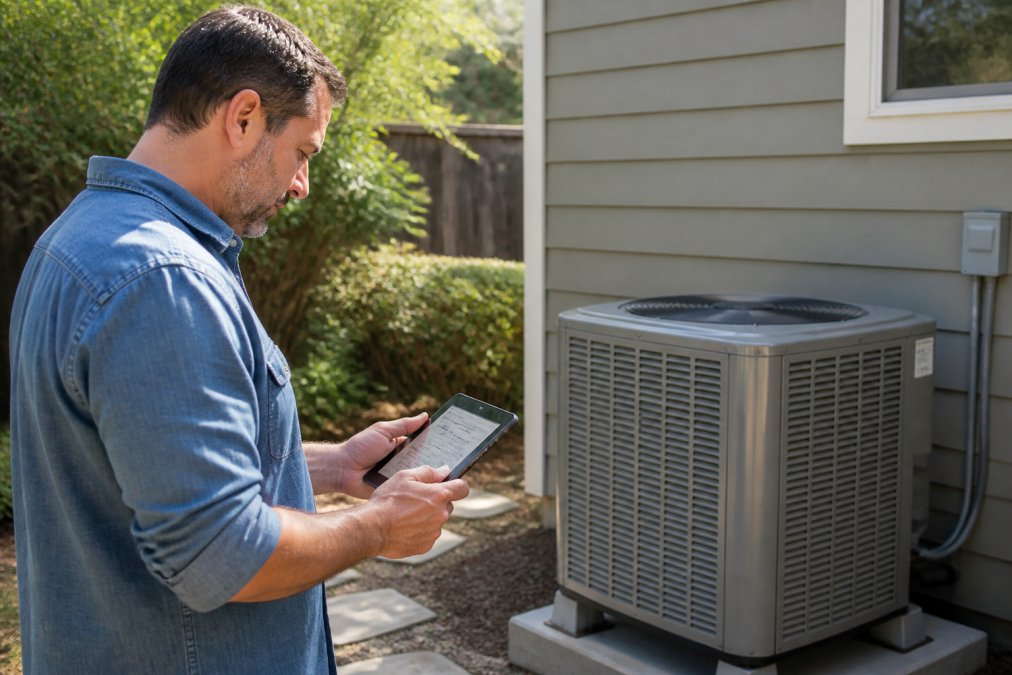
New HVAC systems are dramatically more efficient than older models. A 2026 system with a SEER rating of 18 can use significantly less energy than a 15-year-old system with a SEER 10 rating. If your current system costs $200 per month to operate during summer, a new high-efficiency system might cost less per month for the same comfort, leading to substantial savings over time.
Federal tax credits and utility rebates can make replacement more affordable. Many states and local utilities offer rebates to encourage homeowners to upgrade. A modern system also qualifies you for smart thermostat integration, optimizing energy use and adding comfort. Preventative maintenance on a new system is often less expensive than repairs on an old one, and manufacturers back new systems with warranties covering parts and labor for several years.
Next Steps: Get a Free Diagnostic
If you're uncertain whether your system needs replacement, a professional diagnostic is the best first step. A qualified technician can assess your system's condition, estimate remaining lifespan, and recommend repair or replacement based on your specific situation.
Air CareSaver offers free estimates on HVAC diagnostics and replacement. Our licensed technicians (License #1054832) have over 21 years of experience evaluating systems throughout the region. We provide honest assessments without pressure to replace unnecessarily. Same-day response is available for emergency breakdowns. For non-emergency diagnostics, we schedule at your convenience.
A professional assessment eliminates guesswork and prevents costly wrong decisions. Get My Free Quote and discover whether repair or replacement is right for your situation.
Frequently Asked Questions
Q: What is the 50% rule for HVAC replacement?
A: The 50% rule is a practical decision tool: multiply your HVAC system's age by the estimated repair cost. If that number exceeds 50% of a new system's installation cost, replacement is usually more economical. This rule accounts for declining efficiency in aging systems and prevents pouring money into equipment nearing the end of its lifespan.
Q: What is the average lifespan of an HVAC system by type?
A: Central air conditioning systems typically last 15-20 years, while furnaces average 15-25 years depending on maintenance and usage. Heat pumps generally last 15-20 years. Systems in mild climates or those receiving regular preventative maintenance often exceed these ranges. An HVAC system running constantly or showing age-related wear signals approaching replacement time. Checking your system's installation date and maintenance history helps predict when replacement becomes necessary.
Q: Why is my AC running constantly without cooling my home?
A: An air conditioner running nonstop typically indicates short cycling, a failing compressor, low refrigerant, or ductwork problems. Newer systems with proper maintenance can usually be repaired, but constant running in an older HVAC system often signals mechanical failure. This symptom accelerates wear, inflates energy bills, and suggests replacement may be more cost-effective than repeated repairs. A professional diagnostic determines whether the issue is fixable or a sign your HVAC needs replacement.
Q: How do I know if Air CareSaver's diagnosis is honest and not a sales pitch?
A: Air CareSaver offers free estimates and has 21+ years of licensed expertise (#1054832) backed by 270+ customer reviews and a 4.9 Google rating. Our family-owned approach prioritizes accurate diagnostics without unnecessary parts or guesswork. We provide same-day response and transparent assessments so you understand exactly what's wrong before deciding to repair or replace. Your confidence in the diagnosis is our priority.
This article was written using GrandRanker