 comparison
Geothermal Heating Pros and Cons for Your Home
Quick Summary
Geothermal heating systems use a buried loop of pipe to move heat between your home and the ground, which stays relatively stable in temperature year-round. They offer lower operating energy use, steadier comfort and a long-lasting underground loop, but carry higher upfront costs and require drilling or trenching and skilled installers.
- Efficiency varies with the home, loop design and local climate, so request a site-specific estimate.
- Loop type depends on your property: horizontal, vertical, pond/lake or open loop.
- Drilling or trenching means heavy equipment, disturbed landscaping and a longer installation timeline.
- Maintenance is low but not zero, since filters, pumps and controls still need periodic service.
- Calculate simple payback using net installed cost and your own annual energy savings.
Table of Contents
- Geothermal Heating Systems: How They Work and Where They Fit
- The Main Advantages: Efficiency, Comfort, and Long Lifespan
- The Main Drawbacks: Upfront Cost, Drilling, and Installer Requirements
- What a Geothermal Heating System Actually Costs
- How Long a Geothermal Heat Pump Lasts
- Geothermal vs. Traditional HVAC: Side-by-Side Comparison
- Is Geothermal Worth It for Your Home? Next Steps for Your Decision
- Frequently Asked Questions
Geothermal Heating Systems: How They Work and Where They Fit
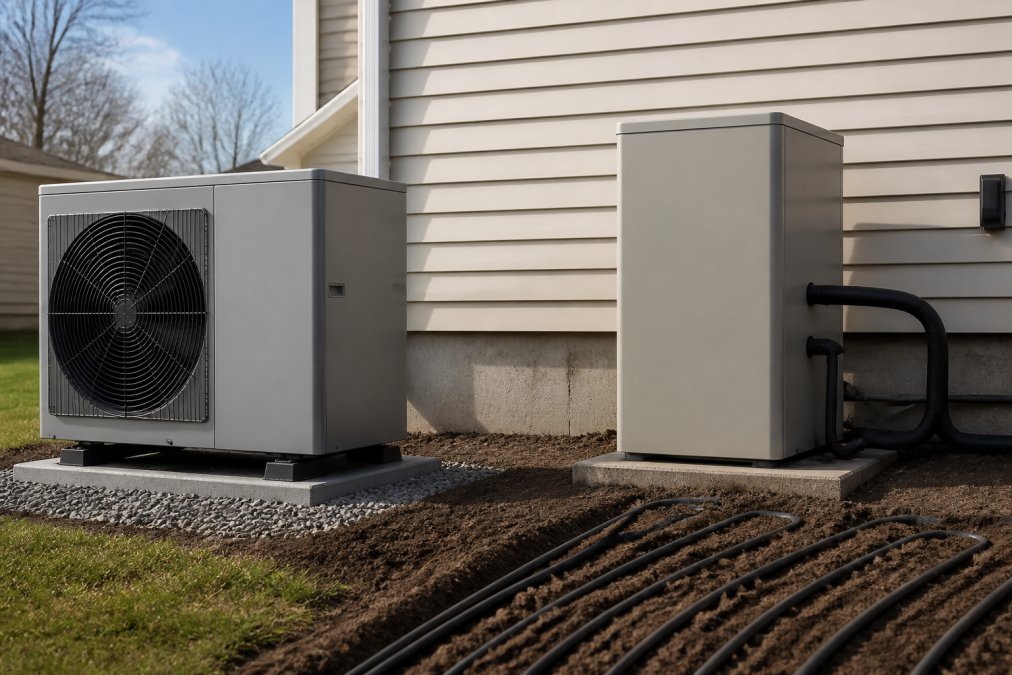
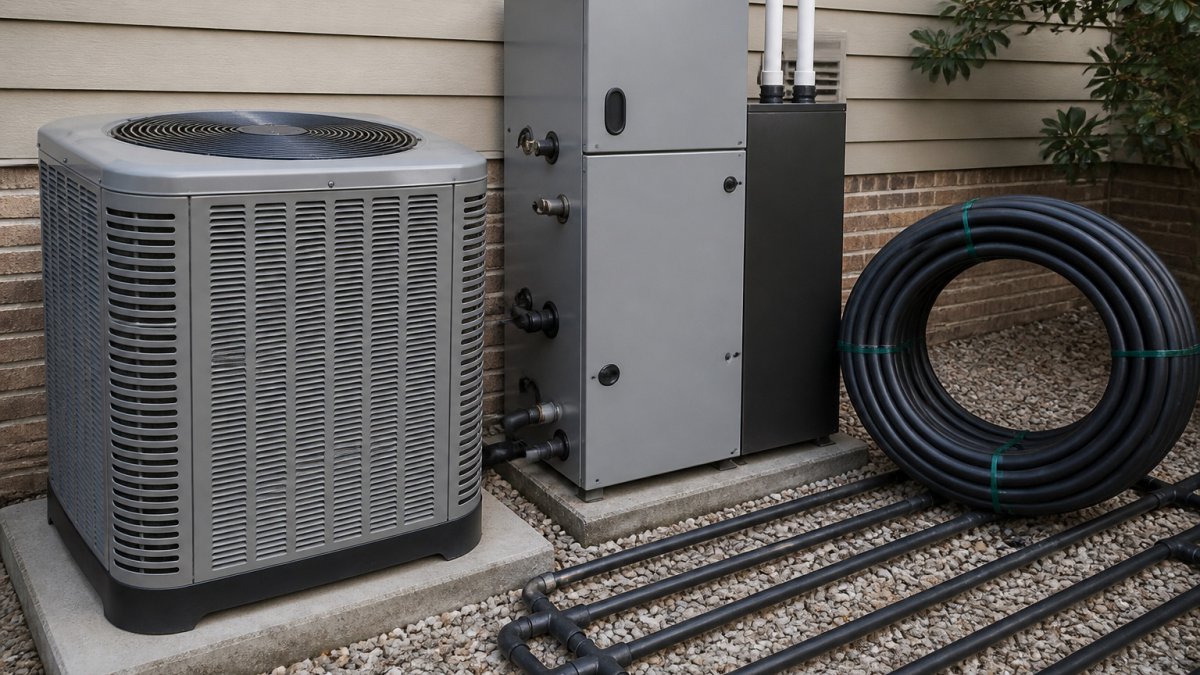
A geothermal heat pump, one of the most efficient types of geothermal heating systems, moves heat between your home and the ground through a buried loop of pipe. In winter it pulls heat from the ground into the house, and in summer it reverses the process. Because underground temperatures stay relatively stable year-round, the system does not have to work as hard as an air-source unit facing extreme outdoor air.
The efficiency gap is the core reason homeowners consider geothermal. Efficiency varies with the home, the loop design and local climate, so ask for a site-specific estimate rather than relying on a generic savings figure. Compare the cost of geothermal against a standard heat pump to see how the figures line up.
Geothermal is not one product. Systems differ by loop layout, including vertical and horizontal loops, and by whether they run closed-loop or open-loop water circulation. Your property's soil, lot size and drilling access determine which layout is practical. That site-specific picture is why a professional assessment matters before any decision.
The Main Advantages: Efficiency, Comfort, and Long Lifespan
Lower operating energy use is the main argument for geothermal. Savings depend on your local energy rates and how the system is sized.
Comfort is the second advantage. Ground temperatures are steady, so the system tends to deliver consistent heat rather than the cycling that can come with weather-dependent equipment.
Longevity is the third. Geothermal systems are generally described as having a long lifespan, and the underground loop often outlasts the indoor unit.
Watch out: a reduced-maintenance profile does not mean zero maintenance. Filters, pumps and controls still need periodic service.
The Main Drawbacks: Upfront Cost, Drilling, and Installer Requirements
The drawbacks are real, but they are also more specific than "it costs more and needs drilling." Most of the friction comes from site conditions and project logistics, and understanding those up front is what separates a smooth install from an expensive surprise.
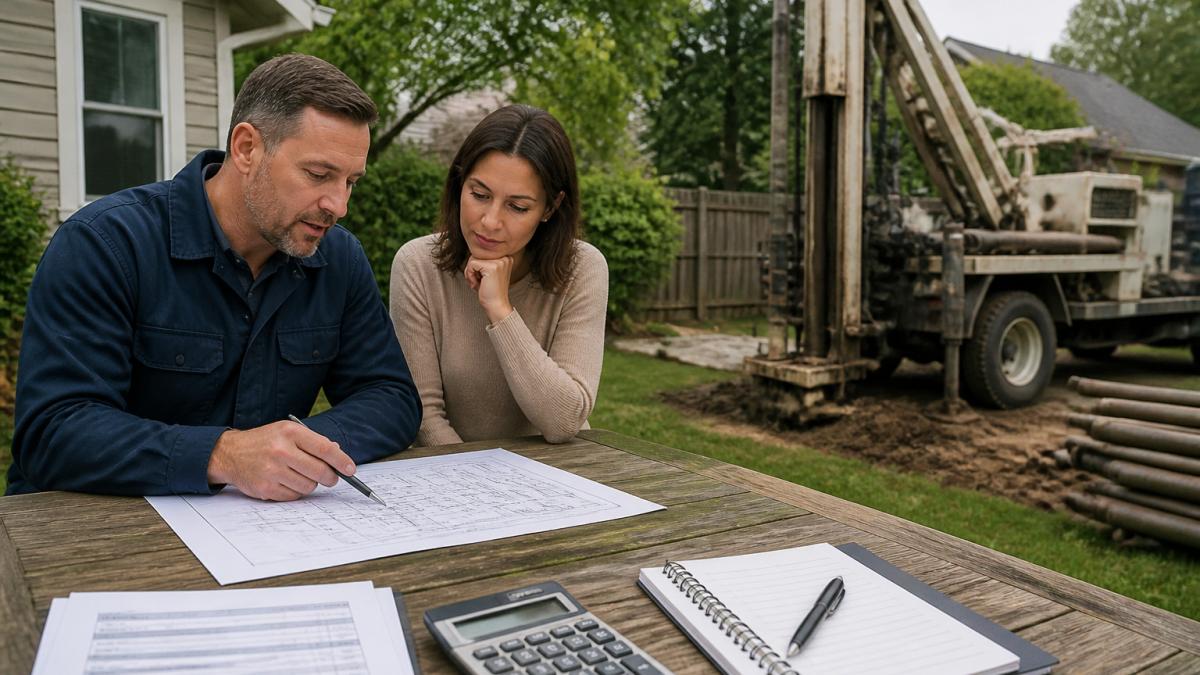
The loop type drives cost, disruption, and feasibility
Geothermal is not one product. The ground loop comes in several configurations, and your property decides which is practical:
- Horizontal closed loop. Pipes are trenched in shallow excavations over a larger area. Usually the least expensive per ton where land is available, but it needs a sizable yard and disrupts a broad swath of landscaping.
- Vertical closed loop. Boreholes are drilled 100-400+ feet deep. Best for small lots or where space is tight, but drilling is costlier per foot and requires rig access.
- Pond/lake closed loop. Coils are submerged in a body of water of adequate size and depth. Often the most economical where a suitable water body exists, but few properties qualify.
- Open loop. Groundwater is drawn from a well and returned. Efficient and compact, but it depends on water quality, quantity, and local regulations, and it can require a discharge permit.
Soil and rock matter. Sandy or dry soil conducts heat less well than saturated soil or solid rock, which can require more loop length and higher cost. Groundwater presence helps performance but complicates drilling. A professional site assessment and load calculation determine the design, not a rule of thumb.
Installation disruption and timeline
Expect the project to run longer than a standard equipment swap. A typical residential retrofit spans several days to a few weeks depending on loop type, permitting, and whether ductwork changes are needed. Drilling or trenching means heavy equipment, noise, and disturbed lawns, driveways, or landscaping; restoration is usually the homeowner's responsibility unless it is written into the contract. Permits and utility coordination add lead time in many jurisdictions. Plan for the existing system to remain in service during the transition where possible.
Installer requirements and the electricity caveat
Geothermal heat pumps require skilled designers and installers, since a poorly sized loop or a mismatched unit erodes efficiency. Verify licensing, ask for references on projects similar to yours, and confirm the contractor performs a proper load calculation. Finally, remember the system still runs on electricity: it moves heat rather than creating it, so it delivers more energy than it consumes but is not electricity-free. If a conventional system fits you better, you can request a heat pump replacement matched to your home's heating and cooling needs. If your local grid is carbon-heavy, the environmental benefit depends on the power source.
What a Geothermal Heating System Actually Costs
Geothermal prices vary widely with site conditions, so the most useful approach is to break the project into its cost components and run a simple payback calculation on your own utility rates. Your site-specific quote is the number that matters for a decision.
Where the money goes
A residential ground-source heat pump project typically has four cost buckets:
- Ground loop and drilling/trenching. This is usually the largest line item and the one that varies most. Vertical boreholes cost more per foot than horizontal trenching but need far less land. Rocky soil, high water tables, and tight lot access push this number up.
- Heat pump equipment. The indoor unit and its controls. Capacity is sized to the home's heating and cooling load, so a larger home means a larger unit.
- Interior distribution and integration. Ductwork changes, pump and piping, and coordination with any existing forced-air or radiant system.
- Permitting, design, and labor. Load calculation, loop design, permits, and licensed installation labor.
Ask every installer what a quote includes, since costs vary considerably from project to project.
A simple payback worksheet
Rather than trust a marketing savings claim, run the math yourself:
- Net installed cost = quoted price minus any federal tax credit and verified state, utility, or local incentives.
- Annual energy savings = (your current annual heating and cooling spend) minus (estimated geothermal electricity cost at your rate). Ask the installer for the estimated kWh and multiply by your utility's $/kWh.
- Annual maintenance difference = conventional service cost minus geothermal service cost (often modest, but not zero).
- Simple payback (years) = net installed cost ÷ (annual energy savings + maintenance difference).
Change any input and the answer moves, which is why a site-specific estimate beats a generic calculator.
Incentives, financing, and warranties
Incentive programs change over time, so verify the current eligibility and rates with a tax professional or the IRS before you count on them. State and utility rebates vary enormously by location and program year, and many are capped or first-come. Financing options include home equity, dedicated energy-efficiency loans, and manufacturer or installer programs; compare the APR and total interest, not just the monthly payment. Warranty coverage is often split between the equipment and the loop, which may carry a separate installer warranty. Get both in writing.
Because pricing depends on home size, loop type, drilling access, and local labor, the most reliable step is a site-specific estimate. Request a free estimate from Air CareSaver to compare a real quote against your own budget.
How Long a Geothermal Heat Pump Lasts
Lifespan claims are common in this category, and they deserve careful reading. Geothermal systems are often described as potentially lasting a long time, but lifespan depends on maintenance and installation quality rather than a guarantee.
The practical lifespan is split in two. The buried loop typically has the longest service life, while the indoor heat pump equipment wears out sooner and may need replacement in a shorter window. When you compare offers, ask installers to separate the expected life of each component.
Maintenance habits influence how long equipment runs. Keeping filters clean and scheduling periodic checks helps the system reach its expected lifespan, and catching small problems early avoids costly failures.
Geothermal vs. Traditional HVAC: Side-by-Side Comparison
The table below summarizes how geothermal compares with a conventional HVAC system on the factors homeowners weigh most. The entries reflect the sources above, and the trade-offs point in different directions depending on your priorities.
| Factor | Geothermal Heat Pump | Traditional HVAC |
|---|---|---|
| Energy use | 25%-50% less electricity (2008 state research) | Higher baseline use |
| Upfront cost | Higher, including ground work | Lower installation cost |
| Installation | Drilling or trenching, longer timeline | Standard equipment swap |
| Comfort | Steady, consistent temperatures | Varies more with outdoor air |
| Maintenance | Low, but not zero | Routine service on a regular schedule |
| Equipment life | Loop often outlasts indoor unit | Shorter overall equipment life |
| Installer needs | Skilled installers and designers | Broadly available contractors |
Traditional systems generally win on up-front simplicity and speed, while geothermal is generally associated with operating efficiency and comfort consistency over time.
Is Geothermal Worth It for Your Home? Next Steps for Your Decision
Whether geothermal makes sense depends on how long you plan to stay, your local energy costs, your property's suitability and your budget for the upfront investment. To weigh the upfront expense against long-term returns, review how energy-efficient upgrade returns are calculated. Homeowners who expect to remain in the home for many years, who have space for a loop and who face high heating or cooling bills are the strongest candidates. Those planning a short stay, or with limited land or a tight budget, may find a conventional system a better fit.
Before deciding, gather a site-specific estimate, ask installers about loop design and component lifespan, and compare financing options. If the numbers point toward a conventional upgrade, Air CareSaver can help. If your heat pump is aging or losing efficiency, contact Air CareSaver to discuss your options.
Request a free estimate from Air CareSaver to see how geothermal and standard options compare for your home.
Frequently Asked Questions
What is the average lifespan of a geothermal heat pump?
Geothermal heat pumps are often described as having a long service life. The indoor components typically have shorter lives than the buried ground loop, so routine maintenance and timely part replacement matter. Ask any installer for the warranty terms on both the equipment and the loop, and confirm what the warranty covers and for how long before you sign a contract.
How much does it cost to install a geothermal heating system?
Installation costs vary widely with home size, climate, soil conditions, and loop type. One geothermal resource reports that a new system can cost up to $50,000, and lease options exist that spread the upfront expense over time. Costs depend on the specific property, so request a written, itemized estimate from a licensed installer. Air CareSaver offers free estimates for homes and businesses in the San Gabriel Valley.
Does geothermal heating work in cold climates?
Geothermal heat pumps draw heat from the ground, and ground temperature stays more stable than outdoor air through winter. That stability helps them keep delivering heat when air-source systems lose efficiency in cold weather. Performance still depends on loop sizing and the local soil conditions, so have a qualified designer confirm that the system is matched to your home's heating load.
How long does it take for a geothermal heat pump to pay for itself?
Payback depends on the installation cost, your current energy bills, local electricity rates, and available incentives. Because the upfront cost is high, the savings from lower operating costs have to accumulate over many years before the system pays for itself. Ask an installer to model payback using your actual utility bills rather than a generic estimate.