 ultimate-guide
Energy Efficient Home Upgrade ROI: What You Get Back
Table of Contents
- How to Calculate ROI on Energy Efficient Home Upgrades
- Which Upgrades Deliver the Highest ROI
- Federal Energy Efficiency Tax Credits for Homeowners
- Cost vs Value of HVAC Replacement
- Best Energy Efficient Upgrades for Resale Value
- Regional Climate, Maintenance Costs, and Financing
- Frequently Asked Questions
Last Updated: September 28, 2026
How to Calculate ROI on Energy Efficient Home Upgrades
The ROI of energy efficient home upgrades comes from two sources: lower monthly utility bills and a higher sale price when you sell. Most homeowners count only the first, making the calculation look worse than it is.
U.S. Department of Energy guidance on home energy efficiency
The ROI Formula for Energy Efficiency Projects
ROI is total financial return divided by total project cost. For energy efficiency work, that return has two components arriving on different timelines.
Why Utility Savings and Property Value Are Different Returns
Utility bill reduction is a cash-flow return: it shows up monthly, verifies against your old bills, and doesn't depend on a buyer's opinion.
Which Upgrades Deliver the Highest ROI
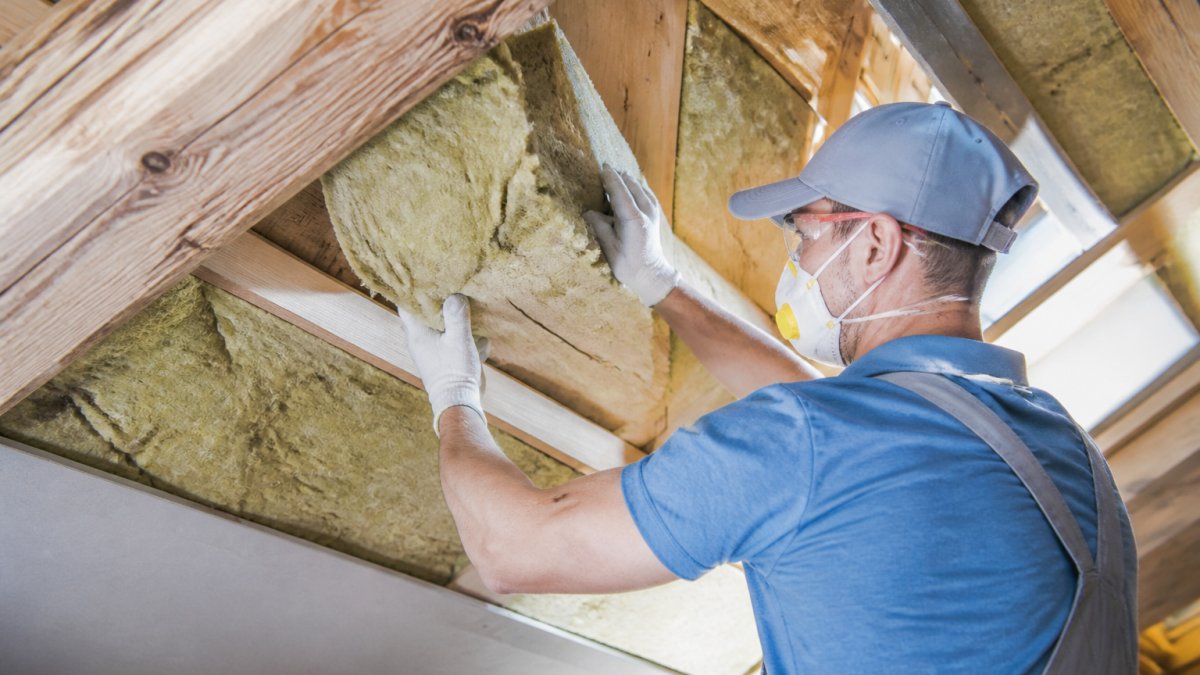
Insulation and air sealing deliver the highest ROI for most homes: they cost the least to install and reduce load on equipment you already own. HVAC replacement ranks second; windows and doors rank last on pure payback, though they carry the strongest resale signal.
Insulation and Air Sealing: The Cheapest Wins
Air sealing and insulation attack the thermal envelope, the boundary between conditioned and unconditioned air. A common mistake is adding insulation without sealing first: air leaks through gaps around outlets, attic hatches, and rim joists, and insulation alone won't stop that movement.
The order matters:
- Seal air leaks first: gaps, penetrations, attic hatches, rim joists
- Then add insulation to reach the recommended R-value for your climate zone
- Verify with a blower-door test before and after
HVAC Replacement and Heat Pumps
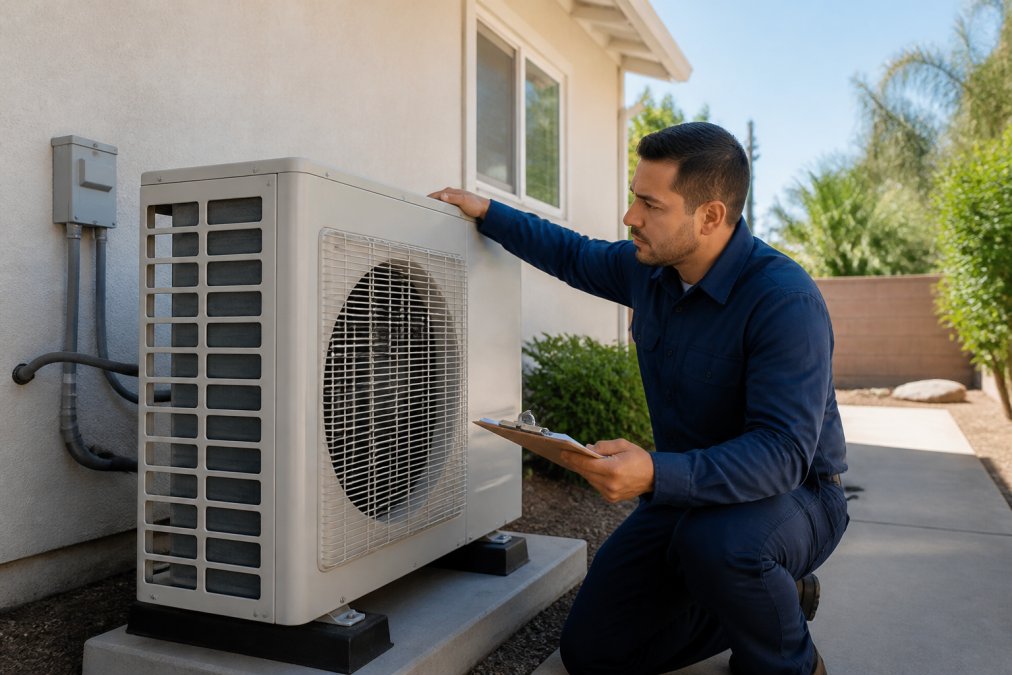
HVAC replacement is where the cost vs value of HVAC replacement debate lives. A modern heat pump moves heat rather than generating it, which is why it can cut heating costs substantially versus older resistance or furnace systems.
Three factors decide whether replacement pays off:
- Age and condition of your current system
- Your climate zone and how many hours a year you run heating versus cooling
- Whether you're replacing a failing unit or preemptively upgrading
Windows, Doors, and Water Heaters
Windows and doors carry the longest payback period of the major upgrades: they cost the most per square foot and save the least per dollar, because modern double-pane glass mainly reduces a loss that insulation and sealing already address.
Federal Energy Efficiency Tax Credits for Homeowners
Federal energy efficiency tax credits reduce your effective upfront cost, improving ROI before a single dollar of savings arrives. Credits apply to qualifying equipment and are claimed against your tax liability, not deducted at purchase: you pay full price, then recover the credit when you file.
How the Credit Mechanism Actually Works
Most residential efficiency credits fall into one of two structures:
- Percentage-of-cost credits, the credit equals a set share of your installed cost, capped at a dollar limit. If the equipment qualifies, you claim the lesser of the percentage or the cap.
- Flat-dollar credits, a fixed amount per qualifying unit or per project, regardless of what you paid.
A few mechanics homeowners routinely miss:
- Annual reset. Many credits reset each tax year, so spreading a multi-phase project across two calendar years can capture the credit twice where the rules allow.
- Lifetime caps. Some older residential credits carried a lifetime dollar limit rather than an annual one. Confirm which structure applies to the equipment you're buying.
- Installed cost vs. equipment cost. Some credits apply to the installed cost, including labor; others apply only to the equipment. This changes your effective return materially.
- Primary residence rules. Many credits apply only to your primary residence, not a rental or second home.
Stacking Credits With Rebates and Utility Programs
Credits are only one layer. Utility rebates, state programs, and manufacturer promotions often stack on top, and they work differently:
- A rebate reduces your price at or after purchase, it lowers your capital expenditure directly.
- A tax credit lowers your tax liability, it improves your net return after the fact.
- A manufacturer promotion is typically a dealer-applied discount.
What to Verify Before You Sign
The practical effect: a credit lowers your capital expenditure, shortening the payback period on every project it applies to, but only if you capture it, which means matching the project to your tax situation, not just the equipment list.
Cost vs Value of HVAC Replacement
The cost vs value of HVAC replacement comes down to separating what you spend from what you recover, through two channels, not one.
| What You Spend | What You Get Back | Timeline |
|---|---|---|
| Equipment and installation | Lower monthly utility bills | Monthly, ongoing |
| Duct sealing and airflow correction | Better comfort, fewer hot rooms | Immediate |
| Permit and inspection fees | Verified, code-compliant install | At resale |
| Maintenance plan | Longer equipment life, fewer breakdowns | Over equipment lifespan |
Best Energy Efficient Upgrades for Resale Value
The best energy efficient upgrades for resale value are the ones buyers can see, verify, and understand: a newer HVAC system with documented service history, updated windows, and even room-to-room temperatures. But "resale value" isn't one number, it's the output of an appraisal process most guides skip.
How an Appraiser Actually Credits Efficiency
An appraiser doesn't add up your receipts and hand you a premium. They work from comparable sales, recent closed sales of similar homes, then adjust for differences. Efficiency features enter that adjustment in a few ways:
- Age and condition of major systems. A furnace or heat pump within its expected service life, with a documented install date, is treated as a condition positive versus a comparable with an aging system.
- Observable features. New windows, a newer roof, updated insulation visible in an attic, these are things an appraiser can see and photograph.
- Market evidence. If comparable sales in your area show buyers paying more for homes with documented efficiency features, the appraiser can support an adjustment. If they don't, the appraiser generally can't invent one.
The Documentation That Moves the Number
An undocumented upgrade doesn't help: if you can't show the invoice, audit, or service log, the buyer's inspector can't verify it and the property valuation won't reflect it. Build a simple file:
- Invoices for every system and envelope upgrade, with model numbers and install dates
- The energy audit report, including before-and-after blower-door results if you have them
- Service records showing regular maintenance, this is the single most persuasive document for HVAC
- Utility bill history showing the before-and-after consumption pattern
- Permit and inspection records confirming the work was done to code
Where the 'Green Premium' Is Real, and Where It Isn't
- Utility savings, a cash-flow benefit the buyer will realize monthly. This is quantifiable and defensible.
- Market value premium, a one-time price effect at closing. This is market-dependent and often smaller than sellers expect.
The honest framing: efficiency upgrades rarely produce a dollar-for-dollar resale premium. What they reliably do is remove objections, shorten time on market, and give an appraiser a documented reason to adjust upward when comparable sales support it.
Regional Climate, Maintenance Costs, and Financing
Regional climate variability is the variable most ROI calculators ignore. The same upgrade produces different returns in different places, because residential energy consumption splits differently between heating and cooling depending on where you live.
How Climate Zone Changes Your Payback Period
In a hot, dry climate, cooling load dominates and a high-efficiency system or reflective roof pays back fastest. In a cold climate, heating load dominates, so envelope work plus a heat pump delivers more. In a mixed climate, you capture savings year-round, shortening the payback period on almost everything.
Lifecycle Costs and Green Premium
Lifecycle costs cover the whole ownership period: purchase, installation, energy, maintenance, repairs, and eventual replacement. A cheaper system with a shorter lifespan and more repairs can cost more over fifteen years than a better one, even though it wins on sticker price.
Run the numbers both ways before you commit:
- Unfinanced: Does the payback period fit how long you'll stay?
- Financed: Is the monthly savings greater than the monthly payment?
- Resale: Can you document the upgrade well enough for an appraiser to credit it?
Frequently Asked Questions
What renovations have the highest ROI?
Insulation and air sealing typically deliver the fastest payback because they cut air leaks that drive up heating and cooling costs. HVAC replacement with a heat pump follows closely, especially when paired with federal tax credits. Minor upgrades like programmable thermostats and LED lighting cost little and return quickly through lower utility bills. Major projects like window replacement have longer payback periods but can still boost resale value in older homes.
What qualifies as energy-efficient home improvements for federal tax credits?
The federal energy efficiency tax credits cover specific upgrades like heat pumps, central air conditioners, furnaces, insulation, windows, doors, and water heaters that meet certain efficiency standards. The credit amount depends on the equipment type and its efficiency rating. Keep your receipts and manufacturer certification statements. A licensed HVAC contractor can confirm whether the equipment you are considering qualifies before installation.
Are HVAC upgrades considered high-ROI home improvements?
Yes, HVAC replacement often ranks among the higher-return projects because it lowers utility bills immediately and appeals to buyers who want a move-in-ready system. The cost vs value of HVAC replacement depends on your climate, the age of your current system, and whether you choose a standard unit or a heat pump. Pairing the upgrade with air sealing and insulation stretches the return further.
How do energy-efficient upgrades impact property resale value?
Energy-efficient upgrades can raise resale value by making a home more marketable, especially in areas with hot summers and high cooling costs. Appraisers may note updated HVAC systems, insulation, and windows as value contributors. The exact premium varies by market and buyer demand. Homes with documented utility savings and newer equipment tend to sell faster and face fewer negotiation requests for repair credits.