 ultimate-guide
HVAC Maintenance for Older Homes: A Complete Guide
Table of Contents
- Why HVAC Maintenance Matters More in Older Homes
- HVAC Maintenance Checklist for Homeowners
- Common HVAC Problems in Historic Houses
- Modern Upgrades for Older HVAC Systems
- HVAC System Replacement Costs for Older Homes
- DIY Maintenance vs. Professional Service
- Preventing Costly Breakdowns
- Frequently Asked Questions
Last Updated: August 23, 2026
Why HVAC Maintenance Matters More in Older Homes
Older homes face unique heating and cooling challenges that newer construction doesn't encounter. An HVAC system installed 20, 30, or even 40 years ago operates under completely different design assumptions than today's equipment. The ductwork may be undersized, insulation standards were far lower, and the equipment was engineered to run harder and longer than modern systems. At Air CareSaver, preventative HVAC maintenance for older homes isn't optional, it's the difference between a system that limps along and one that actually keeps your home comfortable.
Most homeowners don't realize how much their aging HVAC system is working just to maintain baseline comfort. Older ductwork often has significant air leaks, losing 15-25% of conditioned air before it reaches the rooms you're trying to heat or cool (energy.gov). HVAC maintenance for older homes requires a different approach than standard tune-ups. You're managing the reality of aging equipment, deteriorating ductwork, and systems never designed for modern efficiency standards. A breakdown in an older system often means full replacement rather than a simple repair. Understanding what to watch for, when to call a professional, and which upgrades make sense separates homeowners who stay comfortable from those facing emergency calls and five-figure replacement bills.
HVAC Maintenance Checklist for Homeowners
An HVAC maintenance checklist should be straightforward enough to follow without a technician, yet comprehensive enough to catch problems before they become expensive.
Monthly and Seasonal Tasks:
Check and replace your air filter every month during heavy use seasons. A clogged filter forces your system to work harder, reducing efficiency and causing premature wear. For older homes, this becomes critical because older equipment has less tolerance for restricted airflow.
Inspect visible ductwork in your basement, attic, or crawl space for damage, disconnected sections, large gaps at seams, or mold growth. Ductwork in older homes often deteriorates over decades.
Clear debris from outdoor condenser units. Leaves, dirt, and vegetation block airflow and force the system to work harder.
Check that your thermostat is functioning properly and reading the correct temperature. An inaccurate thermostat causes unnecessary runtime and accelerates wear.
Quarterly or Twice-Yearly Tasks:
Listen for unusual sounds when your system runs. Older HVAC systems often develop rattles, squeals, or grinding noises as components age, early warnings of problems that can be addressed before complete failure.
Visually inspect furnace or air handler components for corrosion or deterioration. Rust on metal components or mineral buildup on copper lines indicates moisture or refrigerant issues needing professional attention.
Test your system's heating and cooling function. In older homes, uneven heating or cooling often points to ductwork problems or imbalanced airflow.
Annual Professional Tasks:
Schedule a professional HVAC inspection at least once annually. A licensed technician will check refrigerant levels, test electrical connections, inspect heat exchangers for cracks, and perform a thorough ductwork assessment.
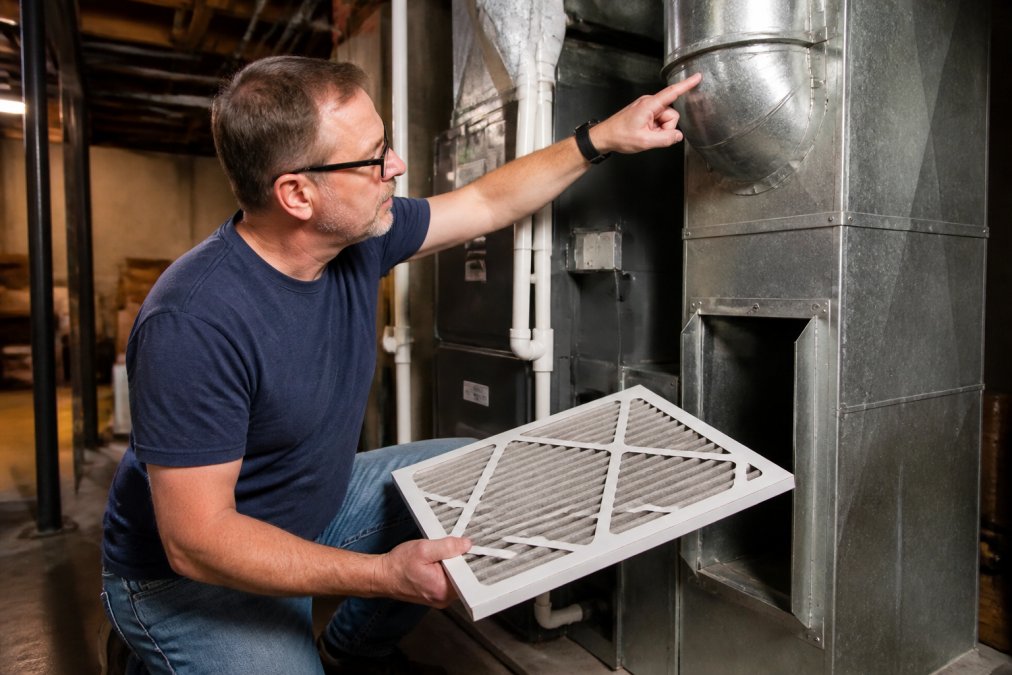
Have your ductwork professionally inspected every 2-3 years. Many older homes have never had a proper duct inspection. A professional can use camera inspection to identify issues inside walls and attic spaces.
Test your carbon monoxide detector and replace batteries if needed. Older equipment is more prone to developing cracks in heat exchangers, which can allow carbon monoxide to enter your home (the CDC).
Common HVAC Problems in Historic Houses
Older homes develop specific HVAC problems that rarely occur in newer construction.
Undersized or Oversized Equipment:
Many older homes have HVAC systems that no longer match their actual heating and cooling needs. A home built in the 1970s might have been sized for a family of six, but if you're now a household of two, the system is oversized. Oversized equipment cycles on and off too frequently, reducing efficiency and increasing wear. A professional load calculation determines what capacity your home actually needs based on current insulation levels, window efficiency, and occupancy.
Deteriorating Ductwork:
Ductwork in homes built before 1990 often relied on materials and sealing methods that have degraded significantly. Flex duct deteriorates, metal ducts rust and develop holes, and poorly sealed connections leak conditioned air. In some older homes, ductwork was installed without proper support, causing sections to sag and restrict airflow. Your system works harder to move air through compromised passages, reducing efficiency and increasing energy bills.
Incompatible System Upgrades:
Older homes sometimes have mismatched HVAC components, a modern air conditioner paired with an aging furnace, or a heat pump installed on ductwork designed for a different system type. These combinations often don't work well together because the equipment was designed for different operating conditions.
Moisture and Mold Issues:
Older homes often have moisture problems in their HVAC systems. Inadequate insulation on ductwork, poor vapor barriers, or aging equipment can allow condensation to accumulate, becoming a breeding ground for mold. Mold in HVAC systems is both a health concern and a sign of deeper problems, usually inadequate insulation, air leaks, or an oversized system.
Refrigerant Leaks:
Older air conditioning systems sometimes develop refrigerant leaks as copper lines age and vibration causes micro-fractures. Repeated connection and disconnection points become potential leak sites. A refrigerant leak reduces cooling capacity and forces the compressor to work harder, accelerating wear and increasing energy consumption.
Modern Upgrades for Older HVAC Systems
Not every older home needs complete HVAC system replacement. Strategic upgrades can dramatically improve comfort and efficiency while extending equipment life.
Ductless Mini-Split Systems:
A ductless mini-split system offers an elegant solution for older homes where ductwork is problematic or non-existent. These systems consist of an outdoor condenser unit connected to one or more indoor wall-mounted or ceiling-mounted air handlers via refrigerant lines. They're particularly effective for homes where adding or replacing ductwork would be prohibitively expensive. A single mini-split can condition a room or zone independently, allowing you to heat or cool only the spaces you're using.
High-Velocity HVAC Systems:
High-velocity HVAC systems use smaller diameter ducts and higher air velocity to deliver conditioning more efficiently. These systems work well in retrofit applications because they require less space than traditional ductwork. They're particularly useful in older homes where fitting standard ducts through walls and ceilings would require extensive renovation.
Smart Thermostats and Zoning:
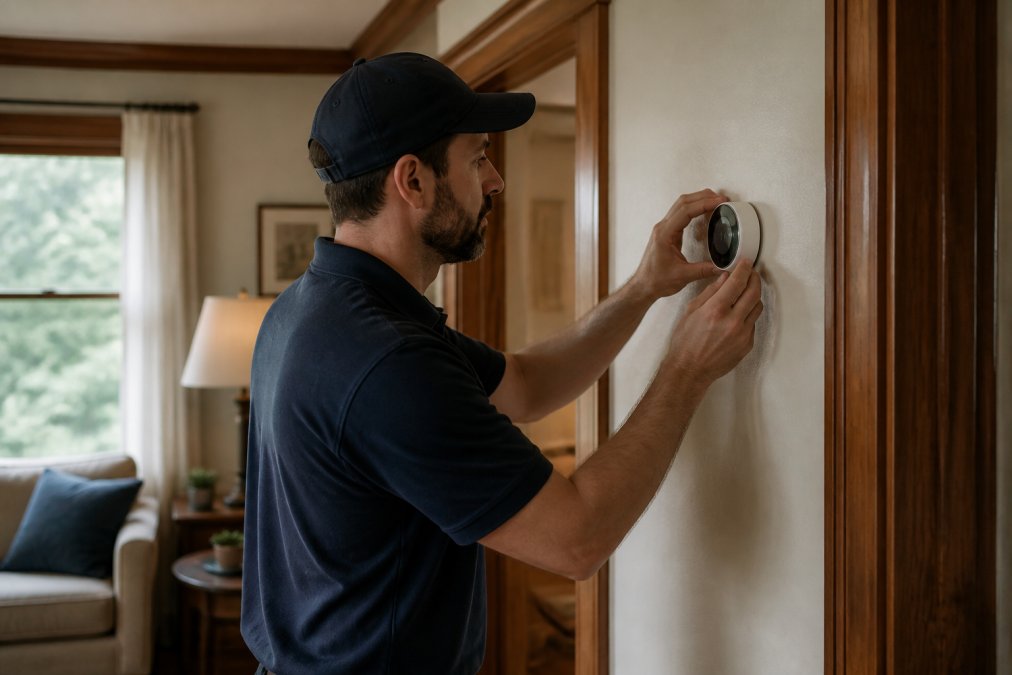
Upgrading to a smart thermostat is one of the most cost-effective improvements for older homes. Modern smart thermostats learn your schedule, adjust temperature automatically, and provide detailed energy usage data. When paired with zone dampers that control airflow to different areas, a smart thermostat can significantly improve comfort and efficiency. Zoning solves uneven heating or cooling by allowing independent temperature control for different areas.
Heat Pump Integration:
Modern heat pumps now offer viable heating solutions for older homes in most climates. A heat pump can provide both heating and cooling efficiently and can be integrated with your existing furnace as a backup for extreme cold. This hybrid approach gives you efficiency benefits during moderate weather while maintaining furnace reliability for the coldest days.
Radiant Heating Systems:
Radiant heating delivers warmth through panels in floors, walls, or ceilings rather than through forced air. For older homes, radiant systems can be installed in new construction areas or retrofitted into existing spaces. They eliminate the need for extensive ductwork and provide superior comfort by heating objects and people directly.
Improved Insulation and Air Sealing:
Before upgrading HVAC equipment, address the building envelope. Sealing air leaks around windows, doors, and penetrations, and adding insulation to attics and crawl spaces, reduces the load on your HVAC system. A smaller, more efficient system can often meet your needs if your home's envelope is properly sealed and insulated.
HVAC System Replacement Costs for Older Homes
Understanding replacement costs helps you make informed decisions about repair versus replacement. System capacity and type drive the largest portion of cost. A basic furnace-and-air-conditioner replacement costs less than a high-efficiency system or heat pump installation. The complexity of your ductwork also matters, if existing ducts can be reused and sealed, installation is faster and cheaper.
Older homes often require additional work beyond basic system installation. Severely deteriorated ductwork must be replaced. Inadequate electrical service may need upgrades. Asbestos-containing insulation around old ductwork requires professional remediation. These hidden costs can easily add 20-50% to your total project expense.
A system that's 15 years old and needs a compressor replacement might cost $1,500-$2,500 to repair, but may have only 5-10 years of remaining life (energy.gov). A new system costs more upfront but provides 15-20 years of reliable operation and better efficiency. For systems older than 20 years, replacement is almost always more economical than continued repair.
Many HVAC companies offer payment plans or work with third-party lenders. Some utility companies offer rebates for replacing old systems with high-efficiency models. Federal tax credits are sometimes available for qualifying heat pump installations.
DIY Maintenance vs. Professional Service
Knowing which maintenance tasks you can handle yourself and which require professional expertise prevents costly mistakes and ensures safe, efficient operation.
What You Can Do Yourself:
Replace air filters monthly during heavy use. This is the single most important maintenance task and requires no special tools. A clogged filter is the leading cause of HVAC system stress.
Visually inspect ductwork for obvious damage, disconnections, or mold growth.
Keep outdoor condenser units clear of debris and vegetation.
Test your thermostat for accuracy by comparing its reading to a separate thermometer.
Listen for unusual sounds and note when they occur.
What Requires Professional Service:
Refrigerant handling is strictly regulated and requires EPA certification. Improper handling damages the environment and voids warranties.
Electrical work on HVAC systems must be performed by licensed technicians. High-voltage components can cause serious injury, and incorrect wiring creates fire hazards.
Ductwork sealing and repair requires specialized equipment. Professional duct sealing uses mastic sealant or aeroseal technology that homeowners can't replicate.
Heat exchanger inspection requires specialized tools to detect cracks that could allow carbon monoxide to enter your home.
Professional load calculations determine whether your system is properly sized for your home.
Anything involving refrigerant, electrical components, or safety-critical systems requires a licensed technician. Everything else, filter changes, visual inspections, debris removal, is fair game for homeowners.
Preventing Costly Breakdowns
The most expensive HVAC failures are the ones nobody sees coming. A strategic approach to prevention catches problems early and keeps your system running reliably.
Schedule annual professional inspections without fail. A technician will identify worn components, refrigerant leaks, electrical problems, and ductwork issues before they cause system failure.
Keep detailed records of all maintenance and repairs. This documentation helps you spot patterns and increases your home's resale value.
Maintain consistent thermostat settings rather than making dramatic adjustments. Older systems work best when they run steadily. Constantly adjusting temperature forces your system to cycle on and off frequently, increasing wear.
Address air leaks and insulation problems in your home's envelope. A well-sealed, well-insulated home requires less from your HVAC system, reducing runtime, decreasing wear, and extending equipment life.
Keep your outdoor condenser unit in good condition. Shade it from direct sun if possible, and ensure airflow isn't restricted by vegetation or debris.
Watch for warning signs: reduced cooling or heating capacity, unusual sounds, higher energy bills, or uneven temperature distribution. Air CareSaver's same-day response ensures that when you notice something wrong, professional help is available immediately.
HVAC maintenance for older homes isn't just about keeping your system running, it's about protecting your investment and ensuring your home stays comfortable year-round. With the right approach, older systems can serve reliably for years. Air CareSaver's 21 years of experience with older homes in the region means we understand the specific challenges your system faces. Get a free quote today and discover how professional maintenance and strategic upgrades can extend your system's life while improving your home's comfort and efficiency.
Frequently Asked Questions
Q: How often should HVAC maintenance be performed on older home systems?
A: Older HVAC systems should be serviced at least twice yearly, before heating season and before cooling season. Many homeowners benefit from quarterly inspections to catch issues early. Systems over 15 years old may need more frequent attention to prevent unexpected failures. Regular preventative maintenance extends system life and catches problems before they become expensive repairs.
Q: What are the most common HVAC problems in historic houses?
A: Historic homes often face ductwork deterioration, refrigerant leaks, thermostat calibration issues, and poor airflow due to outdated duct design. Older systems may lack zoning capabilities, making it difficult to heat or cool specific areas efficiently. Inadequate insulation and air sealing compound these problems. Additionally, legacy equipment may lack modern safety features.
Q: When should I replace my HVAC system instead of repairing it?
A: If your system is over 15 years old and repair costs exceed 50% of replacement costs, replacement is typically more economical. Signs include frequent breakdowns, rising energy bills, uneven temperatures, or refrigerant leaks. Newer systems offer better energy efficiency, quieter operation, and improved indoor air quality. Modern equipment may also qualify for tax credits and rebates available for energy-efficient upgrades.
Q: How can I improve energy efficiency in my older home's HVAC system?
A: Start with air duct inspection and sealing to prevent energy loss. Upgrade to a programmable or smart thermostat for better temperature control. Improve insulation and weatherization around windows and doors. Consider installing a heat pump or ductless mini-split system for targeted heating and cooling. Professional load calculations ensure your system capacity matches your home's actual needs, eliminating oversized equipment that wastes energy.
This article was written using GrandRanker