 comparison
HVAC Inspection Cost vs Value: ROI Guide
Table of Contents
- What HVAC Inspection Cost Actually Covers
- Average Cost of HVAC Tune-Up and Inspection Pricing
- The Financial Case for Preventative Inspection
- HVAC Inspection Checklist: What Professionals Look For
- How to Prepare HVAC System for Winter and Beyond
- Red Flags in Technician Quotes and When to Walk Away
- DIY Checks vs. Professional Inspection: What You Can and Cannot Do
- Conclusion
- Frequently Asked Questions
Last Updated: August 31, 2026
What HVAC Inspection Cost Actually Covers
An HVAC inspection cost typically includes a diagnostic evaluation of your entire heating and cooling system to identify current problems and prevent future breakdowns. The technician assesses system efficiency, spots safety hazards, and recommends maintenance or repairs before something fails.
Most inspections cover several key components: furnace or heat pump, air conditioning unit, ductwork, refrigerant levels, electrical connections, and thermostat calibration. They'll also evaluate your filter condition and overall system cleanliness.
At Air CareSaver, our approach focuses on accurate diagnostics without unnecessary parts or guesswork. You get a clear picture of your HVAC system's real condition, not an inflated repair bill based on assumptions.
Average Cost of HVAC Tune-Up and Inspection Pricing
The cost of an HVAC inspection varies based on your system type, location, and the depth of diagnostic work. Rather than guessing at a specific price, contact local professionals directly for a quote.
A basic tune-up typically covers filter replacement, lubrication of moving parts, and a visual system check. A comprehensive HVAC inspection cost includes diagnostic testing with specialized equipment, electrical component evaluation, and a detailed written report. Some companies charge a flat fee for inspections, while others waive the inspection fee if you proceed with recommended repairs.
If your HVAC system is over 10 years old, showing signs of poor performance, or hasn't been professionally serviced in several years, a diagnostic inspection reveals whether you're looking at a simple repair or eventual replacement. This information often pays for itself by helping you budget accurately and avoid surprise breakdowns.
Air CareSaver offers free estimates, which means you can get a clear picture of what your system needs without an upfront diagnostic fee. You can make decisions based on facts rather than uncertainty.
The Financial Case for Preventative Inspection
Preventative maintenance creates a straightforward financial equation: small regular investments prevent large emergency expenses. An annual HVAC inspection cost is typically far less than the cost of an emergency repair call, system breakdown during extreme weather, or premature replacement.
Without attention, your system runs fine for years until something fails completely on the hottest or coldest day. Now you're paying premium rates for emergency service, dealing with uncomfortable conditions, and potentially facing a major repair or replacement you weren't prepared for financially.
Regular inspections catch problems early, a refrigerant leak before your AC stops cooling, a failing capacitor before your system won't start, worn bearings before they seize. Each early detection prevents cascading damage that would cost significantly more to repair later.
HVAC systems that receive consistent preventative care typically last several years longer than neglected units. This extends the timeline before replacement, giving you time to budget properly. Beyond the financial math, a well-maintained system runs more efficiently, maintains consistent temperatures, and keeps indoor air quality higher.
Air CareSaver's preventative maintenance plans help catch problems early and keep your system running efficiently. Our same-day response capability means when something does go wrong, you're not left without heat or air conditioning for days.
HVAC Inspection Checklist: What Professionals Look For
A professional HVAC inspection covers specific components and measurements that determine whether your system operates safely and efficiently.
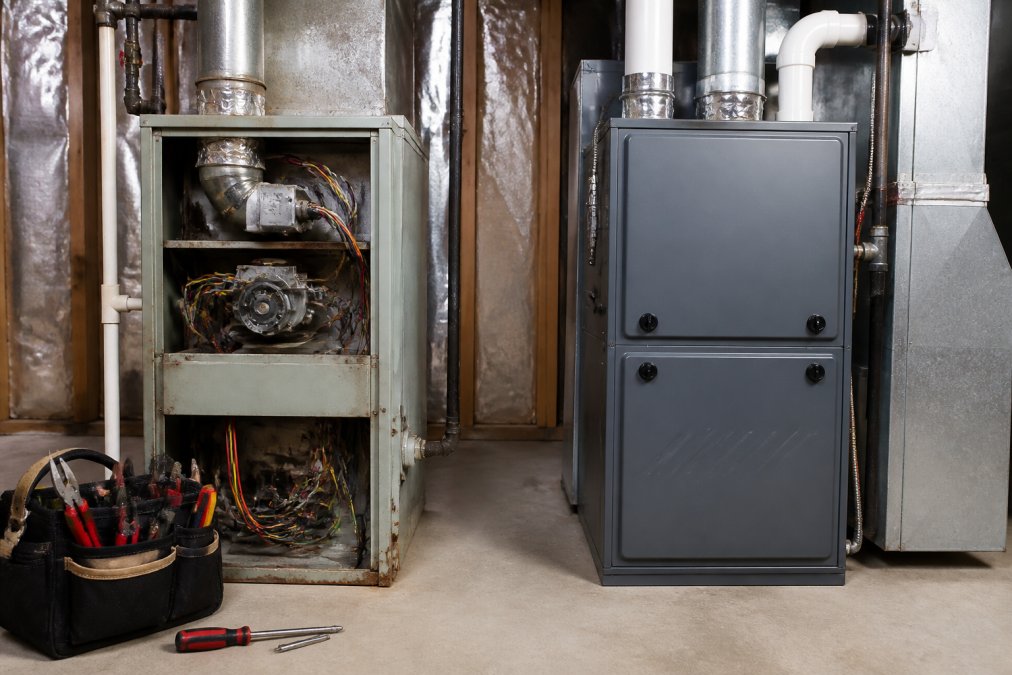
The inspection begins with visual assessment of your furnace or heat pump, checking for corrosion, cracks, or visible damage. The technician checks electrical connections for tightness and proper voltage, tests thermostat calibration, and measures airflow. They inspect ductwork for leaks, disconnections, or damage that wastes energy.
For cooling systems, refrigerant levels are measured to ensure they're within manufacturer specifications. Low refrigerant indicates a leak needing repair (the EPA). The technician checks moving parts for wear, tests safety controls, evaluates filter condition, and inspects your condensate drain line to ensure it's clear and draining properly.
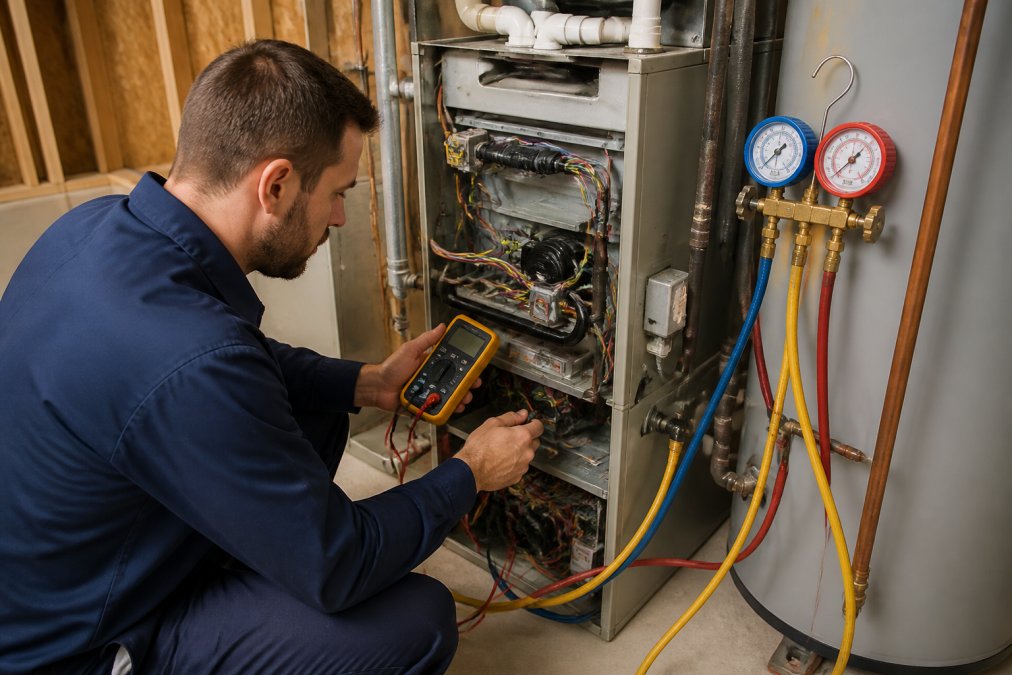
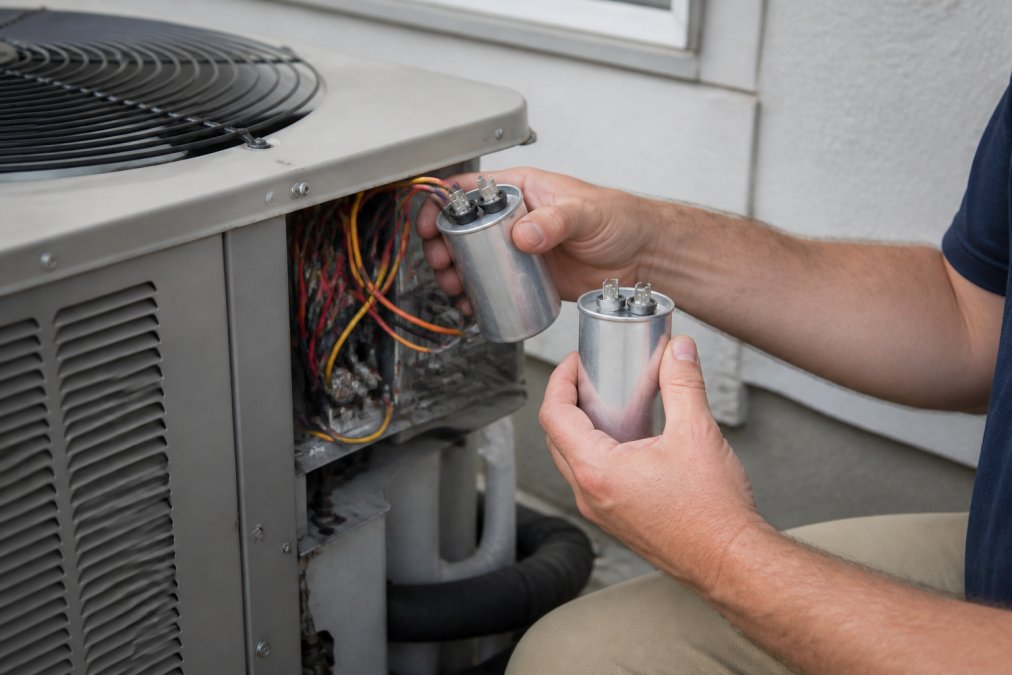
Electrical component testing is critical. Using specialized equipment, technicians measure capacitor function, check contactor operation, and test safety switches. These components are common failure points. The inspection includes checking blower motor operation, evaluating fan blade condition, and ensuring all controls respond properly.
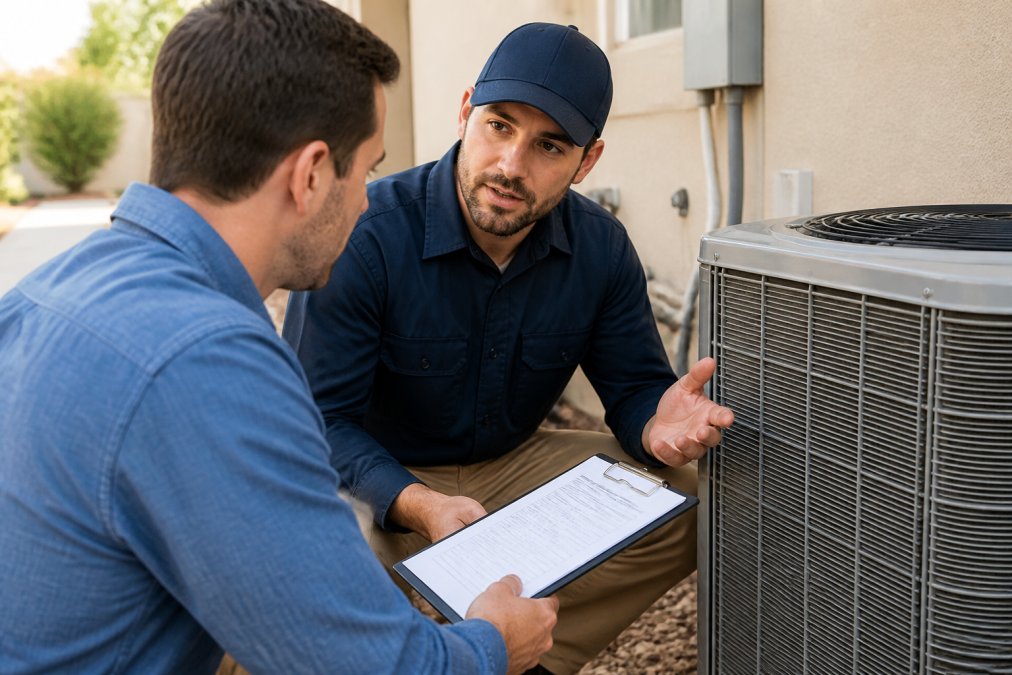
A comprehensive HVAC inspection cost includes a written report documenting findings. This report becomes your reference for what's working, what needs attention soon, and what can wait.
| Component | What's Being Tested | Why It Matters |
|---|---|---|
| Refrigerant levels | Pressure and charge | Low refrigerant reduces cooling efficiency and can damage compressor |
| Electrical connections | Voltage, continuity, tightness | Loose connections cause failures and safety hazards |
| Thermostat | Calibration accuracy | Incorrect readings lead to poor temperature control |
| Ductwork | Leaks, disconnections, sealing | Leaks waste energy and reduce system efficiency |
| Capacitors | Electrical charge and function | Failed capacitors prevent system startup |
| Blower motor | Speed and operation | Worn motors reduce airflow and efficiency |
| Safety controls | Response and function | Faulty controls create safety risks |
How to Prepare HVAC System for Winter and Beyond
Before winter arrives, schedule a professional inspection and tune-up to address any issues before you're relying on your heating system daily. Have your technician verify that your furnace ignition works properly, your heat exchanger is clean, and your blower motor operates efficiently.
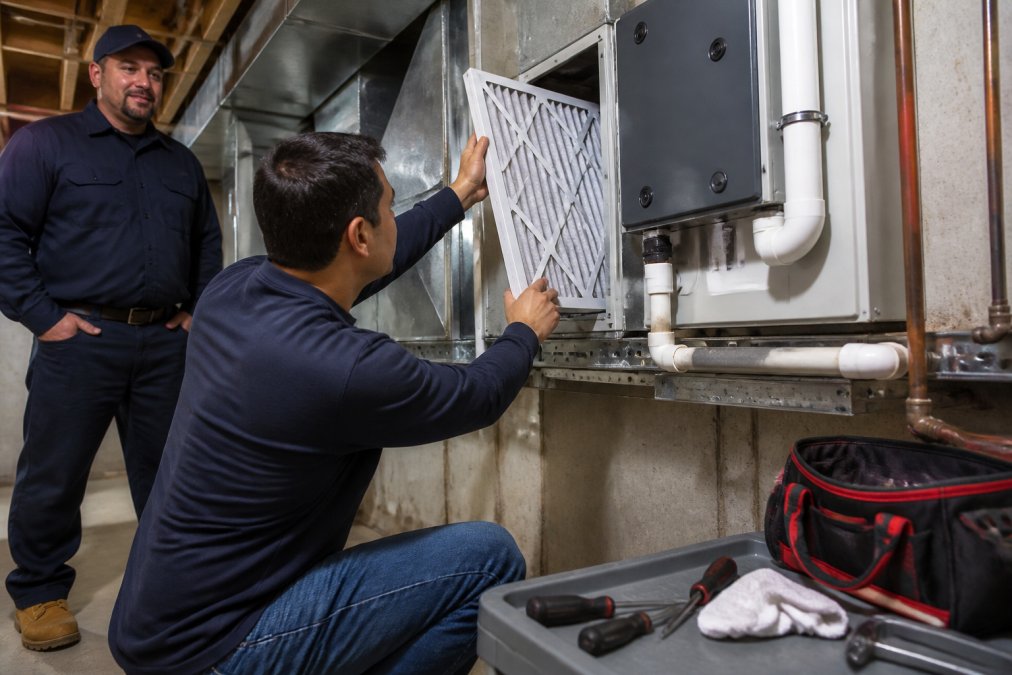
Change or replace your air filter before the season begins. A clean filter improves airflow, reduces strain on your system, and improves indoor air quality. Filters should typically be replaced every 1-3 months depending on household factors like pets and dust levels (energy.gov).
Clear the area around your outdoor condenser unit. Remove leaves, branches, and debris that restrict airflow. Keep at least two feet of clearance on all sides. For heat pump systems, ensure your outdoor unit isn't blocked by snow or ice.
Test your thermostat before you need it. Set it to heating mode and confirm your system responds. Check that your programmable or smart thermostat is set correctly for your preferred schedule.
Seal air leaks around windows and doors. This dramatically improves how efficiently your system operates. Air leaks force your system to work harder, increasing energy consumption and wear.
Inspect your ductwork for visible gaps or disconnections. While you can't test ductwork as thoroughly as a professional, you can spot obvious problems. Professional duct sealing is worth considering if you notice significant leaks.
Schedule your professional inspection early in the season rather than waiting until problems develop. Early season scheduling means technicians have more availability, you avoid emergency service premiums, and your system starts in known good condition.
Red Flags in Technician Quotes and When to Walk Away
Not all HVAC quotes are created equal. Understanding what represents fair pricing protects you from overpaying or receiving unnecessary work.
A red flag appears when a technician recommends system replacement without first performing a thorough inspection. Replacement is sometimes right, but it should be based on specific findings: age of system, efficiency ratings, repair costs exceeding 50% of replacement value, and frequency of breakdowns.
Be cautious of extremely low quotes. A quote significantly lower than others suggests either incomplete scope of work or corner-cutting on quality. HVAC work requires proper equipment, training, and time.
Watch for vague language in quotes. A professional estimate should specify exactly what work will be performed, what parts will be replaced, labor costs, and warranty terms. Quotes without specifics make it impossible to compare options or hold the technician accountable.
Technicians who pressure you to decide immediately are another warning sign. Legitimate HVAC professionals understand that homeowners need time to review options and get multiple quotes.
Be skeptical of recommendations to replace perfectly functional components. If your capacitor works, your thermostat reads accurately, and your filter is clean, you don't need those replaced.
Ask about the technician's licensing and insurance. In most jurisdictions, HVAC work requires specific licensing. Air CareSaver carries license #1054832 and has over 21 years of verified expertise. Unlicensed operators may offer lower prices but lack accountability.
Request references or reviews. Check Google reviews, Better Business Bureau ratings, and ask for references you can contact directly. Established businesses maintain transparent ratings and customer feedback.
Compare what's included in different quotes. One company might include a system diagnostic, written report, and warranty on work. Another might charge for each separately. The total cost tells a different story than the base quote alone.
DIY Checks vs. Professional Inspection: What You Can and Cannot Do
Some HVAC maintenance tasks are within reach for homeowners. Others require specialized tools, training, and licensing.
You can change your air filter. This 10-minute task requires only knowing your filter size and having a replacement on hand. Turn off your system, locate your filter, note the size, and install a new one. This is the single most impactful maintenance task you can perform yourself.
You can visually inspect your system for obvious problems. Look for leaks around connections, listen for unusual noises, check that your outdoor condenser unit isn't blocked, and confirm your thermostat responds to adjustments.
You can clear debris from around your outdoor unit. Leaves, branches, and dirt restrict airflow and reduce efficiency.
You cannot safely work with refrigerant. Federal law restricts refrigerant handling to certified technicians (the EPA). Improper handling damages the environment and your system.
You cannot diagnose electrical problems safely. HVAC systems operate at voltages that can cause serious injury or death. Testing capacitors, contactors, and other electrical components requires proper training and equipment.
You cannot seal ductwork properly. Professional duct sealing uses specialized materials and techniques. DIY attempts often fail and waste money.
You cannot calibrate your thermostat accurately. Proper calibration requires specialized equipment and knowledge of your system's specific requirements.
You cannot perform a comprehensive system diagnostic. A professional inspection uses pressure gauges, multimeters, combustion analyzers, and other specialized tools. These measurements reveal problems that visual inspection misses entirely.
The practical rule: DIY maintenance keeps your system clean and prevents obvious problems from worsening. Professional inspection catches problems before they become emergencies and optimizes system performance. Both are necessary.
Conclusion
Understanding HVAC inspection cost versus value means recognizing that preventative maintenance prevents far more expensive emergency repairs. Regular inspections catch problems early, extend your system's lifespan, improve efficiency, and avoid unexpected breakdowns.
Air CareSaver has spent over 21 years helping homeowners and businesses in the San Gabriel Valley avoid costly HVAC failures through accurate diagnostics and preventative care. Our same-day response capability and free estimates mean you can understand your system's condition without financial barriers. We're licensed (#1054832) and committed to honest service, no unnecessary parts, no pressure tactics, just clear diagnostics and reliable solutions.
Get your free quote from Air CareSaver today and discover what your HVAC system actually needs.
Frequently Asked Questions
Q: How much does a typical HVAC inspection cost?
A: HVAC inspection pricing depends on your system type, age, and location. Air CareSaver offers free estimates to help you understand what your system needs without upfront costs. Contact for current pricing based on your specific situation and system requirements.
Q: What's included in a professional HVAC inspection?
A: A thorough HVAC inspection examines refrigerant levels, electrical connections, thermostat calibration, filter condition, ductwork integrity, and component functionality. Technicians check for refrigerant leaks, inspect the furnace or air conditioning unit, test airflow, and assess whether your system operates at peak efficiency. They'll identify safety issues, worn parts, and maintenance needs before they become expensive failures.
Q: Can I do my own HVAC inspection, or do I need a professional?
A: You can perform basic maintenance like replacing filters and clearing debris around outdoor units. However, professional inspections catch problems you cannot detect: refrigerant leaks, electrical hazards, internal component wear, and system efficiency losses. DIY checks complement professional inspections but cannot replace them. A licensed technician has specialized tools and training to diagnose issues accurately and safely.
Q: How often should I schedule an HVAC inspection?
A: Most HVAC professionals recommend annual inspections, ideally before heating season starts in fall and cooling season in spring. Older systems (10+ years) benefit from twice-yearly tune-ups. Regular inspections catch problems early, extend system lifespan, maintain energy efficiency, and prevent costly emergency repairs. Preventative maintenance plans typically include scheduled inspections as part of the service.
This article was written using GrandRanker