 how-to
How to Verify HVAC License: Step-by-Step Guide
Table of Contents
- Why Verifying an HVAC License Matters
- How to Verify HVAC License: The Five-Step Process
- How to Check Contractor License Status by State
- Questions to Ask HVAC Contractors Before Hiring
- Risks of Hiring Unlicensed HVAC Contractors
- Red Flags: Signs a Contractor May Be Unlicensed
- What to Do If You Discover an Unlicensed Contractor
- Insurance vs. Licensing: Why Both Matter
- Frequently Asked Questions
Last Updated: August 28, 2026
Why Verifying an HVAC License Matters
An HVAC license proves a technician has met specific training requirements, passed competency exams, and maintains ongoing compliance with industry standards. Hiring an unlicensed contractor exposes you to substandard work, liability issues, and legal complications. Licensed contractors carry insurance, follow code requirements, and have their work inspected by regulatory boards. Unlicensed operators cut corners, skip inspections, and disappear if problems arise. At Air CareSaver, we've spent over 21 years building trust through proper licensing and transparent diagnostics. This guide walks you through verifying HVAC license status, what to look for in official records, and what to do if you discover a contractor is operating without proper credentials.
How to Verify HVAC License: The Five-Step Process
Verifying an HVAC contractor's license is straightforward and takes about 10 minutes (the CDC).

Step 1: Gather the Contractor's License Number
Ask the contractor directly for their license number before scheduling work. A legitimate professional will provide this immediately. The license number is typically an alphanumeric code specific to that technician or company. Write it down exactly as provided, including any hyphens or prefixes. If a contractor hesitates or becomes vague, that's a red flag. You can also request their physical license card, which shows the license type, issue date, and expiration date.
Step 2: Identify the Correct Regulatory Board
HVAC licensing is regulated at the state level. Each state has its own licensing board or department that oversees contractor credentials. Search "[Your State] HVAC license board" or "[Your State] contractor licensing board." Most states have a dedicated online portal where you can search active licenses. Some states license HVAC contractors under a general "mechanical contractor" category, while others have specific HVAC or "air conditioning and refrigeration" classifications.
Step 3: Access the Official License Database
Navigate to the regulatory board's official website and look for a section labeled "License Search," "Verify a License," "Contractor Search," or "Public Records." These portals are typically free and accessible to anyone. Avoid third-party websites claiming to verify licenses; stick to the official government database. Most boards allow you to search by contractor name, license number, or business entity name.
Step 4: Search and Review License Status
Enter the contractor's license number or name into the search field. The database will return results showing active, inactive, suspended, or expired licenses. Look for "Active" status. Pay attention to the license type listed, it should match HVAC work. Note the issue and expiration dates; an expired license is not valid.
Step 5: Check for Disciplinary Action or Complaints
Many regulatory boards allow you to view disciplinary history alongside active license status. Look for any notation about complaints, violations, license suspensions, or enforcement actions. A clean record doesn't guarantee perfect work, but a history of violations suggests a pattern of non-compliance.
How to Check Contractor License Status by State
License verification processes vary slightly by state, but the principle is identical: access the official regulatory board's database and search for active status. Each state maintains its own licensing authority, typically housed within the Department of Consumer Affairs, Department of Professional Regulation, or similar agency. The verification portal is always free and public-facing. When you search, the database will show the contractor's name, license number, license type, issue date, expiration date, and current status. If a contractor claims to be licensed but doesn't appear in the database, they are not licensed.
Questions to Ask HVAC Contractors Before Hiring
Beyond verifying their license, ask these questions to assess professionalism and trustworthiness. Ask whether they carry liability insurance and workers' compensation insurance, and request proof of both. Ask what warranty they offer on their work, reputable contractors typically guarantee labor for 1-2 years. Ask whether they'll pull permits if required. Licensed contractors know when permits are necessary and handle the process without complaint.
Inquire about their diagnostic process and whether they charge for diagnostics. A thorough professional will explain findings in detail without pressure. Ask for references from recent customers and call them. Ask how long they've been in business, whether they're licensed and insured, and what happens if the same problem occurs after repair. These questions separate professionals from fly-by-night operations.
Risks of Hiring Unlicensed HVAC Contractors
Unlicensed contractors aren't required to follow building codes or industry standards (nfpa.org). They might install equipment incorrectly, use improper refrigerant, skip safety checks, or create electrical hazards. If something goes wrong, you have no recourse. Licensed contractors carry liability insurance that covers damage caused by their work; unlicensed contractors typically don't, leaving you responsible for repairs or injuries.
Many insurance policies won't cover damage caused by unlicensed contractor work. If an unlicensed technician damages your home and you file a claim, your insurer may deny it. Similarly, if you sell your home and the inspector discovers unpermitted work by an unlicensed contractor, the buyer may demand you fix it before closing or walk away entirely. Some jurisdictions impose fines on homeowners who hire unlicensed contractors.
Red Flags: Signs a Contractor May Be Unlicensed
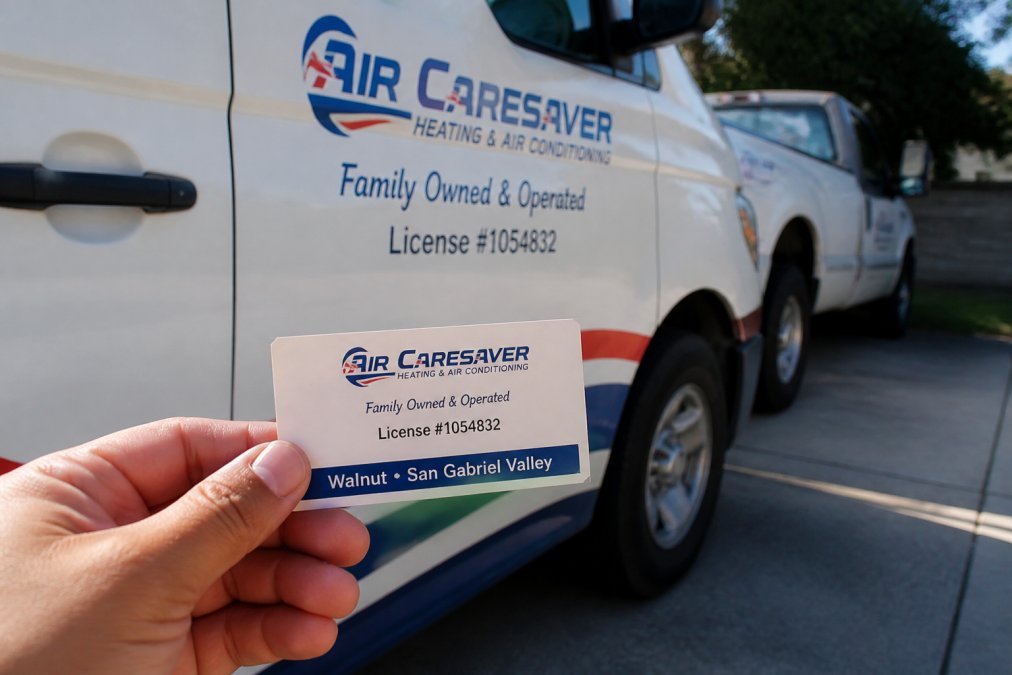
A contractor who avoids giving you their license number or becomes evasive is likely unlicensed. Legitimate professionals provide this information without hesitation. Watch for contractors who demand cash payment only, licensed contractors accept checks, credit cards, and bank transfers. If a contractor won't provide a written estimate or contract, that's a major warning sign.
Contractors who pressure you to decide immediately or claim they're "only in town today" are using high-pressure sales tactics common among unlicensed operators. If they can't provide references or claim all previous customers are "unavailable," that's suspicious. A contractor who quotes a price far below market rates is either cutting corners or planning to upsell you mid-project. Be wary of contractors without visible business identification, professional vehicles, uniforms, or who can't explain their qualifications.
What to Do If You Discover an Unlicensed Contractor
Stop the work immediately and do not make additional payments. Document everything: take photos of completed work, save all communications, and write down dates and times of interactions. Contact your state's regulatory board and file a formal complaint with the contractor's name, business name, work performed, and dates.
If you've already paid by credit card, dispute the charge with your credit card company. If you paid by check, you may be able to stop payment. Consider hiring a licensed contractor to inspect the unlicensed work and provide a written assessment of code violations or safety issues. Report the contractor to your local Better Business Bureau and online review platforms with factual details about the licensing violation.
Insurance vs. Licensing: Why Both Matter
A license proves the contractor has met training and competency requirements set by the state and is authorized to perform HVAC work. Insurance protects you financially if something goes wrong, liability insurance covers damage the contractor causes to your home, and workers' compensation insurance covers injuries to the contractor's employees.
A licensed contractor without insurance is risky. A contractor with insurance but no license is illegal and untrustworthy. You need both. When you hire a contractor, verify their license through the official database and request proof of current insurance. Call the insurance company directly to confirm the policy is active.
At Air CareSaver, we maintain both current licensing (#1054832) and comprehensive insurance coverage. This dual commitment means you're protected by someone who's proven their qualifications and backed their work with financial responsibility.
Verifying an HVAC contractor's license is the single most important step in the hiring process. It takes minutes and protects you from costly mistakes, safety hazards, and legal complications. When you're ready to hire, start by checking the official regulatory database in your state. If a contractor hesitates to provide their license number or doesn't appear in the database, walk away. Get your free quote from Air CareSaver today and experience the difference that 21+ years of licensed, insured expertise makes. Our team is ready to deliver accurate diagnostics, honest recommendations, and reliable solutions, backed by our commitment to your comfort and peace of mind.
Frequently Asked Questions
Why is it important to verify an HVAC contractor's license?
Verifying an HVAC contractor's license protects you from unlicensed work, ensures the contractor meets regulatory standards, and provides recourse if something goes wrong. Licensed contractors carry insurance, follow building codes, and are subject to disciplinary action if they violate regulations. This verification step is your primary defense against poor workmanship, liability issues, and unnecessary upselling.
What information do I need to check an HVAC license online?
You need the contractor's full name, business name, and license number to search most state licensing databases. The license number is the fastest way to verify status. You'll also need to know which state issued the license. Most regulatory boards allow searches by licensee name if you don't have the number, though this may return multiple results. Request the license number upfront from any contractor before work begins.
How can I tell if an HVAC license is currently active and in good standing?
Search the state's regulatory board database and look for the license status field, which should show 'active,' 'in good standing,' or similar language. Check the license expiration date to ensure it hasn't lapsed. Review the disciplinary action section for any complaints, violations, or enforcement actions. A license with recent disciplinary history or pending complaints is a red flag, even if technically active.
What should I do if I cannot find an HVAC contractor's license number?
Ask the contractor directly for their license number and request it in writing. A legitimate, licensed contractor will provide this without hesitation. If they refuse or claim they don't have one, do not hire them. You can also contact your state's regulatory board and ask if they have a record of the contractor. If no license exists, the contractor is operating illegally and you risk liability, poor workmanship, and lack of recourse.
This article was written using GrandRanker