 how-to
Commercial HVAC Downtime Prevention Tips
Table of Contents
- Why Commercial HVAC Downtime Costs More Than You Think
- Common Causes of Commercial HVAC Equipment Breakdown
- Build Your Commercial HVAC Preventative Maintenance Checklist
- Implement Proactive Monitoring and Predictive Maintenance
- Understanding Commercial HVAC Maintenance Contract Pricing
- Create a Downtime Contingency Plan
- Train Staff and Monitor System Performance
- Frequently Asked Questions
Last Updated: August 20, 2026
Why Commercial HVAC Downtime Costs More Than You Think
A single hour of commercial HVAC system downtime can disrupt operations, compromise employee comfort, and damage your bottom line. For many facility managers, the real cost extends far beyond the repair bill itself, it's the lost productivity, tenant complaints, and emergency service premiums that add up fast.
At Air CareSaver, we've worked with commercial property managers across the San Gabriel Valley who've learned this lesson the hard way. The businesses that minimize downtime aren't the ones reacting to failures. They're the ones preventing them. This guide walks you through proven strategies for commercial HVAC downtime prevention that keep your systems running reliably year-round.
The stakes are higher for commercial properties than residential ones. When a home's air conditioning fails, it's uncomfortable. When a commercial HVAC system fails, it's a business interruption. Tenants leave negative reviews. Employees lose productivity. In some cases, regulatory compliance becomes an issue. Understanding the true cost of downtime, and how to prevent it, is essential for any facility manager serious about operational reliability.
Common Causes of Commercial HVAC Equipment Breakdown
Most equipment failures don't happen suddenly. They're the result of months or years of neglect, operating under stress, or running without proper maintenance. Recognizing the patterns that lead to breakdown helps you spot problems before they become emergencies.
Refrigerant leaks are among the most common culprits. Over time, connections corrode, seals degrade, and small leaks develop. A system running low on refrigerant works harder, consumes more energy, and eventually fails. Many facility managers don't notice until the system stops cooling entirely.
Debris accumulation in outdoor condenser units is another frequent issue. Leaves, dirt, and pollen build up on the coils, restricting airflow and forcing the compressor to work longer and harder. In commercial settings with heavy seasonal use, this debris can accumulate quickly.
Electrical contact degradation happens gradually. Contactors wear out, capacitors fail, and wiring connections loosen. These components don't announce their failure, they just stop working, sometimes suddenly, sometimes with warning signs that go unnoticed.
Bearing wear and lubrication problems affect motors and compressors. Without proper lubrication, bearings degrade. Without regular inspection, you won't know there's a problem until the bearing seizes and the motor burns out.
Ductwork sealing issues develop as buildings settle and ducts age. Gaps and leaks in the ductwork mean conditioned air escapes before reaching occupied spaces, forcing the system to run longer to maintain temperature. Component degradation accelerates under this stress.
Filter replacement neglect is surprisingly common. A clogged filter restricts airflow, reduces system performance, and creates conditions for equipment failure. Many facilities operate with filters far beyond their intended lifespan.
The pattern is clear: most breakdowns result from deferred maintenance, not manufacturing defects. This is why preventive maintenance isn't optional, it's the foundation of reliable operations.
Build Your Commercial HVAC Preventative Maintenance Checklist
A structured preventive maintenance plan catches problems before they become emergencies. The key is consistency: monthly checks, quarterly inspections, and annual professional assessments create layers of protection.
Monthly Tasks
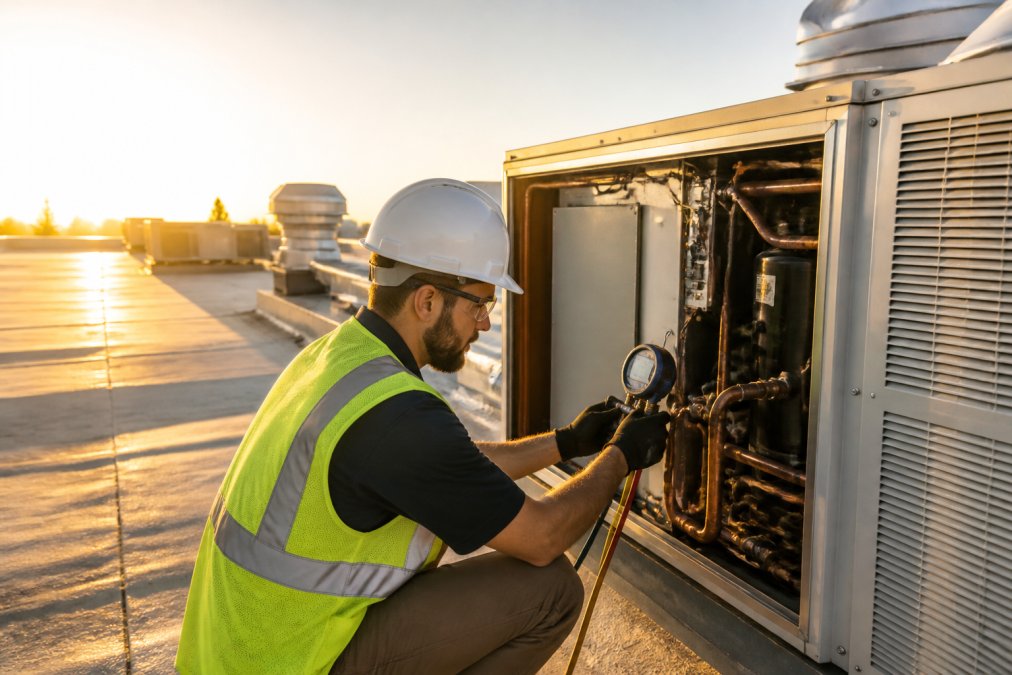
Monthly maintenance tasks are quick but critical. These are checks your facility staff can perform without specialized training.
Filter inspection and replacement. Check your filters every month and replace them when they show visible dust accumulation. For commercial systems running continuously, monthly checks often reveal that filters need replacement every 30-60 days, not the standard 90-day interval.
Condenser coil visual inspection. Walk around outdoor units and look for debris, leaves, or visible dirt buildup. Clear away any obstructions around the unit. Ensure the area is free of vegetation that could restrict airflow.
Thermostat verification. Check that your smart thermostat or control system is displaying accurate temperatures and responding to setpoint changes. A thermostat that's off by even a few degrees can signal a sensor problem or control issue.
Equipment noise and vibration check. Listen for unusual sounds, grinding, squealing, or rattling. Feel for excessive vibration. These are early warning signs of bearing wear or component failure.
Drain line inspection. Look for water pooling near indoor units or evidence of leaks. A clogged condensate drain can cause water damage and system shutdowns.
Quarterly Inspections
Quarterly inspections go deeper. These should involve more detailed observation and basic testing.
Refrigerant line inspection. Check visible refrigerant lines for signs of leaking, oily residue around connections or visible corrosion. Look for kinks or damage to insulation.
Electrical connection inspection. Visually inspect accessible electrical connections for corrosion or loose wiring. Tighten any loose terminal connections (with the system off).
Airflow distribution check. Feel airflow at supply vents and return grilles throughout the building. Uneven airflow can indicate ductwork problems or internal blockages.
System runtime monitoring. Track how long the system runs during normal operation. Unusual increases in runtime suggest the system is working harder than normal, a sign of declining efficiency or developing problems.
Lubrication assessment. For systems with accessible lubrication points, check oil levels if applicable. Some commercial systems require periodic lubrication of motors and bearings.
Annual Professional Assessments
Annual professional inspections catch problems that facility staff can't diagnose. A licensed technician brings specialized equipment and expertise.
Comprehensive system diagnostics. A professional performs a full diagnostic evaluation, checking refrigerant charge, system pressures, electrical function, and component performance. This identifies problems in early stages.
Calibration verification. Thermostats and sensors are verified for accuracy. Drift in sensor calibration can cause comfort issues and reduce efficiency.
Component testing. Capacitors, contactors, and other electrical components are tested for proper function. Failed or failing components are identified before they cause system shutdown.
Ductwork evaluation. Professionals can identify leaks and sealing issues in ductwork that affect system performance and energy efficiency.
Equipment lifespan assessment. A professional can evaluate whether your system is approaching end-of-life and help you plan for replacement before failure becomes inevitable.
Implement Proactive Monitoring and Predictive Maintenance
Modern commercial HVAC systems can be equipped with monitoring technology that alerts you to problems before they cause downtime. Proactive monitoring transforms maintenance from reactive crisis management to predictive planning.
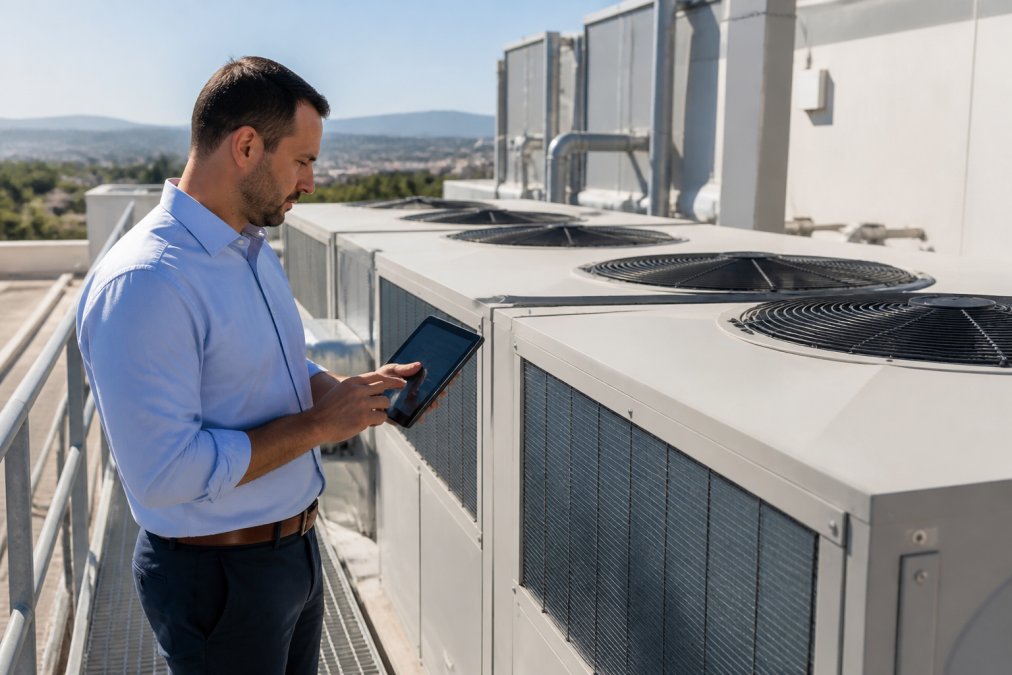
Smart thermostat integration provides real-time visibility into system operation. Modern smart thermostats track runtime, temperature accuracy, and cycling patterns. Abnormal patterns, like a system running continuously or cycling on and off rapidly, signal problems developing.
IoT sensors on critical components monitor refrigerant pressure, motor amperage, and bearing temperature. When these metrics drift outside normal ranges, alerts notify your team before failure occurs. This technology is increasingly affordable for commercial installations.
System performance trending compares current operation against baseline performance. When efficiency declines or runtime increases without explanation, the system flags it for investigation. This catches gradual degradation that might otherwise go unnoticed for months.
Predictive maintenance algorithms analyze multiple data points to predict component failure. Instead of waiting for a bearing to fail, you can schedule replacement during planned downtime. This eliminates emergency calls and extends equipment lifespan.
The investment in monitoring technology pays for itself through reduced emergency service calls, avoided downtime, and extended equipment life. For commercial properties where downtime costs are high, predictive maintenance becomes a financial necessity, not a luxury.
Understanding Commercial HVAC Maintenance Contract Pricing
Maintenance contracts vary widely in scope, frequency, and cost. Understanding what you're getting, and what you're not, is essential for making smart decisions about your preventive maintenance strategy.
Service frequency matters. Contracts typically offer quarterly, semi-annual, or annual visits. More frequent visits catch problems earlier but cost more. The right frequency depends on your equipment age, usage patterns, and downtime tolerance.
Scope of work differs significantly. Some contracts include only basic inspections and filter replacement. Others include comprehensive diagnostics, component testing, and minor repairs. Clarify exactly what's included before signing.
Emergency response provisions vary between providers. Some contracts guarantee same-day response to emergency calls. Others offer priority scheduling but don't guarantee response times. For commercial properties, response time guarantees are worth the premium.
Parts and labor coverage is a critical distinction. Some contracts cover parts and labor for repairs identified during maintenance visits. Others cover only labor for the inspection itself, leaving you to pay for any repairs needed. Understand this distinction before an emergency forces you to choose.
Seasonal adjustment options allow you to increase service frequency during peak cooling or heating seasons. This is valuable for commercial properties with heavy seasonal demand.
Rather than guessing at typical pricing, contact Air CareSaver for a free estimate tailored to your specific system and facility needs. Our team can recommend a maintenance contract structure that matches your operational requirements and budget.
Create a Downtime Contingency Plan
Even with excellent preventive maintenance, equipment sometimes fails unexpectedly. A contingency plan minimizes the impact when it does.
Identify backup cooling or heating sources. For critical spaces, identify portable cooling or heating equipment that can be deployed quickly. For server rooms or spaces with sensitive equipment, this might be essential.
Establish emergency response protocols. Determine who authorizes emergency service calls, what the approval process is, and who communicates with tenants or employees about service interruptions. Clear protocols reduce confusion during stressful situations.
Maintain a relationship with a responsive service provider. Before you need emergency service, establish a relationship with a provider who can respond quickly. Air CareSaver offers same-day response for emergency calls, ensuring you're not left waiting during critical situations.
Document system specifications. Keep detailed records of your HVAC system, equipment model numbers, installation dates, refrigerant type, electrical specifications, and past service records. This information helps technicians diagnose problems faster.
Plan for tenant or employee communication. Develop templates for communicating service disruptions to tenants or employees. Quick, transparent communication prevents panic and manages expectations.
Budget for emergency service premiums. Emergency service calls typically cost more than scheduled maintenance. Budget for this reality so emergency expenses don't surprise you.
A contingency plan won't prevent downtime, but it will minimize its impact and reduce stress when it occurs.
Train Staff and Monitor System Performance
Your facility staff are your first line of defense against downtime. Proper training ensures they catch problems early and know when to call for professional help.
Basic system operation training. Staff should understand how your HVAC system operates, what normal operation sounds and feels like, and what abnormal conditions warrant attention. This foundational knowledge prevents misdiagnosis and unnecessary service calls.
Maintenance task delegation. Clearly assign responsibility for monthly checks, filter inspection, visual inspections, and basic monitoring. Written checklists ensure consistency and create a record of maintenance activities.
Problem recognition training. Train staff to recognize warning signs: unusual noises, weak airflow, temperature inconsistencies, water leaks, or electrical issues. Early recognition of these signs prevents small problems from becoming emergencies.
Documentation practices. Maintain logs of maintenance activities, service calls, and system performance observations. This historical record helps identify patterns and informs future decisions about system upgrades or replacement.
Escalation procedures. Establish clear guidelines for when staff should call for professional service. Not every issue requires a technician, but some do. Clear criteria prevent both unnecessary calls and missed problems.
Regular staff training transforms your facility team from passive occupants of the space into active participants in system reliability. This shift reduces downtime and extends equipment lifespan.
Commercial HVAC downtime prevention isn't complicated, it's systematic. Monthly checks, quarterly inspections, annual professional assessments, and proactive monitoring create multiple layers of protection. When problems develop, this structure catches them early, before they cascade into expensive failures.
The businesses that maintain reliable HVAC systems aren't the ones with the newest equipment. They're the ones with structured maintenance practices and responsive service partners. Air CareSaver brings 21+ years of licensed expertise and same-day response capabilities to keep your commercial HVAC systems running reliably. Our accurate diagnostics eliminate guesswork, and our preventive maintenance plans prevent expensive breakdowns. Get your free quote today and build a maintenance strategy that works for your facility.
Frequently Asked Questions
What is the $5,000 rule for commercial HVAC systems?
The $5,000 rule is a cost-benefit guideline: if repair costs exceed 50% of the price to replace the system, replacement is often more economical. For older systems (15+ years), a single major repair can trigger this threshold. A professional assessment determines whether repairs or replacement makes sense for your commercial HVAC investment.
How often should commercial HVAC systems be inspected to prevent downtime?
Schedule professional inspections at minimum twice yearly, before cooling and heating seasons. Many facility managers conduct quarterly inspections for critical systems. Monthly in-house checks of filters, airflow, and thermostat function catch problems early. More frequent monitoring reduces unexpected equipment breakdown and extends system lifespan significantly.
What is included in a typical commercial HVAC preventative maintenance checklist?
A comprehensive checklist includes filter replacement, refrigerant level checks, lubrication of moving parts, electrical contact inspection, ductwork sealing verification, variable-speed motor assessment, and calibration of smart thermostats. Professional technicians also inspect for debris build-up, bearing wear, and component degradation. Regular completion prevents operational disruption and maintains peak season performance.
How can I calculate the cost of commercial HVAC downtime for my business?
Multiply your hourly operational cost (lost productivity, revenue impact) by downtime hours. For a small office, this might be $500/hour; for a retail space, $2,000/hour or more. Add emergency repair premiums (often 50-100% higher than scheduled service). Preventive maintenance contracts typically cost 10-15% of replacement value annually but prevent downtime costs 5-10 times higher.
This article was written using GrandRanker