 listicle
Best HVAC Maintenance Plans 2026
Table of Contents
- What Does an HVAC Maintenance Plan Cover
- Top HVAC Maintenance Plans Compared
- 1. Air CareSaver Maintenance Plans, Best for Local, Dependable Service
- 2. LC Heating & Air Annual Plans, Best for Predictable Costs and Member Benefits
- 3. ARS/Rescue Rooter Pro Service Plan, Best for Flexible Payment and National Coverage
- 4. One Hour Heating & Air Comfort Club, Best for Maximum Repair Discounts
- 5. Venta Heating and Cooling Comfort Club, Best for Tiered Options Across Different Budgets
- Average Cost of HVAC Tune-Up 2026
- How to Prepare HVAC System for Winter
- Are HVAC Maintenance Plans Worth the Investment
- Frequently Asked Questions
Last Updated: August 26, 2026
What Does an HVAC Maintenance Plan Cover
An HVAC maintenance plan is a service agreement bundling regular tune-ups, priority scheduling, and repair discounts into a single annual or monthly subscription. Rather than paying for emergency service visits, you commit to preventative maintenance typically scheduled twice yearly: spring before cooling season and fall before heating season.
Standard coverage includes system diagnostics, air filter replacement, refrigerant level checks, condenser coil cleaning, thermostat calibration, and a written condition report. Many plans waive diagnostic fees on repairs, offer 10-20% discounts on parts and labor, and guarantee priority scheduling during breakdowns. Higher-tier plans may add emergency service without overtime charges, system replacement credits, or extended warranty coverage.
The core value is straightforward: catch problems early through regular inspection, avoid expensive emergency repairs, and lock in service discounts before costs spike. For homeowners with older systems or those in extreme climates, these plans function as affordable insurance against mid-season breakdowns.
Top HVAC Maintenance Plans Compared

1. Air CareSaver Maintenance Plans, Best for Local, Dependable Service
Air CareSaver is the top choice for homeowners in the San Gabriel Valley and Walnut areas seeking preventative maintenance from a locally rooted business. With over 21 years of licensed expertise (License #1054832), Air CareSaver delivers reliable, customer-focused service with same-day response capability, free estimates, and accurate diagnostics without unnecessary upselling.
Their maintenance plans emphasize preventing expensive breakdowns through regular system inspections and energy-efficient tune-ups. Technicians understand your specific system's needs, whether residential or commercial. The family-owned structure means decisions are made by people who've built their reputation on customer trust, not quarterly earnings targets.
For homeowners worried about unnecessary repairs or inflated invoices, Air CareSaver's commitment to accurate diagnostics directly addresses that concern. They serve both residential and commercial clients across the region.
Pros:
- 21+ years of licensed experience in the region
- Same-day response availability
- Free estimates and accurate diagnostics
- Family-owned with transparent, customer-focused approach
- Serves both residential and commercial properties
Cons:
- Service area limited to Walnut and San Gabriel Valley communities
- Pricing requires direct contact for quote
2. LC Heating & Air Annual Plans, Best for Predictable Costs and Member Benefits
LC Heating & Air structures their approach around simplicity: two scheduled visits per year (spring AC tune-up, fall furnace tune-up) at a fixed annual cost of $180-$250. This makes budgeting straightforward with no surprise charges.
Plan members get priority scheduling for emergency repairs, 10-15% discounts on standard service rates, no overtime charges for off-hours calls, and a written report documenting system condition. This maintenance history is useful for insurance or home sale purposes.
The main limitation surfaces with multi-zone systems. Pricing scales with each additional unit, and the plan covers maintenance only, not major repairs.
Pros:
- Fixed annual cost ($180-$250/year) for predictable budgeting
- Two scheduled maintenance visits included
- Priority scheduling and repair discounts for members
- No overtime charges on emergency calls
- Written condition report after each visit
Cons:
- Multi-system homes incur additional costs
- Plan is maintenance-only; major repairs charged separately
- Pricing requires direct call for exact quote
3. ARS/Rescue Rooter Pro Service Plan, Best for Flexible Payment and National Coverage
ARS/Rescue Rooter offers tiered plans (Essential and Elite) with monthly subscription pricing. Both plans include priority service seven days a week, repair discounts (10-15%), and a free diagnostic on your first visit.
The differentiator is system replacement credits: up to $1,500 depending on tier, effectively subsidizing future replacement costs. A one-year warranty on labor and repair parts provides additional peace of mind. National coverage means your plan transfers if you relocate within their service area.
Additional charges may apply for priority service beyond plan inclusions, and replacement credits cannot be combined with other promotions.
Pros:
- Flexible monthly billing vs. annual commitment
- System replacement credits (up to $1,500 depending on tier)
- One-year warranty on labor and parts
- Priority service seven days a week
- National coverage if you relocate within service area
Cons:
- Additional charges may apply for priority service beyond plan inclusions
- Replacement credits cannot be combined with other promotions
- Specific plan details require direct inquiry
4. One Hour Heating & Air Comfort Club, Best for Maximum Repair Discounts
One Hour's Comfort Club focuses on aggressive repair discounts (up to 30%) combined with comprehensive annual tune-ups. Their 69-point inspection is more detailed than competitors' standard offerings, and the plan includes quarterly air filter delivery.
Monthly cost starts at $14.95. The standout benefit is discount depth: 30% off parts and labor beats most competitors' 10-15% rates. For homeowners who've experienced expensive repairs, this discount can recoup membership costs in a single service call.
Pricing is per zone, so multi-zone homes cost significantly more. A 12-month minimum commitment in some locations may incur cancellation penalties.
Pros:
- Up to 30% discounts on repairs (deeper than most competitors)
- 69-point annual inspection (more thorough than standard)
- Quarterly air filter delivery included
- 24/7 guaranteed service availability
Cons:
- Pricing per zone increases costs for multi-zone systems
- 12-month minimum commitment in some service areas
- Cancellation penalties may apply
5. Venta Heating and Cooling Comfort Club, Best for Tiered Options Across Different Budgets
Venta offers three membership tiers (Bronze, Silver, Gold) starting at $189/year for Bronze. Bronze includes one maintenance visit and 10% repair discounts. Silver adds a second visit and 15% discounts plus waived diagnostics. Gold includes two visits, 20% discounts, priority dispatch, and a 2-year price lock.
This tiered structure lets you choose based on your system's age and reliability. The 2-year price lock on Gold tier protects against rate increases. Venta's transparency is refreshing: no auto-renewal without opt-in, and the plan clearly states it's not insurance.
Multi-system homes pay additional costs per system. Service area spans Southern California but doesn't match national coverage like ARS offers.
Pros:
- Three tiers to match different needs and budgets
- Clear, straightforward pricing with no auto-renewal
- 2-year price lock on Gold tier
- Meaningful repair discounts (10-20% depending on tier)
- Priority dispatch on higher tiers
Cons:
- Multi-system homes incur additional per-system costs
- Plan is maintenance-focused, not equipment replacement insurance
- Service area limited to Southern California
| Plan | Starting Price | Maintenance Visits | Repair Discount | Best For |
|---|---|---|---|---|
| Air CareSaver | Contact for quote | Custom schedule | Varies | Local, dependable service with same-day response |
| LC Heating & Air | $180-$250/year | 2 per year | 10-15% | Predictable annual costs and member benefits |
| ARS/Rescue Rooter | Contact for quote | Included | 10-15% | Flexible monthly payments and replacement credits |
| One Hour Heating & Air | $14.95/month | 1 per year (69-point) | Up to 30% | Maximum repair discounts and filter delivery |
| Venta Comfort Club | $189/year (Bronze) | 1-2 per year | 10-20% | Tiered options for different budgets |
Average Cost of HVAC Tune-Up 2026
A standard HVAC tune-up without a maintenance plan typically runs $150-$300 for a single service visit. Emergency or after-hours service calls can push costs 1.5x to 2x higher.
The financial case for maintenance plans is clear: two tune-ups yearly at $200 each without a plan costs $400 annually plus emergency premiums. Most maintenance plans cost $180-$300 per year and include two visits plus repair discounts saving 10-20% on labor and parts. For homeowners experiencing even one emergency repair, the plan typically pays for itself through discount savings alone.
Older systems (15+ years) need more frequent attention and are prone to mid-season failures, making plans especially cost-effective. Newer systems under warranty might justify a lower-tier plan focused on keeping warranty coverage valid through documented maintenance.
How to Prepare HVAC System for Winter
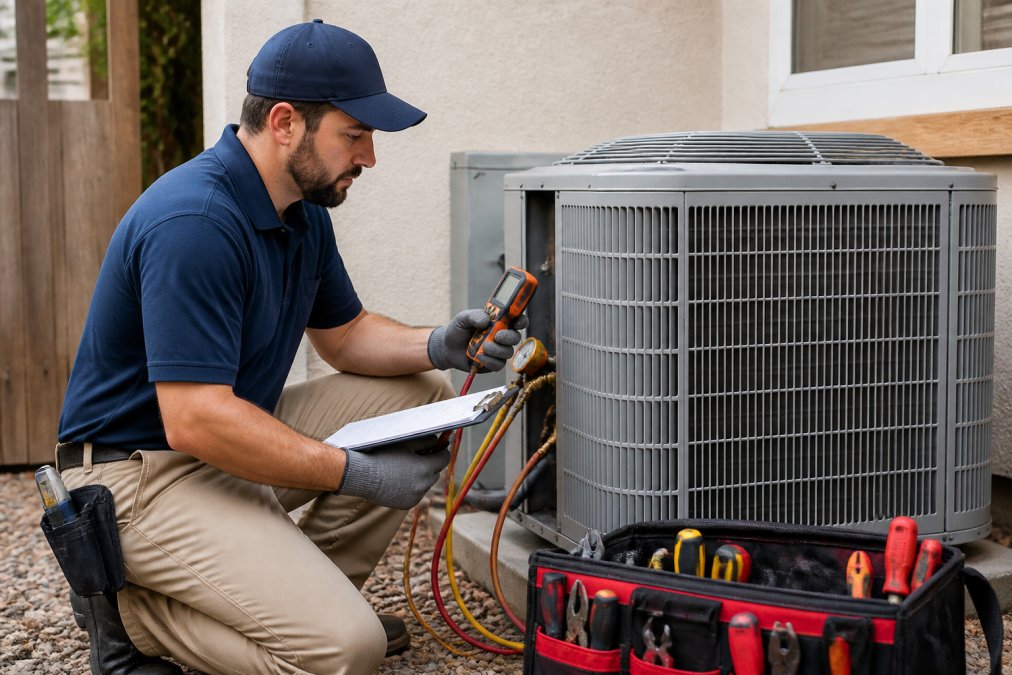
Winter preparation focuses on ensuring your heating system is ready for sustained operation. Schedule a fall tune-up before heating season peaks, ideally in September or early October, before technicians become overwhelmed with emergency calls.
During the seasonal checkup, the technician inspects your furnace or heat pump for proper operation, tests thermostat calibration, checks refrigerant levels if you have a heat pump, and cleans or replaces air filters. They'll inspect ductwork for leaks reducing heating efficiency and verify safety controls are functioning correctly. This catches problems like worn blower motors or failing heat exchangers before mid-winter breakdowns.
DIY maintenance includes replacing furnace filters monthly during heating season, ensuring vents and returns aren't blocked, and keeping outdoor equipment clear of leaves and debris. If you have a heat pump, remove ice buildup from the outdoor unit during freeze cycles.
Thermostat programming reduces energy consumption without sacrificing comfort. Programmable or smart thermostats automate this process and typically pay for themselves through utility savings within a season.
Are HVAC Maintenance Plans Worth the Investment
Whether maintenance plans make financial sense depends on your system's age, local climate, and risk tolerance for emergency repairs. The break-even calculation is straightforward: if your plan costs $250 annually and you'd otherwise pay $200 per tune-up visit, you need just 1.25 emergency service calls at standard rates to recoup the membership cost through discounts alone. Most homeowners experience at least one emergency repair every 2-3 years, making plans mathematically advantageous.
Preventative maintenance extends equipment lifespan: systems receiving regular tune-ups last 15-20 years versus 10-15 years for neglected units (peer-reviewed research). Replacement systems cost $5,000-$10,000 or more, so delaying replacement by a few years through preventative care represents substantial savings (eia.gov). Maintenance also keeps systems running at peak energy efficiency, reducing utility bills by 5-15% (energy.gov).
For newer systems under manufacturer warranty, plans are essential because most warranties require documented preventative maintenance to remain valid. Skipping tune-ups voids coverage, leaving you responsible for expensive repairs.
Contract terms matter significantly. Plans with transparent pricing and no auto-renewal reduce the risk of surprise billing or difficulty canceling.
For homeowners in the San Gabriel Valley and Walnut areas, Air CareSaver's maintenance plans combine local expertise with same-day response capability. Their 21+ years of experience and commitment to accurate diagnostics without upselling means you're paying for legitimate maintenance, not unnecessary repairs.
The real question isn't whether maintenance plans are worth it in theory, it's whether you'll actually maintain your system without them. Most homeowners skip tune-ups when nothing's obviously broken, then face expensive emergency repairs when systems fail during peak season. Maintenance plans remove that decision-making burden by automating the schedule and creating financial incentives for regular service.
Air CareSaver's combination of same-day response, free estimates, and accurate diagnostics makes them the logical choice for homeowners seeking dependable preventative maintenance in your area. Get My Free Quote and discuss which maintenance approach best fits your system's age and comfort priorities.
== FAQ ANSWERS (audit these too, same rules) ===
[1] Q: Is it worth it to get an HVAC maintenance plan? A: HVAC maintenance plans help extend your system's lifespan, maintain manufacturer warranty coverage, and reduce the risk of costly emergency repairs. Plans typically include preventative maintenance visits that catch small issues before they become expensive breakdowns. Whether a plan makes financial sense depends on your system's age, local climate demands, and how often you'd otherwise pay for service calls. Homeowners with older systems or those in climates with intense heating and cooling seasons often see the strongest return on investment.
[2] Q: What should be included in a standard HVAC maintenance checklist? A: A thorough HVAC maintenance visit should cover air filter replacement, thermostat calibration, refrigerant level checks, condenser coil cleaning, system diagnostics, and inspection of electrical connections and components. The technician should document system performance and provide a written report on the condition of your equipment. Some plans include priority scheduling and waived diagnostic fees on future repairs. Always confirm what's included in your specific plan before signing, as coverage varies by provider.
[3] Q: How often should you schedule professional HVAC maintenance? A: Most HVAC professionals recommend at least one annual tune-up, though two visits per year, one in spring for your cooling system and one in fall for your heating system, provides optimal protection. Twice-yearly service allows technicians to perform seasonal checkups before peak demand periods, ensuring your equipment runs at peak efficiency when you need it most. Homes with heavy usage or older systems may benefit from more frequent visits. A preventative maintenance plan typically includes scheduled visits at these recommended intervals.
[4] Q: Do HVAC maintenance plans cover emergency repairs? A: Most HVAC maintenance plans do not cover the full cost of emergency repairs, but they typically include repair discounts (usually 10-20% off standard rates) and priority scheduling when breakdowns occur. Some plans waive diagnostic fees or provide labor discounts on repairs. Plans with higher tiers often offer better emergency benefits. However, maintenance plans are designed to prevent emergencies through regular tune-ups and system diagnostics, not to replace repair coverage. Review your specific plan's terms to understand what emergency benefits are included.
Frequently Asked Questions
Is it worth it to get an HVAC maintenance plan?
HVAC maintenance plans help extend your system's lifespan, maintain manufacturer warranty coverage, and reduce the risk of costly emergency repairs. Plans typically include preventative maintenance visits that catch small issues before they become expensive breakdowns. Whether a plan makes financial sense depends on your system's age, local climate demands, and how often you'd otherwise pay for service calls. Homeowners with older systems or those in climates with intense heating and cooling seasons often see the strongest return on investment.
What should be included in a standard HVAC maintenance checklist?
A thorough HVAC maintenance visit should cover air filter replacement, thermostat calibration, refrigerant level checks, condenser coil cleaning, system diagnostics, and inspection of electrical connections and components. The technician should document system performance and provide a written report on the condition of your equipment. Some plans include priority scheduling and waived diagnostic fees on future repairs. Always confirm what's included in your specific plan before signing, as coverage varies by provider.
How often should you schedule professional HVAC maintenance?
Most HVAC professionals recommend at least one annual tune-up, though two visits per year, one in spring for your cooling system and one in fall for your heating system, provides optimal protection. Twice-yearly service allows technicians to perform seasonal checkups before peak demand periods, ensuring your equipment runs at peak efficiency when you need it most. Homes with heavy usage or older systems may benefit from more frequent visits. A preventative maintenance plan typically includes scheduled visits at these recommended intervals.
Do HVAC maintenance plans cover emergency repairs?
Most HVAC maintenance plans do not cover the full cost of emergency repairs, but they typically include repair discounts (usually 10-20% off standard rates) and priority scheduling when breakdowns occur. Some plans waive diagnostic fees or provide labor discounts on repairs. Plans with higher tiers often offer better emergency benefits. However, maintenance plans are designed to prevent emergencies through regular tune-ups and system diagnostics, not to replace repair coverage. Review your specific plan's terms to understand what emergency benefits are included.
This article was written using GrandRanker