 listicle
Benefits of Professional HVAC Diagnostics
Table of Contents
- Why Professional HVAC Diagnostics Matter
- Identifying Root Causes vs. Symptoms
- How Long Does an HVAC Diagnostic Take
- Signs Your HVAC Needs a Professional Inspection
- Preventing Expensive Emergency Repairs Through Early Detection
- Average HVAC Diagnostic Cost and ROI
- Advanced Diagnostic Tools and Technology
- Frequently Asked Questions
Last Updated: August 29, 2026
Why Professional HVAC Diagnostics Matter
When your air conditioning system stops working in July or your heating fails in December, the instinct is to call the first technician available and hope they fix it quickly. But here's what most homeowners don't realize: a proper diagnostic isn't just about getting your system running again. It's about understanding what actually caused the failure so you don't pay for the same repair twice.
Professional HVAC diagnostics represent the difference between guessing at what's wrong and knowing exactly what needs to be fixed. At Air CareSaver, we've spent over 21 years helping homeowners and businesses in the San Gabriel Valley avoid the costly trap of unnecessary repairs and premature system replacements. A thorough diagnostic identifies root causes, not just symptoms, which means fewer callbacks, lower repair costs, and a system that runs efficiently for years longer.
The real value of professional HVAC diagnostics goes beyond the immediate repair. When a technician properly diagnoses your system, they're creating a roadmap for maintenance that prevents future breakdowns. They're identifying efficiency losses that inflate your utility bills. They're spotting component wear before it becomes catastrophic. This is why understanding the benefits of professional HVAC diagnostics should matter to every homeowner with a heating or cooling system.
Identifying Root Causes vs. Symptoms
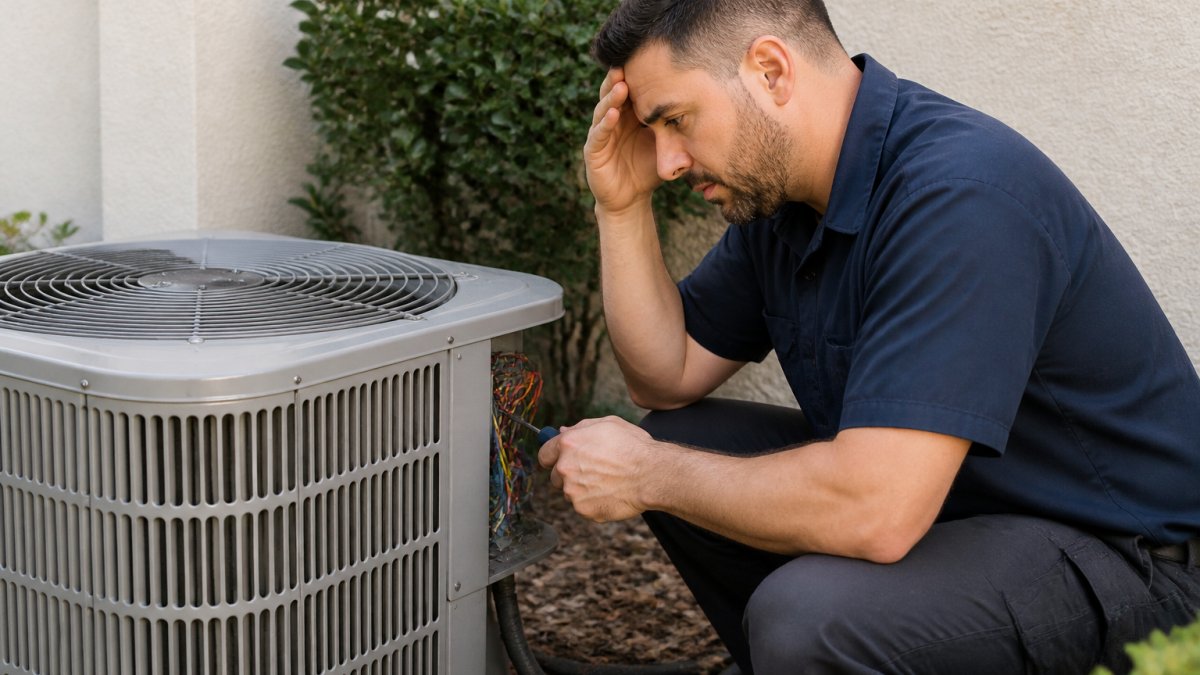
The distinction between root cause and symptom is where most DIY troubleshooting falls apart. Your AC blows warm air, that's a symptom. The actual problem could be low refrigerant, a failing compressor, restricted airflow, or a malfunctioning expansion valve. Without proper diagnostic equipment, you're essentially guessing, and guessing wrong costs money.
A professional diagnostic identifies what's actually happening inside your system. Is the compressor running but not compressing? Is the evaporator coil frozen? Are electrical connections corroded? These aren't questions you can answer by listening to the unit or checking the thermostat. They require specialized tools and trained expertise.
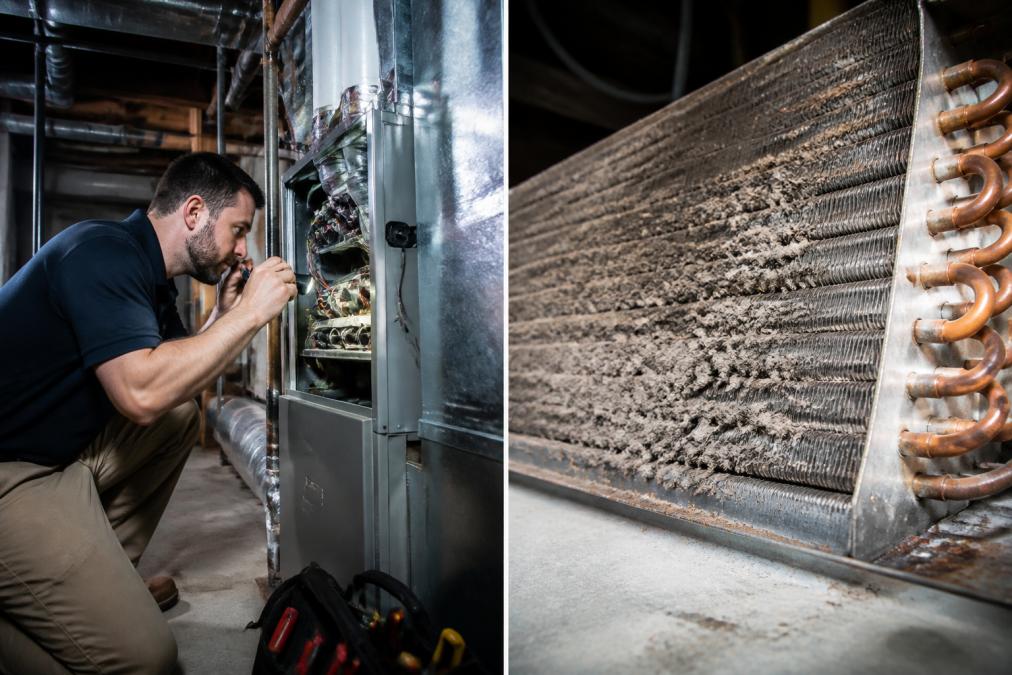
When Air CareSaver performs a diagnostic, we're not just identifying the immediate problem. We're tracing the chain of events that led to the failure. A compressor might have failed because the system was low on refrigerant for months, forcing it to work harder than designed. The refrigerant leak itself might be the actual root cause. Without identifying the leak, you replace the compressor, and the new one fails the same way within a year.
This systematic approach saves money because you're addressing the actual problem, not just the symptom that brought you to call for help. It also prevents the domino effect where one overlooked issue cascades into multiple component failures. A proper root cause analysis can reveal maintenance gaps, which means they can be addressed before they become emergencies.
How Long Does an HVAC Diagnostic Take
The time required for a professional HVAC diagnostic varies based on system complexity and the nature of the problem, but most comprehensive diagnostics take between 45 minutes and two hours. For straightforward issues where the problem is immediately apparent, you might be looking at 30 to 45 minutes. For systems with intermittent problems or complex issues requiring multiple measurements and tests, plan for closer to two hours.
Air CareSaver's approach to timing is straightforward: we take as long as necessary to get accurate results, not to pad the bill. A rushed diagnostic is a failed diagnostic. Proper testing of refrigerant pressures, electrical connections, airflow, and system calibration can't be hurried without compromising accuracy.
The diagnostic process itself follows a logical sequence. First comes the visual inspection and system history review. Then the technician tests electrical connections and voltage to ensure components are receiving proper power. Refrigerant pressure readings come next, along with temperature measurements at various points in the system. Finally, airflow measurements and thermostat accuracy checks complete the picture. Each step builds on the previous one, and skipping any of them means missing potential problems.
What most homeowners don't anticipate is that the diagnostic doesn't end when the technician leaves. A professional creates a detailed report of findings, explains what's happening in plain language, and outlines repair options with honest cost-benefit analysis. This documentation is valuable for future reference and helps you make informed decisions about your system's future rather than reactive decisions in a panic.
Signs Your HVAC Needs a Professional Inspection
Waiting until your system completely fails is the most expensive approach to HVAC ownership. Several warning signs indicate you should schedule a professional inspection before you're left without heating or cooling.
Unusual sounds are often the first indicator something is wrong. A grinding noise typically means metal components are wearing against each other. A high-pitched squeal suggests bearing problems or refrigerant issues. A rattling sound could indicate loose components or debris in the system. None of these sounds should be ignored, they're your system telling you it's stressed.
Reduced cooling or heating capacity is another clear signal. If your system is running but your home isn't reaching the set temperature, something is restricting performance. This could be low refrigerant, a clogged filter, ductwork problems, or component wear. The longer you run a system that's struggling, the more damage accumulates.
Visible leaks around your system are never normal. Refrigerant leaks are particularly serious because they degrade system performance while potentially creating environmental and health concerns. Water leaks around the indoor unit suggest drainage problems that can lead to mold growth. Both require professional attention.
Higher than normal utility bills often indicate HVAC system inefficiency before you notice any other symptoms. Your system might be cycling more frequently, running longer to achieve temperature, or losing conditioning through ductwork problems. An energy audit and professional diagnostic can pinpoint what's driving costs up.
A system that's over 10 years old should receive annual professional inspections even if it seems to be working fine. Component wear accelerates with age, and catching problems early prevents emergency repairs. Older systems also accumulate efficiency losses that a professional can identify and address.
Preventing Expensive Emergency Repairs Through Early Detection
Emergency HVAC repairs happen at the worst possible times, middle of summer heat waves, dead of winter cold snaps, or during business hours when you can't afford downtime. The financial impact extends beyond the repair cost itself. You're paying premium rates for emergency service, potentially losing productivity, and dealing with customer dissatisfaction if you run a business.
Regular professional diagnostics identify problems before they become emergencies. A technician might discover that a component is showing early wear, allowing you to schedule replacement during convenient timing rather than having it fail catastrophically. This preventative approach transforms HVAC maintenance from a reactive expense to a planned investment.
The cost difference between a planned repair and an emergency repair is substantial. A planned service call includes time for proper diagnosis, sourcing parts, and careful installation. An emergency call adds urgency pricing, potentially requires expedited parts shipping, and often happens when technician availability is limited. By catching problems early through professional diagnostics, you avoid this premium entirely.
Air CareSaver's approach to prevention includes identifying components approaching the end of their service life. A refrigerant leak detected during a routine diagnostic can be repaired before it completely disables your system. A compressor showing electrical stress can be replaced on your schedule rather than failing suddenly. This early detection prevents the cascade of failures that turns a single component problem into a system-wide emergency.
Beyond the immediate financial benefit, early detection extends your system's overall lifespan. A component operating under stress degrades other components around it. Fixing problems early means your system doesn't have to compensate for failure points, which reduces wear across the board. Regular diagnostics and maintenance can add years of useful life to HVAC systems.
Average HVAC Diagnostic Cost and ROI
Understanding the cost of a professional diagnostic and its return on investment helps frame the decision. Diagnostic fees vary based on system complexity, but they represent a small fraction of what you'll spend if a misdiagnosis leads to unnecessary repairs or premature system replacement.
The real ROI of a professional diagnostic comes from what it prevents. If a diagnostic costs a moderate amount but saves you from an unnecessary compressor replacement, the math is clear. If it identifies a simple repair that prevents a system failure down the road, the diagnostic paid for itself many times over. The diagnostic fee is essentially insurance against expensive mistakes.
Air CareSaver offers free estimates, which means you can get a professional assessment of your system's condition without upfront cost. This removes the barrier to getting accurate information about what's actually wrong with your HVAC system. Once you know the real problem, you can make informed decisions about repair versus replacement.
When evaluating whether a diagnostic is worth the cost, consider what you're actually buying: accuracy. A technician using advanced diagnostic tools can identify problems that would otherwise require expensive trial-and-error repairs. They can tell you definitively whether a component can be repaired or must be replaced. They can explain whether an apparent problem is actually a minor issue or a sign of larger system problems.
The ROI extends beyond the immediate repair decision. A thorough diagnostic creates documentation of your system's condition, which is valuable if you're selling your home or planning future upgrades. It establishes a baseline for monitoring system performance over time. It gives you confidence that any repairs recommended are actually necessary rather than suggested to increase the bill.
Advanced Diagnostic Tools and Technology
Professional HVAC diagnostics rely on specialized equipment that most homeowners don't have access to. Understanding what these tools do helps explain why professional diagnostics are more reliable than visual inspection alone.
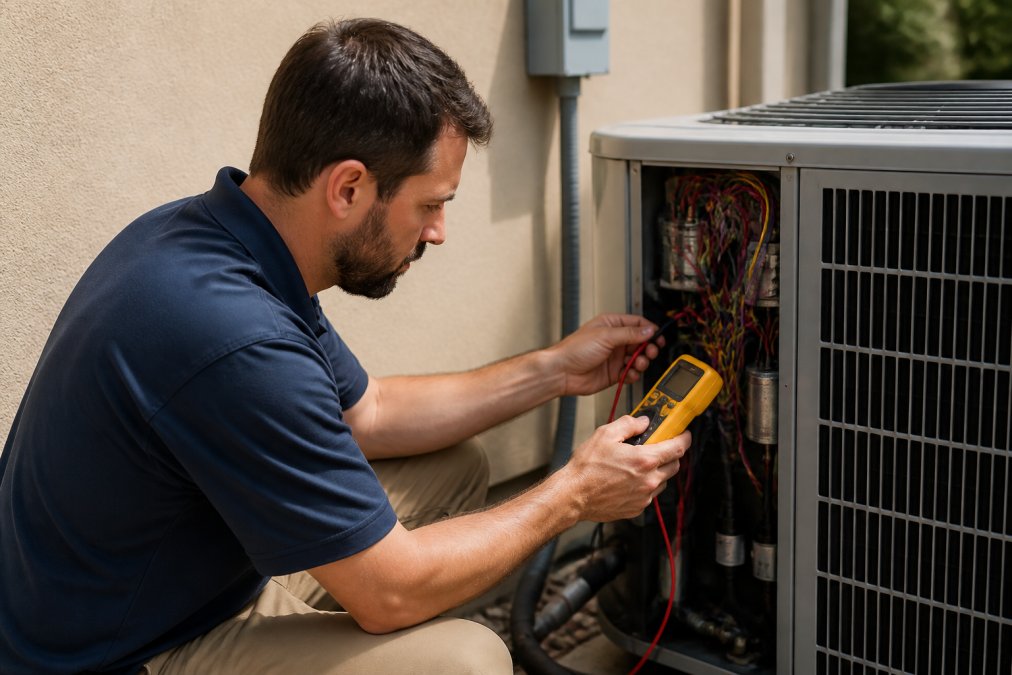
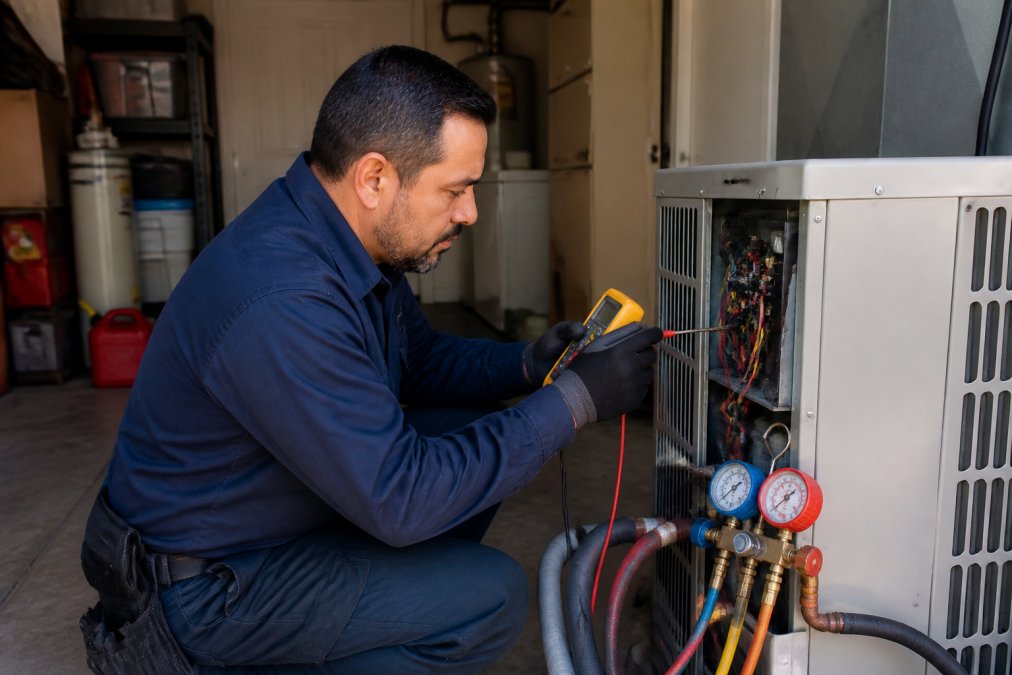
Digital multimeters designed for HVAC work measure electrical parameters with precision. They test voltage at various points in the system to ensure components are receiving proper power. They measure microamps to diagnose problems with flame sensors and other sensitive electrical components. A multimeter provides temperature measurements and detects ghost voltage that could indicate dangerous electrical faults. This level of electrical diagnostic capability is fundamental to identifying whether problems are mechanical or electrical.
Refrigerant system analysis requires specialized manifold gauges that measure high and low side pressures, temperature, and vacuum levels. Tools can automatically calculate superheat and subcooling, measurements that tell a technician whether the system is properly charged and functioning within design parameters. A system running with incorrect superheat or subcooling is either overcharged or undercharged, both of which degrade efficiency and component lifespan. Without these measurements, you're guessing at refrigerant levels.
Leak detection technology has evolved significantly beyond simply listening for hissing sounds. Fluorescent dye kits allow technicians to pinpoint even tiny refrigerant leaks that would otherwise require expensive component replacement to locate. An ultrasonic leak detector can identify leaks in compressed air systems and other components by detecting the high-frequency sounds generated by turbulent flow through a leak.
Advanced diagnostic platforms use AI-powered decision trees to guide technicians through systematic troubleshooting. These tools ensure consistent, thorough diagnostics and generate professional reports that document findings and recommendations. A system nameplate scanner quickly captures equipment data, eliminating transcription errors that could lead to incorrect parts ordering.
Temperature and airflow measurement instruments provide comprehensive data about system performance. They measure air velocity, volume flow, temperature, humidity, and CO2 levels. This information reveals whether ductwork is delivering conditioned air effectively, whether the system is maintaining proper humidity levels, and whether indoor air quality is adequate. These measurements identify efficiency losses and comfort problems that wouldn't be apparent without the data.
The investment in advanced diagnostic tools represents a commitment to accuracy. Air CareSaver's technicians use professional-grade equipment to gather precise data about your system's condition. This technology-backed approach eliminates guesswork and ensures that repair recommendations are based on measurable evidence rather than assumptions.
Professional HVAC diagnostics aren't an optional expense, they're the foundation of smart system ownership. When your heating or cooling system isn't performing properly, a proper diagnostic identifies what's actually wrong so you can make informed decisions about repair, maintenance, or replacement. The cost of a diagnostic is trivial compared to the cost of guessing wrong.
Air CareSaver brings over 21 years of licensed expertise to every diagnostic, using advanced tools and systematic methodology to identify root causes. Our same-day response and free estimates mean you can get accurate information about your system's condition without delay or upfront cost. We focus on honest diagnostics that prevent unnecessary repairs and unnecessary system replacements, because your comfort and your budget both matter.
U.S. Environmental Protection Agency guidance on refrigerant safety and regulations
Department of Energy resources on improving home heating and cooling efficiency
Frequently Asked Questions
Q: What is the average HVAC diagnostic cost?
A: The cost of an HVAC diagnostic depends on your system's complexity, location, and the technician's expertise. Rather than guessing, contact Air CareSaver for a free estimate. This transparent approach ensures you know exactly what you're paying for before any work begins, with no hidden fees or surprise charges for the inspection itself.
Q: How long does an HVAC diagnostic take?
A: A thorough professional HVAC diagnostic typically takes 1-2 hours, depending on your system's age, size, and the extent of issues being investigated. The technician will test electrical connections, measure refrigerant levels, check airflow, and examine ductwork integrity. This comprehensive assessment takes time but catches problems that quick inspections miss, saving you money in the long run.
Q: Can professional diagnostics prevent future HVAC breakdowns?
A: Yes. Professional diagnostics identify component wear and tear, refrigerant leaks, and calibration issues before they cause system failure. By catching these problems early through predictive maintenance, you avoid emergency repairs during peak seasons when technicians are overwhelmed and costs spike. Regular diagnostics extend your HVAC unit lifespan and keep operational costs low.
Q: What signs indicate your HVAC needs a professional inspection?
A: Watch for rising utility bills without explanation, uneven cooling or heating across rooms, strange noises or odors, reduced airflow, or a system that cycles on and off frequently. These are warning signs your HVAC needs professional inspection. Older systems (10+ years) should be inspected annually. Don't wait for a complete breakdown, early detection through professional diagnostics prevents costly emergency repairs and maintains system reliability.
This article was written using GrandRanker