 listicle
Benefits of Annual AC Maintenance Tune Up
Table of Contents
- What an Annual AC Maintenance Tune Up Actually Includes
- AC Maintenance Checklist: What Gets Inspected and Cleaned
- How Often Should You Service Your AC? Seasonal Timing Strategy
- The Real Benefits of Annual AC Maintenance Tune Up
- AC Tune-Up Cost: What You Pay For and What You Avoid
- DIY vs. Professional AC Maintenance: Where the Line Is
- How Annual Maintenance Affects Your Manufacturer Warranty
- Frequently Asked Questions
Last Updated: September 16, 2026
What an Annual AC Maintenance Tune Up Actually Includes
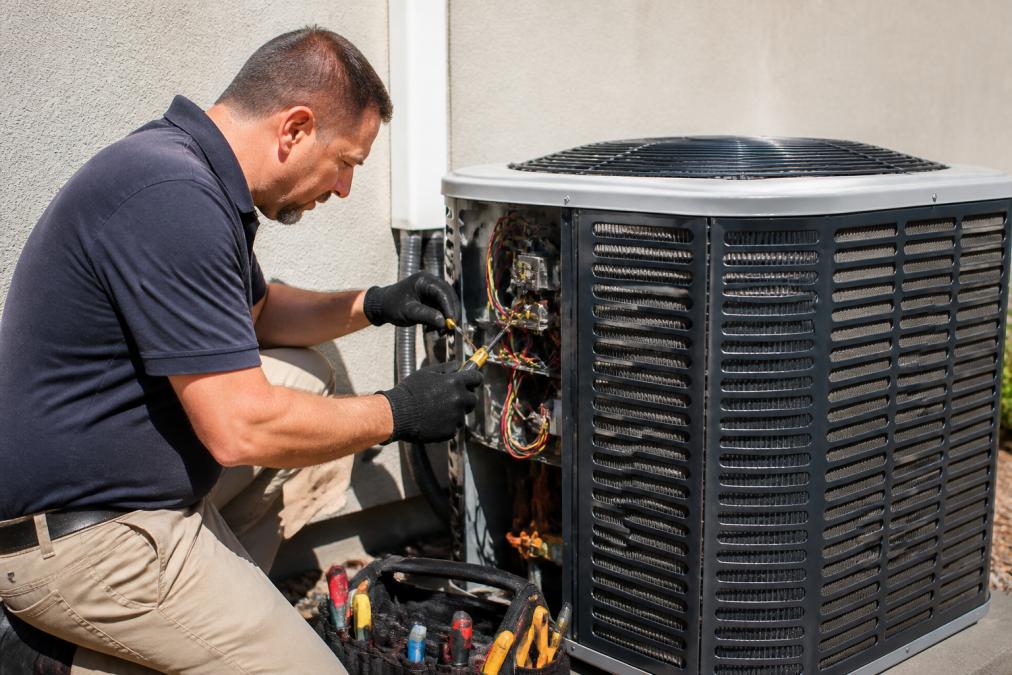
An annual AC maintenance tune up is a scheduled service visit where a technician inspects, cleans, and tests every major component of your cooling system before problems start. At Air CareSaver, we've run these visits across the San Gabriel Valley for more than two decades. Preventative maintenance can help reduce the frequency of system breakdowns.
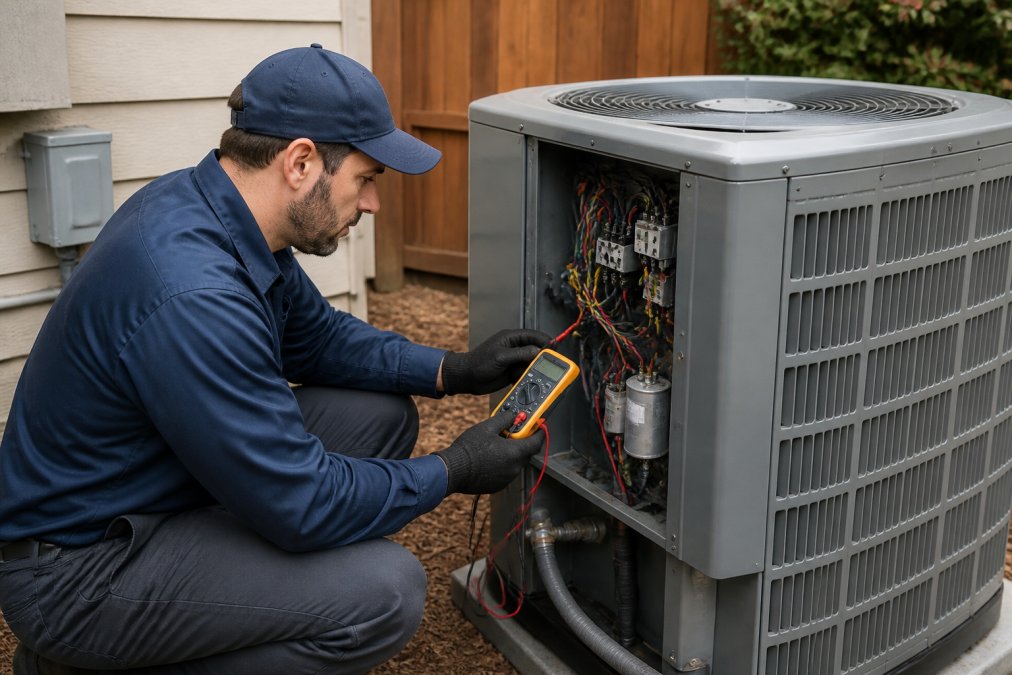
Beyond the Filter: What Technicians Check
Filter replacement is the visible part. The rest happens inside the unit and along the lines that connect it to your home.
- Refrigerant levels and pressure readings to confirm the system isn't running low or leaking
- Condenser and evaporator coils, which collect dust and lose cooling capacity when dirty
- Electrical components, including capacitors, contactors, and wiring connections
- The compressor and blower motor, the two parts most expensive to replace
- The drain line, which clogs and can cause water damage when ignored
AC Maintenance Checklist: What Gets Inspected and Cleaned
Every reputable tune-up follows a similar sequence. Use this checklist to know what you're paying for, and to ask questions if a technician skips a step.
- Replace or clean the air filter
- Inspect and clean condenser coils
- Inspect and clean evaporator coils
- Check refrigerant levels and pressures
- Test capacitors, contactors, and voltage and amperage draw
- Lubricate moving parts on the blower motor
- Flush the condensate drain line
- Calibrate the thermostat
- Inspect ductwork for leaks and blockages
- Measure temperature differential between return and supply air
How Often Should You Service Your AC? Seasonal Timing Strategy
Once a year is the standard answer, and spring is the right window. Scheduling in early spring, before the first heat wave, means your system is ready when demand peaks and you're not competing for an appointment slot.
| Timing | Best For | What It Prevents |
|---|---|---|
| Early spring | Most homes | Peak-season wait times and surprise failures |
| Late spring | Homes with mild use | Missed pre-summer prep |
| Fall | Older systems, heavy use | Winter heating failures |
| Never | Nobody | Higher bills, shorter lifespan, voided warranties |
The Real Benefits of Annual AC Maintenance Tune Up
The benefits of annual AC maintenance tune up go well beyond a cleaner unit. They show up in your utility bills, your system's lifespan, and the air your family breathes. Here's how each one works.
Lower Energy Bills and Better Efficiency
A dirty coil or low refrigerant charge forces the compressor to work harder to reach the same temperature. That extra effort shows up directly on your utility bill. Preventative maintenance restores cooling capacity and helps the system run closer to its rated efficiency, which is why many homeowners notice lower summer bills after a tune-up.
Fewer Breakdowns and a Longer System Lifespan
Most HVAC failures don't happen without warning. Worn capacitors, loose connections, and small refrigerant leaks all give off signals that a trained technician can catch. Catching them early is the difference between a minor repair and a full system replacement. Regular service also reduces the wear and tear that shortens a system's lifespan, so you get more years out of the equipment you already own.
Cleaner Indoor Air and Safer Operation
A clean filter and clean coils mean cleaner air moving through your home. That matters for anyone with allergies or respiratory concerns. Safety checks matter too: technicians inspect electrical components for signs of overheating, and they verify that the system isn't drawing unsafe voltage or amperage. These checks protect your home, not just your comfort.
AC Tune-Up Cost: What You Pay For and What You Avoid
Pricing for an AC tune-up depends on your system type, its age, and what the visit uncovers, so the honest answer is that it varies. What you're paying for is labor, diagnostic time, and the cleaning and testing that keeps the system running. What you're avoiding is the far larger cost of an emergency repair or a premature replacement.
What a Typical Visit Costs
Pricing for an AC tune-up depends on your system type, its age, and what the visit uncovers, so the honest answer is that it varies. Several factors push the number up or down:
- Number of systems. A two-story home with two condensers and two air handlers usually doubles the base price.
- System type. A standard split system is the cheapest to service. Mini-splits, packaged units, and heat pumps each carry their own time requirements.
- Add-ons. Coil cleaning chemicals, drain-line treatments, and duct inspections are sometimes bundled and sometimes billed separately.
- Membership plans. Many contractors offer a maintenance agreement that spreads two visits across the year for a monthly fee, which typically works out cheaper per visit than paying à la carte.
What You're Actually Avoiding
A tune-up is cheap next to the failures it prevents. A few common outcomes when maintenance is skipped:
- Compressor replacement. The compressor is a significant component in the system, and a full replacement, parts plus labor, can be a substantial expense.
- Refrigerant leak repair. Locating and sealing a leak, then recharging the system, is a multi-hour job that requires certified handling.
- Emergency service calls. After-hours and peak-season rates are higher than standard appointments, and wait times stretch when demand spikes.
- Full system replacement. A system that dies years early because of neglected wear costs far more than every tune-up it ever missed, combined.
The Break-Even Math
Air CareSaver offers free estimates, so you know what a visit involves before you commit.
DIY vs. Professional AC Maintenance: Where the Line Is
Some tasks are safe to handle yourself. Others require tools, training, and licensing that a homeowner simply doesn't have.
Safe for DIY:
- Replacing the air filter every one to three months
- Clearing debris from around the outdoor unit
- Keeping vents and returns unobstructed
- Checking the thermostat settings and batteries
Best left to a professional:
- Handling refrigerant, which is regulated and requires certification (the EPA)
- Testing electrical components for voltage and amperage
- Cleaning the evaporator coil, which sits inside the air handler
- Diagnosing compressor or blower motor issues
How Annual Maintenance Affects Your Manufacturer Warranty
Most manufacturers require proof of regular professional maintenance to honor warranty claims on major components. Skip the service visits, and a failed compressor that would have been covered can become your bill instead. This is one of the most overlooked reasons to schedule a tune-up, and one of the few that has a paper trail attached.
How the Requirement Actually Works
When a manufacturer sells a system with a five- or ten-year parts warranty, that warranty is conditional. The fine print typically states that the equipment must be installed by a licensed contractor and maintained according to the manufacturer's schedule, which almost always means an annual inspection by a qualified technician. If a covered part fails and the manufacturer asks for maintenance records, and you don't have them, the claim can be denied, even if the part itself was defective.
What Counts as Proof
You don't need a shoebox of receipts. You need a clean record. Keep:
- Dated invoices from each service visit, showing the technician's name and license number
- The checklist or report the technician completed, including any readings taken
- Filter replacement dates, since filter neglect is one of the most common reasons a manufacturer points to homeowner negligence
- Registration confirmation for the equipment itself, since many warranties require registration within a set window after installation
The Cost Asymmetry
A compressor is a significant component in a residential cooling system, and a replacement, parts plus labor, can be a substantial expense. If that compressor is still under a parts warranty, the manufacturer covers the part and you cover the labor. If the warranty is voided for lack of maintenance, you cover both. The gap between those two outcomes is usually far larger than the cumulative cost of every tune-up you would have needed to keep the warranty intact.
A Note on Extended Warranties
Third-party home warranty and extended service plans often impose their own maintenance requirements, and they tend to be stricter than the manufacturer's. Many require documented annual service as a condition of coverage, and some specify the type of provider who must perform it. If you carry one of these plans, check the terms before you book a tune-up, the cheapest option isn't always the one that keeps your coverage valid.
Frequently Asked Questions
Is a yearly AC tune up necessary?
Yes, a yearly AC tune up is necessary for most systems. It keeps refrigerant levels, condenser coils, and electrical components within manufacturer specifications, which helps prevent unexpected breakdowns and maintains energy efficiency. Skipping annual maintenance may void manufacturer warranties that require documented service. Air CareSaver recommends scheduling a tune up every spring before peak cooling season.
How much money can I save on energy bills with regular AC maintenance?
Regular AC maintenance can lower utility bills by keeping the system running at peak efficiency. A dirty air filter or clogged condenser coils force the compressor to work harder, raising energy use. While savings vary by system age and home size, annual tune ups help you avoid the gradual efficiency loss that occurs without service. Air CareSaver offers free estimates and can diagnose whether your high bills stem from HVAC issues or other causes.
What specific tasks are included in a professional AC tune-up?
A professional AC tune-up includes replacing or cleaning the air filter, cleaning condenser and evaporator coils, checking refrigerant levels, inspecting electrical components like capacitors and contactors, testing voltage and amperage, clearing the drain line, calibrating the thermostat, and checking blower motor performance. Technicians also inspect ductwork for leaks and verify the cooling cycle operates within factory specs. This AC maintenance checklist goes beyond what most homeowners can safely DIY.
Does annual maintenance prevent common AC breakdowns?
Annual maintenance catches small issues before they become major failures. Technicians identify worn capacitors, low refrigerant, or dirty coils during a tune up, which are common causes of mid-summer breakdowns. Air CareSaver's preventative maintenance plans focus on accurate diagnostics without unnecessary parts or guesswork, reducing the chance of an unexpected breakdown when you need cooling most. Same-day response is available if a breakdown does occur.