 how-to
How to Improve Home AC Energy Efficiency
Table of Contents
- How to Improve Home AC Energy Efficiency
- Energy Efficient Thermostat Settings That Lower Your Bills
- AC Maintenance Checklist for Peak Performance
- Sealing Air Leaks and Improving Ductwork Efficiency
- Signs of Inefficient HVAC System Performance
- Benefits of Professional HVAC Tune-Ups
- Smart Home Integration and Advanced Cooling Strategies
- Frequently Asked Questions
Last Updated: September 23, 2026
How to Improve Home AC Energy Efficiency
Your air conditioning system works hard during hot months. A typical home AC unit runs for hours each day, consuming significant energy. The good news: you don't need a new system to cut cooling costs. Small changes to how you operate and maintain your AC can deliver real savings on your utility bills.
This guide from Air CareSaver covers practical steps to boost your home ac energy efficiency without major expenses. Whether your system is brand new or several years old, these strategies work. Below, we'll show you exactly how to improve home ac energy efficiency through maintenance, smart settings, and strategic upgrades.
Energy Efficient Thermostat Settings That Lower Your Bills
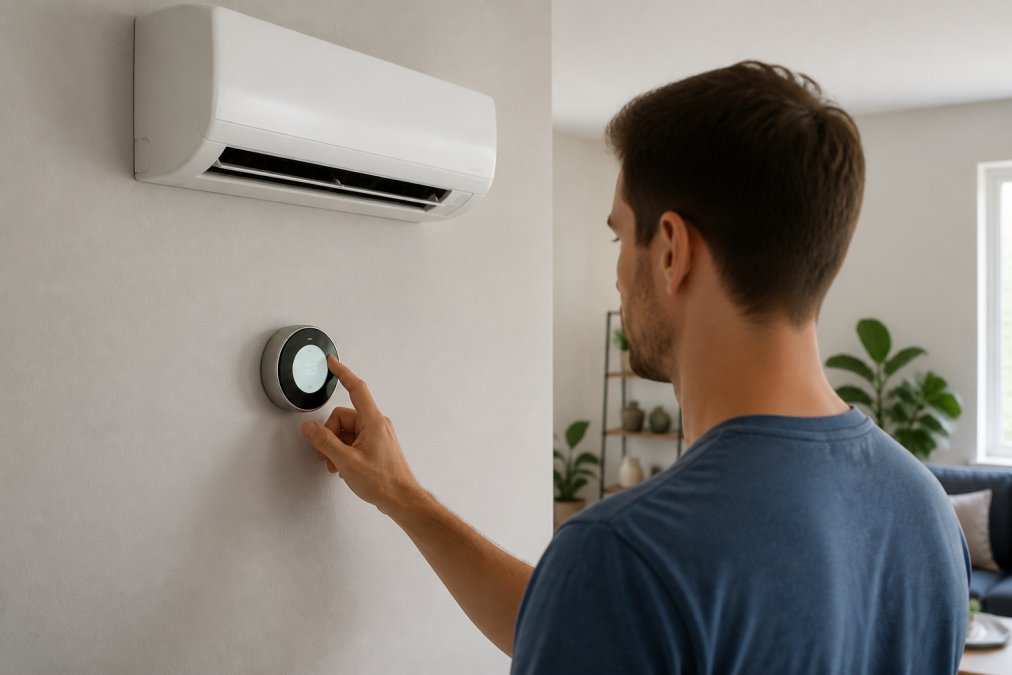
Your thermostat controls everything. The right settings can cut your cooling costs by a meaningful amount without sacrificing comfort.
Start with the basics. Set your thermostat to 78°F when you're home and awake. Raise it to 82°F or higher when you're away or sleeping. Every degree higher saves energy. A programmable thermostat automates these changes, so you don't have to remember.
Smart thermostats take this further. They learn your schedule and adjust temperatures automatically. Some models track your energy consumption in real time, showing you exactly when your system runs hardest.
A few practical rules:
- Avoid setting your thermostat below 72°F during peak heat hours
- Use the fan setting wisely, set it to "auto" rather than "on" so it only runs when cooling is needed
- Don't switch between heating and cooling mode frequently
- Keep your thermostat away from direct sunlight, which tricks the sensor into thinking your home is warmer than it actually is
The mistake most people make is treating their thermostat like a light switch, cranking it down when they feel hot, then forgetting about it. Consistent, moderate settings beat constant adjustments.
AC Maintenance Checklist for Peak Performance
Regular maintenance keeps your system running efficiently. A neglected AC unit works harder, uses more energy, and breaks down sooner.
Air Filter Replacement Schedule
Your air filter is the easiest maintenance task you can do. A clogged filter forces your system to work harder, wasting energy and reducing cooling power.
Check your filter every month during cooling season. Replace it when it looks dirty or gray. Most homes need a new filter every 30 to 90 days, depending on dust levels and pet hair.
Use a higher-quality filter if you can. MERV 13 filters trap more dust and pollen without restricting airflow too much. They cost a few dollars more but last longer and improve indoor air quality.
Quick checklist:
- Check filter monthly
- Replace when visibly dirty
- Mark your calendar for quarterly checks
- Keep spare filters on hand
Cleaning Your Outdoor Condenser Unit
Your outdoor condenser unit releases heat from your home. Dirt and debris clog the coils, forcing your system to work overtime.
Shut off power to your AC unit first. Use a soft brush or vacuum to gently remove dirt from the fins. Spray the coils with a garden hose at low pressure, never use high pressure, which can bend the fins.
Clear away leaves, grass clippings, and debris from around the unit. Keep at least two feet of space on all sides. Trim bushes and tree branches that hang over it. Blocked airflow makes your system less efficient.
Do this twice per cooling season: once in spring before you start using your AC regularly, and once in mid-summer.
Sealing Air Leaks and Improving Ductwork Efficiency
Cool air escapes through gaps and leaks in your home's envelope and ductwork. Sealing these leaks keeps your cool air inside where it belongs and is one of the highest-ROI efficiency improvements available.
Window and Door Weatherization
Check for air leaks around windows and doors first. Feel for drafts on windy days. Weatherstripping and caulk are inexpensive fixes. Replace worn weatherstripping around doors and windows. Caulk gaps around door frames and window frames.
Priority areas for sealing:
- Seal gaps around baseboards where walls meet the floor
- Caulk around electrical outlets and light fixtures in exterior walls
- Weatherstrip doors that lead outside
- Seal penetrations where refrigerant lines and electrical wires enter the home
Ductwork Efficiency: The Hidden Energy Drain
Your ductwork carries cool air throughout your home. Leaky ducts waste energy, and the problem is often invisible. Homes can lose a significant amount of cooled air through ductwork leaks before it reaches the rooms you're cooling. In humid climates, this problem worsens because leaky return ducts pull unconditioned, moisture-laden air into the system, forcing your compressor to work harder.
Understanding duct leakage locations:
Supply duct leaks (where cool air escapes into unconditioned spaces like attics) are the most obvious efficiency problem. Return duct leaks are equally damaging but harder to spot, they pull warm, humid air back into your system, reducing cooling capacity and increasing humidity levels inside your home.
If your ducts run through unconditioned spaces like attics, crawl spaces, or exterior walls, they lose more cooling power. Uninsulated ducts in a 130°F attic can lose 10-15°F of temperature before the air reaches your bedroom.
DIY duct improvements:
- Seal duct joints with mastic sealant (a putty-like compound) or metal foil tape. Avoid cloth duct tape, which degrades over time.
- Insulate exposed ductwork in attics or basements with fiberglass wrap rated R-6 or higher.
- Check for disconnected or sagging ducts that have separated from their connections.
- Visually inspect ducts for obvious holes, punctures, or crushed sections.
When to call a professional:
If ducts are buried in walls, inaccessible, or you suspect significant leakage, a professional duct blower test (blower door test) measures actual leakage rates. This diagnostic identifies whether sealing is cost-justified. Professional duct sealing using mastic and insulation can pay for itself through energy savings, especially in hot climates where AC runs frequently.
In arid climates, duct sealing is primarily an efficiency play. In humid climates, sealing return ducts also prevents moisture infiltration, which improves indoor air quality and reduces mold risk, a secondary benefit that justifies the investment.
Signs of Inefficient HVAC System Performance
Knowing when your system is struggling helps you catch problems early. Some signs point to efficiency issues that need attention.
Your AC runs constantly but your home stays warm. The system cycles on and off frequently without reaching your target temperature. Your utility bills spike even though your usage hasn't changed. You hear unusual noises: hissing, grinding, or rattling sounds.
Uneven cooling is another red flag. Some rooms stay cool while others feel stuffy and warm. This often points to ductwork problems or a system that's undersized for your home.
Ice buildup on refrigerant lines means your system isn't functioning properly. Moisture or refrigerant leaks cause this. A professional should inspect your system immediately if you see ice.
Air coming from vents feels weak or barely cool. Your compressor might be failing, or refrigerant levels might be low. Both issues reduce cooling power and waste energy.
The age of your system matters too. AC units typically last 10 to 15 years. Systems older than this work harder and less efficiently. If your system is approaching the end of its life and needs frequent repairs, replacement might save money long term.
Benefits of Professional HVAC Tune-Ups
DIY maintenance handles the basics. Professional tune-ups catch problems you can't see and optimize your system for peak performance.
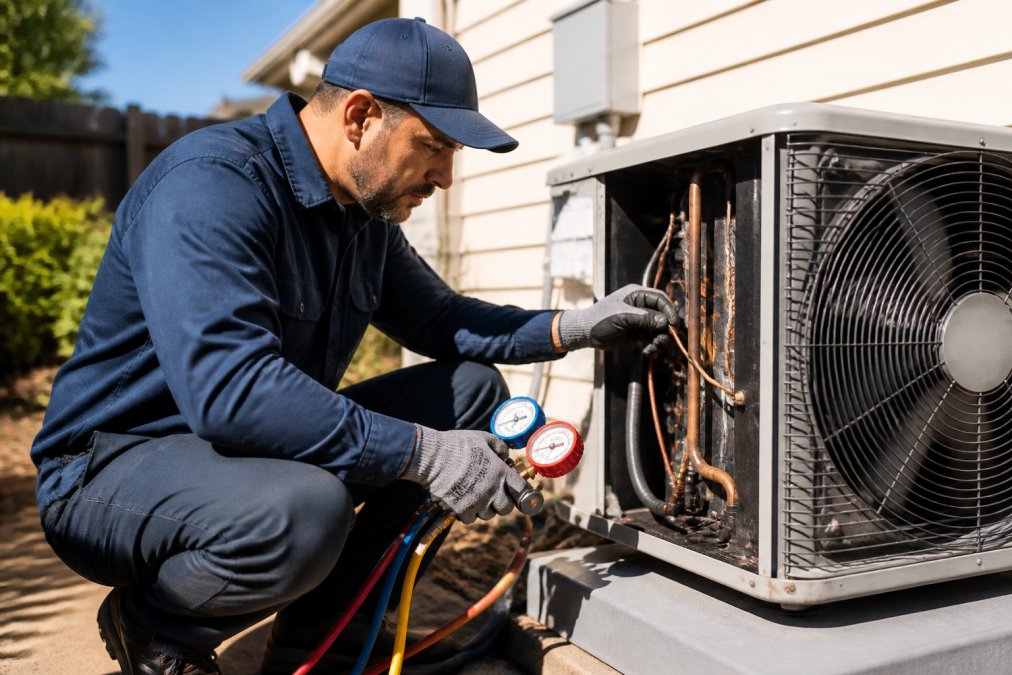
A professional technician checks refrigerant levels, tests airflow, cleans coils thoroughly, and inspects electrical connections. They measure temperature differences to confirm your system is cooling properly. They identify worn parts before they fail, preventing expensive breakdowns.
Most professionals recommend a tune-up once per year, ideally in spring before cooling season starts. Some recommend two tune-ups annually: one before summer and one before winter.
A tune-up typically costs less than an emergency repair call. It extends your system's life, improves efficiency, and prevents the stress of your AC breaking down on the hottest day of the year.
Air CareSaver technicians perform detailed diagnostics without pushing unnecessary repairs.
Smart Home Integration and Advanced Cooling Strategies
Modern smart home technology goes beyond basic programmable thermostats. Integration with your home automation system unlocks new efficiency opportunities.
Consider these smart strategies:
- Use smart vents to redirect airflow to occupied rooms
- Install a smart thermostat that learns your schedule
- Add ceiling fans in main living areas
- Use smart lighting to reduce heat gain from lights
- Install window blinds that close automatically during peak sun hours
Frequently Asked Questions
What is the most efficient temperature to set my thermostat for energy savings?
The EPA recommends setting your thermostat to 78°F when home and raising it by 7-10 degrees when away or sleeping. During summer, each degree above 78°F can reduce energy consumption by 1-3%. Smart thermostats that automatically adjust temperatures based on occupancy patterns typically save homeowners 10-15% on cooling costs annually. Programmable models allow you to create schedules that match your daily routine without manual adjustments.
How often should I replace my air filter to maintain AC efficiency?
Standard 1-inch air filters should be replaced every 30 days during heavy cooling season, though high-efficiency filters may last 90 days. A clogged filter forces your HVAC system to work harder, increasing energy consumption and reducing cooling capacity. Check your filter monthly during peak cooling months, if it appears gray or dusty, replace it immediately. Regular filter changes are one of the easiest AC maintenance checklist items that directly impact energy efficiency and system longevity.
What are signs my HVAC system is losing efficiency?
Watch for rising utility bills without increased usage, uneven cooling across rooms, longer run times to reach set temperatures, or unusual noises from the unit. Signs of inefficient HVAC system performance also include visible refrigerant leaks, reduced airflow from vents, or a system over 10-15 years old. If your system struggles to cool your home to the thermostat setting on hot days, professional diagnostics can identify whether the issue is a refrigerant leak, compressor wear, or ductwork problems.
Why should I invest in professional HVAC maintenance if my system seems to work fine?
Professional tune-ups catch problems before they become expensive breakdowns. Benefits of professional HVAC tune-ups include improved energy efficiency, extended system lifespan, and accurate diagnosis of hidden issues like refrigerant leaks or compressor strain. Technicians clean condenser coils, check electrical connections, and verify proper airflow, tasks that DIY maintenance cannot address. Regular professional service also maintains manufacturer warranties and ensures your system operates at peak cooling capacity during peak summer demand.